
Learn ASL from the World Leader in Deaf Education

Whether you’re a complete beginner or ready to refine advanced signing, Gallaudet’s ASL Connect offers six structured levels of online American Sign Language instruction — taught by Deaf faculty at the world’s only Deaf-centered university. Earn continuing education credits or transferable university credit, all through flexible online sign language courses.

0
COURSE LEVELS
0
CREDIT PATHWAYS
0%
ONLINE
Two students communicating in American Sign Language

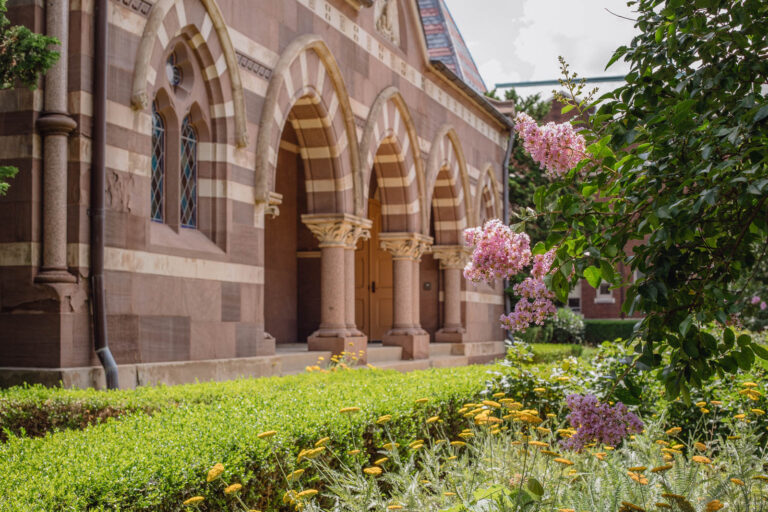
Gallaudet University

Since 1864 · Washington, D.C.

0
COURSE LEVELS
0
CREDIT PATHWAYS
0%
ONLINE

Choose Your Credential

Same six-level American Sign Language curriculum, two transcript options. Whether you’re learning sign language for personal enrichment, professional development, or academic credit, there’s a pathway built for you.

Non-Credit

Course codes: SLA 51 - SLA 56

Pricing

$990

Per course + $75 application fee (one-time)

Key Outcomes
  • Continuing education transcript from Gallaudet
  • Ideal for personal enrichment or professional development
  • All six ASL levels — beginner through advanced
  • No prerequisite degree required
  • Eligible for alternative funding (AmeriCorps, VR, employer reimbursement)

Apply - Non Credit

Six Levels of American Sign Language

Every level builds systematically on the last — from your first signs and ASL handshapes through advanced narrative and cinematic storytelling. Each course includes six live virtual language sessions with Gallaudet instructors.

Placement Screening Required for ASL 2–6

New students who want to start at ASL 2 or higher must complete a brief ASL placement screening to ensure the right level fit. ASL 1 has no prerequisites — beginners start here. Contact us for scheduling details.

Schedule

ASL 1 & 2 are available in 8-week and 15-week sessions. ASL 3–6 run as 8-week sessions only. All sign language courses are delivered online.

August 31 — December 14
15-Week Session

ASL 1 & 2 only

August 31 — October 23
8-Week Session 1
October 26 — December 18
8-Week Session 2

Course Fees

Application fee (one-time, non-refundable): $75
True-Way ASL Digital Textbook (all levels): $60 (purchased on day one)

Online ASL Costs

No hidden fees. Full payment is due before the first day of class. Payment plans are available through Gallaudet Student Finances, and several alternative funding sources apply.

Accepted Payments

Credit Card
Money Order
Personal Check
Purchase Orders
Third-Party Payments

Payment & Funding Notes

Alternative funding may apply: AmeriCorps, Vocational Rehabilitation, Veterans Benefits, and employer reimbursement — documentation required.

Federal financial aid does not cover non-degree (SLA) credits.

Students seeking transferable ASL credit should confirm transfer policies with their home institution.

Payment plans available through Gallaudet Student Finance for qualifying students.

Go Beyond the Classroom

Two supplemental programs to deepen your immersion in American Sign Language and Deaf culture — weekly virtual meetups or an on-campus experience in Washington, D.C.

Virtual Immersion, Best Experience

ASL VIBE

Practice ASL through live, low-stakes virtual sessions

Format: Weekly live Zoom sessions (1 hour each)

Cost: $20 per series · discounted for enrolled ASL Connect students

Activites: ASL games, sign language trivia, guest Deaf signers, peer practice

Why join: Low-stakes, fun supplemental practice alongside your coursework

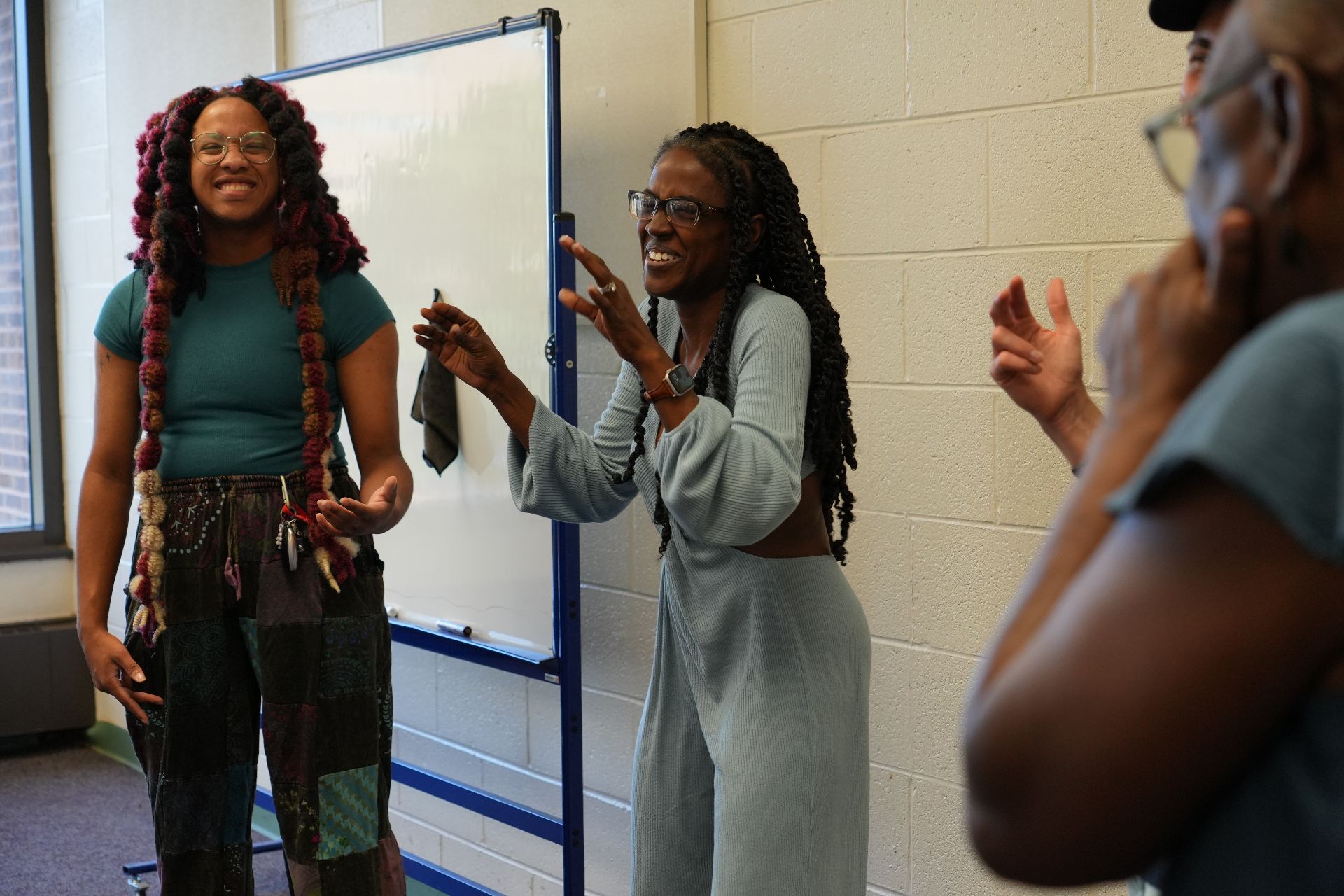
Two women are engaged in a lively conversation in a classroom setting. One woman, with long curly hair and wearing a teal top and patterned pants, smiles as she listens. The other woman, with long straight hair and wearing a light blue outfit, gestures animatedly while speaking. A whiteboard is visible in the background, and a couple of other individuals can be seen partially in the frame, contributing to the dynamic atmosphere.

In-Person Immersion at Gallaudet

ASL DIVE

Experience daily life at the world’s only Deaf-centered university

Format: On-campus sign language courses + full Deaf cultural immersion

Location: Gallaudet University campus, Washington, D.C.

Duration: 1-week or 2-week summer intensive sessions

When: Offered each summer

Why attend: Experience daily life at the world's only Deaf-centered university

Charge Ahead Dual Enrollment

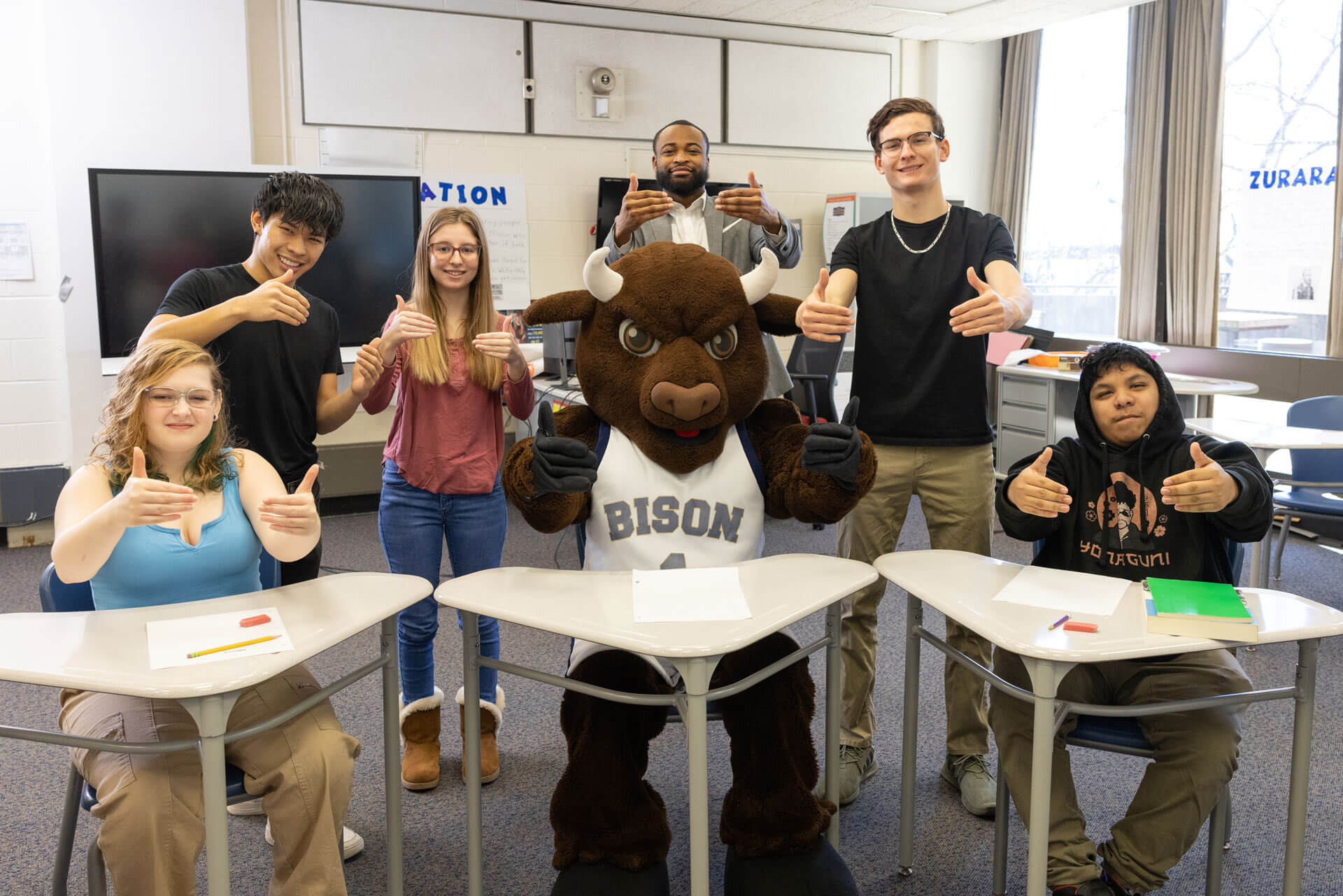
A group of six students and a bison mascot pose together in a classroom setting, all giving thumbs up. The students are seated at desks, with a television screen in the background displaying the word "INFORMATION." The bison mascot, wearing a jersey with the word "BISON," stands at the center of the group.

For high school students & partner schools

The Charge Ahead Dual Enrollment (CADE) program allows high school students to earn Gallaudet University credit for American Sign Language courses at a significant discount — a head start on college credit while still in high school.

Eligibility: Your high school must be an approved Gallaudet CADE partner institution.

Discount: Significant tuition reduction versus standard university credit pricing.

Credit: Transferable Gallaudet University credit — same courses, same Deaf faculty.

A group of six students and a bison mascot pose together in a classroom setting, all giving thumbs up. The students are seated at desks, with a television screen in the background displaying the word "INFORMATION." The bison mascot, wearing a jersey with the word "BISON," stands at the center of the group.

University Partners

Gallaudet’s consortium model lets partner universities enroll their students in online ASL and sign language courses directly through ASL Connect — with bulk pricing advantages. Payment is handled institution-to-institution.

Consortium Partnership Model for colleges, universities, and organizations

Who it’s for: Colleges, universities, and organizations seeking to offer ASL as part of their curriculum.

Pricing: Bulk discounts available for partners who deliver students at volume.

Delivery: All courses taught online by Gallaudet Deaf faculty — no hosting required on your end.

Meet the Team

Every course is taught or supported by Gallaudet University faculty — Deaf educators who bring lived experience in American Sign Language and Deaf culture to every session.

Meet the Team

Director

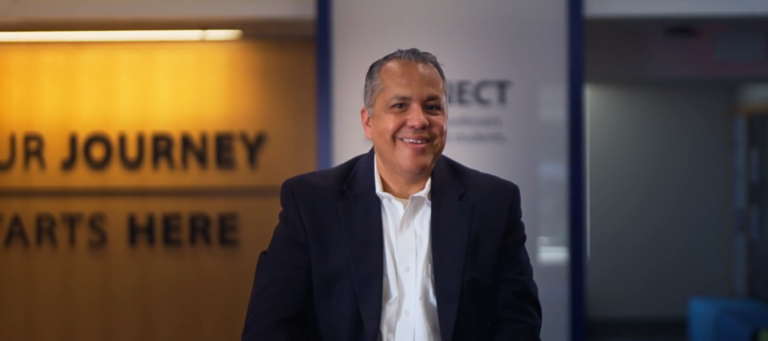
Russell Stein

Gallaudet Opportunities for Advancement and Learning (GOAL) Director

Staff

Shannon Engelhart

Instructor

Glenna Cooper

Instructor (Adjunct)

Justin Malone

Instructor

Nishani McCluskey

Instructor

Elaine Sweeney

Teaching Assistant

Maurice Abenchuchan

Teaching Assistant (Adjunct)

Susanne McLaughlin

Teaching Assistant

Taurean Burt

Teaching Assistant (Adjunct)

Domencia Casertano

Instructor (Adjunct)

Dean Papalia

Instructor (Adjunct)

Niesha Washington-Shepard

Instructor (Adjunct)

Frequently Asked Questions (FAQs)

FAQs

Common Questions

ASL stands for American Sign Language. This is the most commonly used sign language among the Deaf community in the United States as well as parts of Canada. Because sign languages are not invented languages, nor are they the signed counterparts of the spoken languages of their region, the grammatical structure of sign languages is clearly distinct from spoken languages. While spoken languages are made up of a combination of sounds (phonemes), sign languages are made of a combination of handshapes, palm orientations, locations, movements, and non-manual markers, such as facial expressions. Students who enroll in our ASL courses online will learn more about the grammatical features of ASL.

Just as there is no universal spoken language, there is also no universal sign language. American Sign Language, for example, is completely distinct from British Sign Language, but bears more resemblance to French Sign Language, based on the history of the emergence of ASL. (More on this is included in our online course, Introduction to Deaf Studies). While there is no universal sign language, deaf individuals have created an International Sign code to facilitate communication in international conferences and cultural gatherings.

With the rise of Deaf Studies in the 1970s, the usage the capitalization of (D)eaf became commonly used in order to distinguish between those who identify as belonging to a cultural and linguistic minority, in contrast to “(d)eaf”, which refers to an audiological condition. Some authors have opted to use the combined “d/Deaf” as a more inclusive term. There is an ongoing dialogue within Deaf Studies about the merits and complexities of using (d)eaf and (D)eaf, while remaining inclusive. Students taking Introduction to Deaf Studies and Deaf Culture classes will engage in further discussion of the complex issues involved.

While there are no exact statistics, research shows that about 1 out of every 300 people in the United States are “functionally deaf.” Though more than half became deaf later in life; fewer than 1 out of every 1,000 people in the United States became deaf before 18 years of age. (National Institute of Health, 2005)

Services and Support

Connect with us, and we will be more than happy to find the best training solution for your organization!

Academia Questions

Students should consult their academic institution for approval of credit transfers to other colleges and universities.

ASL is now the third most taught language in higher education according to the Modern Language Association (2013). Community colleges and four year colleges and universities throughout the nation do accept ASL as foreign language credit. Students are encouraged to check their school’s catalog to see if their university accepts ASL as foreign language credit. The online and onsite courses offered by ASL Connect are frequently transferred to satisfy students’ foreign language requirement.

Opportunities Questions

ASL Connect: Business can help businesses practice inclusion for Deaf clients, employees and collaborators by providing training on how to bridge cultural perspectives, how to procure accessible technologies and qualified ASL interpreters. Currently, our service area is in the Washington, D.C. metropolitan area. We plan to expand beyond this area to support the great need for ASL inclusion among enterprises.

Contact Us

Ready to Learn American Sign Language?

Join thousands of learners who have built real sign language skills through Gallaudet University. Apply today or subscribe for updates on new sessions, program news, and Deaf community events.