

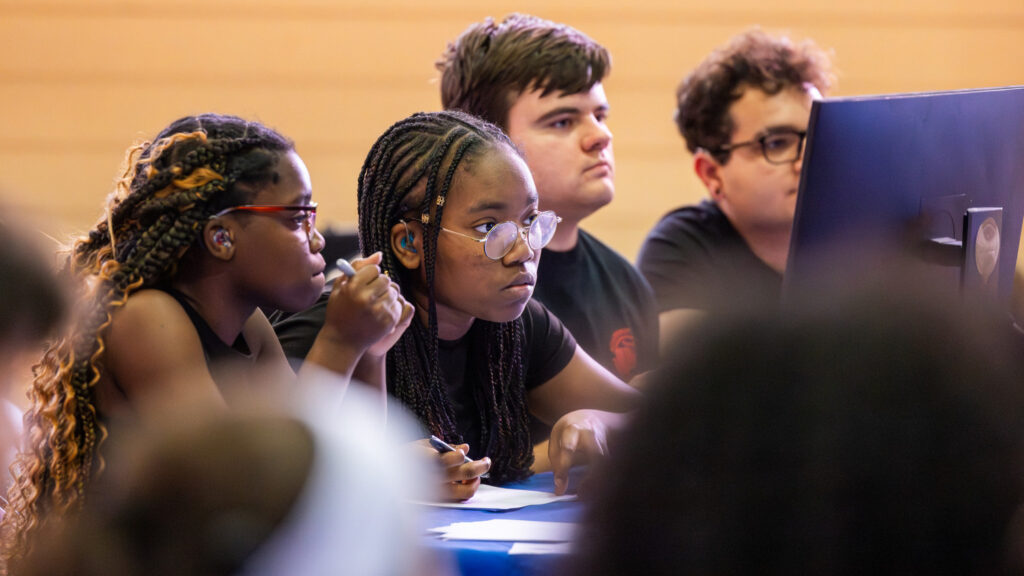
The air is vibrating with anticipation. After weeks of intense competition, only two teams are left out of the 64 that had entered the tournament. Players wait for the match to begin. They close their eyes and take deep breaths, remembering their coach’s instructions.
Fans of every age pack the house for the championship. Late arrivals stand at the back, leaning up on their toes to get a view of the action. As the competitors go back and forth, the crowd hangs on their every move. In the end, only one team will win.
Welcome to Gallaudet’s Academic Bowl.
For 30 years, the Academic Bowl has fostered academic excellence in young deaf and hard of hearing students. Participating players build their reading, processing, and critical thinking skills. And they have lots of fun doing it.
History
The Academic Bowl is the longest-running event hosted by Gallaudet’s Youth Programs. It was conceived in 1996 by Astrid Amann Goodstein, ’65 & G-’67, who had previously helped to establish the National Association of the Deaf’s College Bowl. She knew that deaf and hard of hearing high school students were starving for the same kind of academic challenge.
After a regional pilot in 1996, the tournament expanded in 1997. California School for the Deaf, Riverside (CSD-R) won the first national competition that year. Rebecca Rydstrom, ’02, Gallaudet’s Director of Alumni Engagement, was part of the winning team.
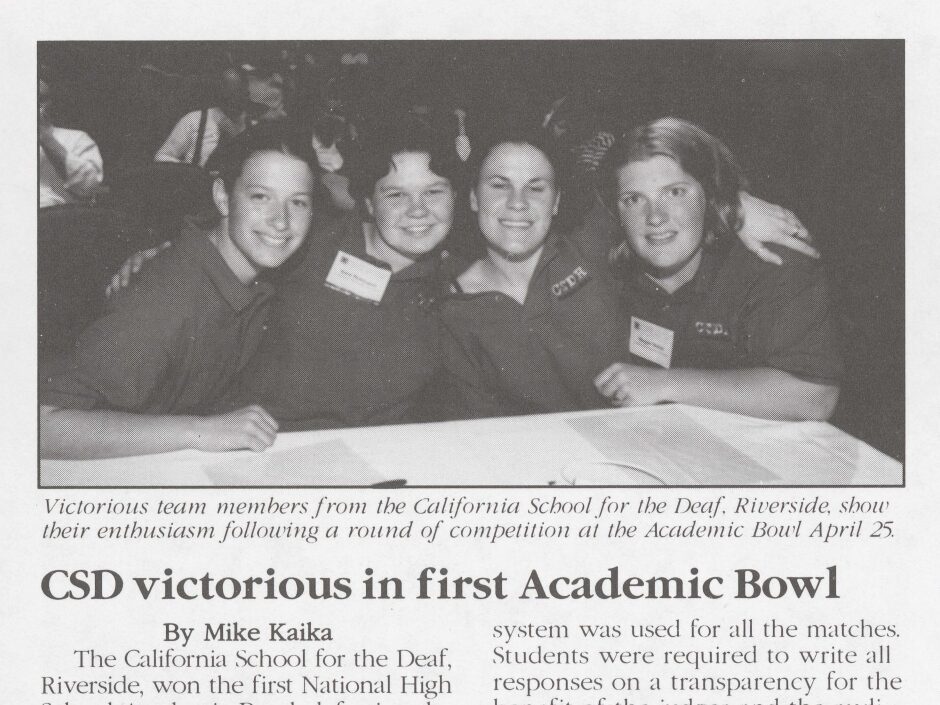
“I’ve been amazed to see how this program has grown over the past 30 years,” Rydstrom says. “It has created meaningful connections to Gallaudet for so many students, and many of them have gone on to become part of our alumni family. I’m very proud to be part of that history.”
Edgar “Bernie” Palmer, ’78 & G-’03, coordinated the initial competitions. During his time, the number of participating teams exploded from 12 to 60. Today, Gallaudet’s Academic Bowl hosts up to 64 teams competing in four regions around the United States. The top four teams in each region come to Gallaudet for the national championship.
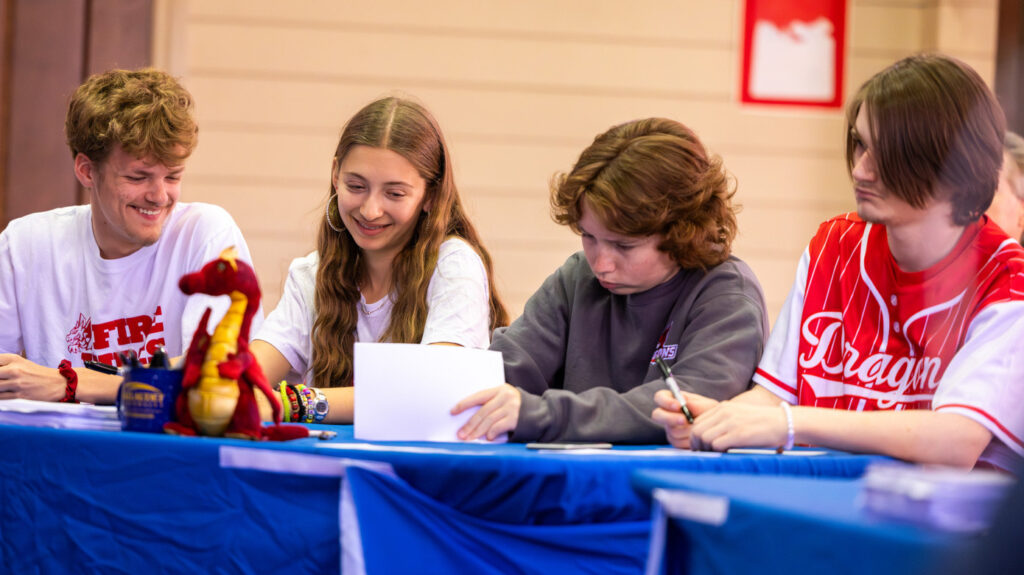
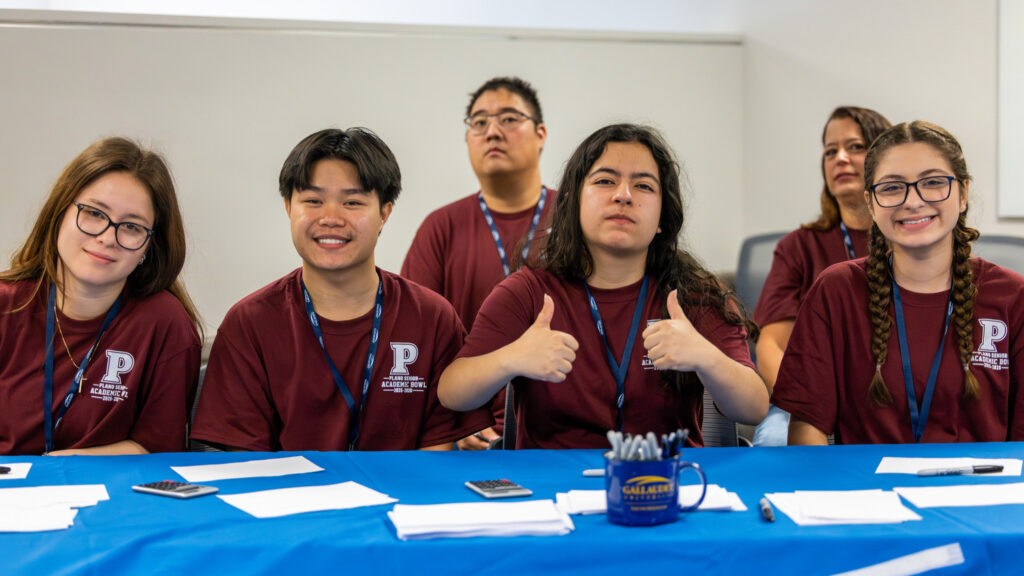
Over 250 high school students compete in Academic Bowl every year. During matches, each team has four players working together to answer the questions. Each question is drawn from seven categories: Arts and Entertainment; Current Events; Language and Literature; Mathematics; Popular Culture, Leisure, and Sports; Science and Technology; and Social Studies.
Succeeding in the Academic Bowl is about more than just memorizing a list of facts. Players have to be prepared for anything. Social Studies questions might ask about events from thousands of years ago, while Current Events questions cover the minutiae of modern international relations. Look around the room during a math question, and you’ll see the adults in the crowd shrugging their shoulders.
In order to prepare for Academic Bowl, teams work with coaches who lead practice sessions and provide vital mentorship. Many of the coaches are just as dedicated as the players. Some have been involved with the program for over 20 years. The players also study on their own at home, knowing that a single question can be the difference between victory and defeat.
For many deaf and hard of hearing students, Academic Bowl is a gateway to future academic and career success. Most of the students who join a team become lifelong supporters. The current Academic Bowl lead, Casey Johnson-Pasqua, ’18, is no different.
The perfect fit
Johnson-Pasqua competed in Academic Bowl during all four years of high school. She started as a freshman at Edmonds-Woodway High School near Seattle, Washington. Hall of Fame coach Lori Seago announced open tryouts for the school’s team. Johnson-Pasqua didn’t know what the Academic Bowl was, but the prospect of a free trip to Washington, D.C. piqued her interest.
“As we started to practice, I came to enjoy it,” Johnson-Pasqua says. “I liked learning new things. It wasn’t a stressful kind of practice. It was like a community. My teammates helped fill in the gaps in my knowledge. My brother helped me study math.”
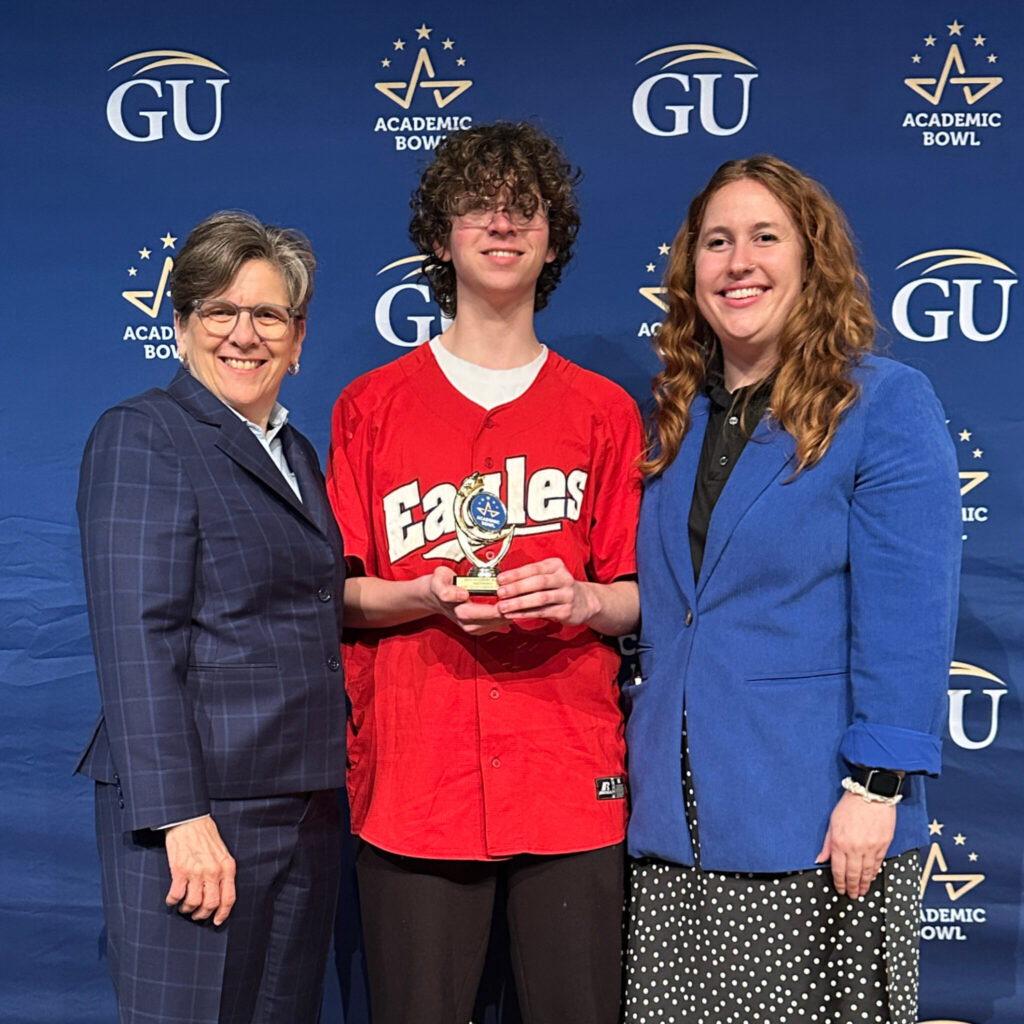
In 2011, Johnson-Pasqua’s first year, there was no regional tournament. Instead, dozens of teams from around the country descended on the Gallaudet campus for a single, frenzied competition.
“It was overwhelming,” she remembers. “Before Academic Bowl, I didn’t realize there were so many deaf people out there like me. It was such a rich experience. When I got back from D.C., I wanted to do it all over again.”
Johnson-Pasqua’s four years as an Academic Bowl competitor helped convince her to attend Gallaudet and study Theatre. As a Gallaudet student, she continued to stay involved with the program, serving as a student ambassador and student assistant.
After Johnson-Pasqua graduated, she asked the Youth Programs team if they had any openings. She worked as a contractor for a year, building experience. When a full-time position opened, she got the job. One year after graduating from Gallaudet, Johnson-Pasqua was the Academic Bowl lead.
“I asked a lot of questions those first few years,” Johnson-Pasqua says with a laugh. “I’m more comfortable and confident now.”
“Casey is the perfect person to lead the program,” says Youth Programs Manager Chanel Bonheyo, ’13. “She relates to the players and coaches. Her passion is amazing. Her heart is in the Academic Bowl. She always gives 110% because she loves it.”
The Academic Bowl community
As the Academic Bowl lead, Johnson-Pasqua is responsible for overseeing almost every detail of the program. It’s a massive undertaking. Before each national tournament ends, she has already announced the host schools for the following year’s regional competitions.
Schools in each region rotate hosting duties every year. Johnson-Pasqua works with those schools directly to coordinate the logistics. When the regional tournaments kick off, she flies to each campus to manage the events on site.
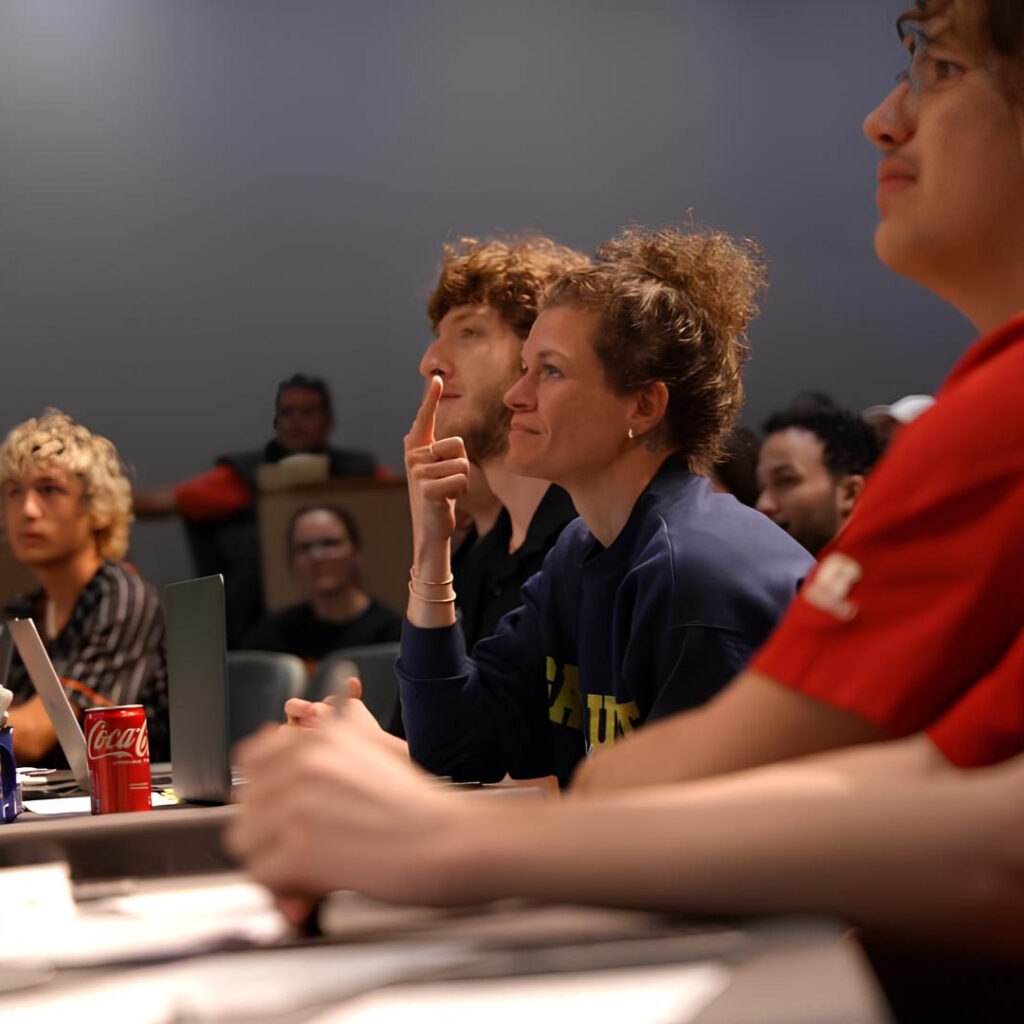
The 16 teams who qualify for the Academic Bowl nationals receive an all-expenses paid trip to Gallaudet. Johnson-Pasqua tracks each team’s travel and itinerary. She also coordinates with the village of volunteers that make Academic Bowl possible.
“I live and breathe spreadsheets,” Johnson-Pasqua says.
Fortunately, she doesn’t have to go far to find her most dedicated volunteers. Many former Academic Bowl competitors are Gallaudet students, faculty, or staff members. And they stay committed to the program, knowing how important it was for them. Enrollment Marketing Director Pia Marie Paulone, ’07, who oversees the Youth Programs department, was an Academic Bowl champion in 2003.
“As a kid, I loved learning new information and fun facts,” Paulone says. I watched Jeopardy every night at home. The Academic Bowl was a perfect fit. Deaf kids are sometimes minimized because of their language skills or lack of access to formal education. The Academic Bowl gives them an opportunity to show that they’re fully capable.”
Current events
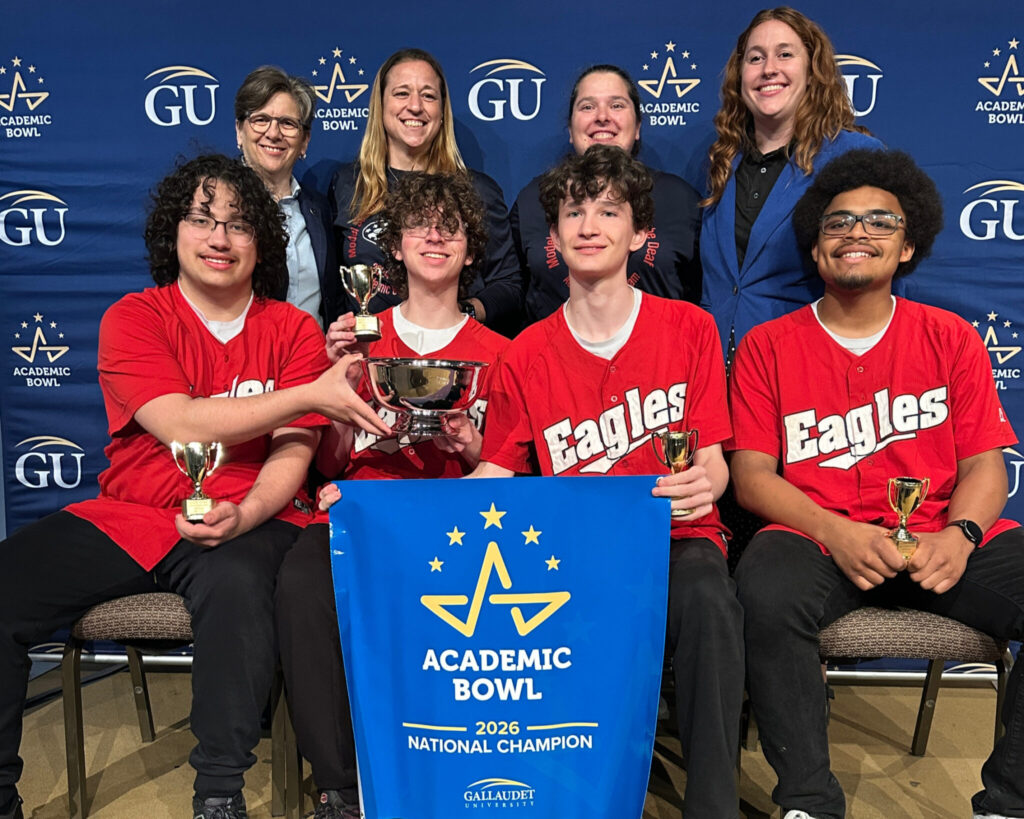
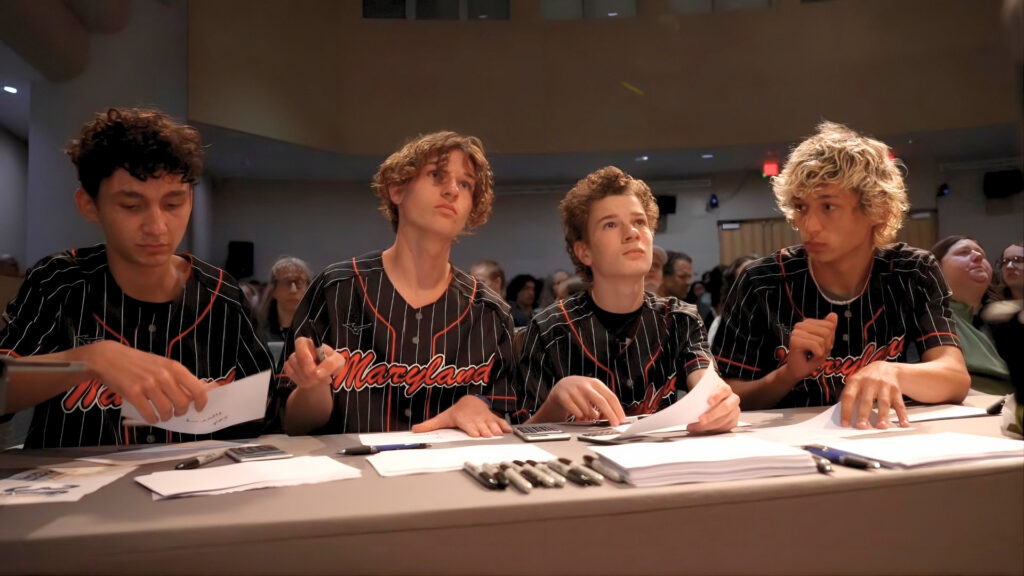
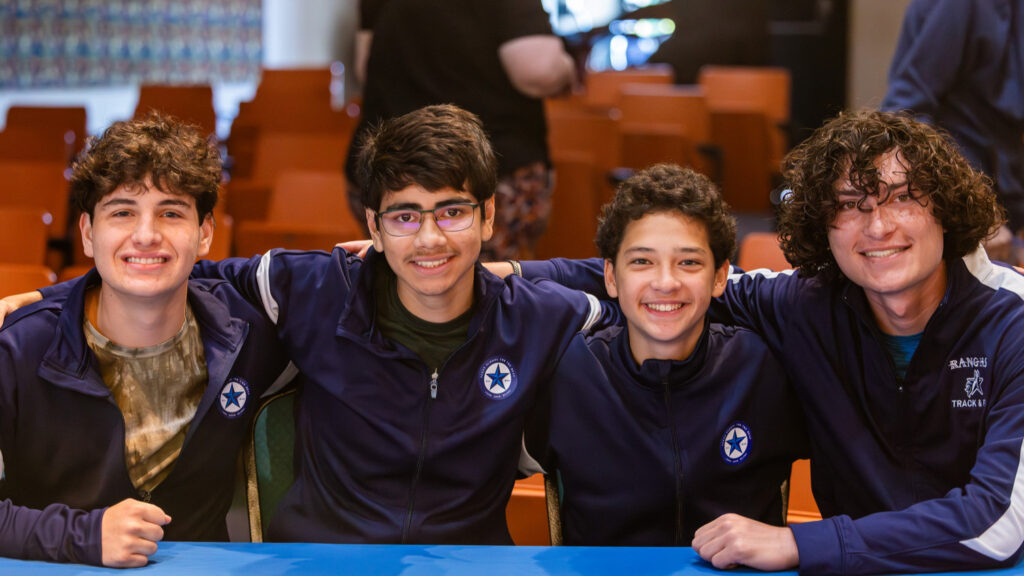
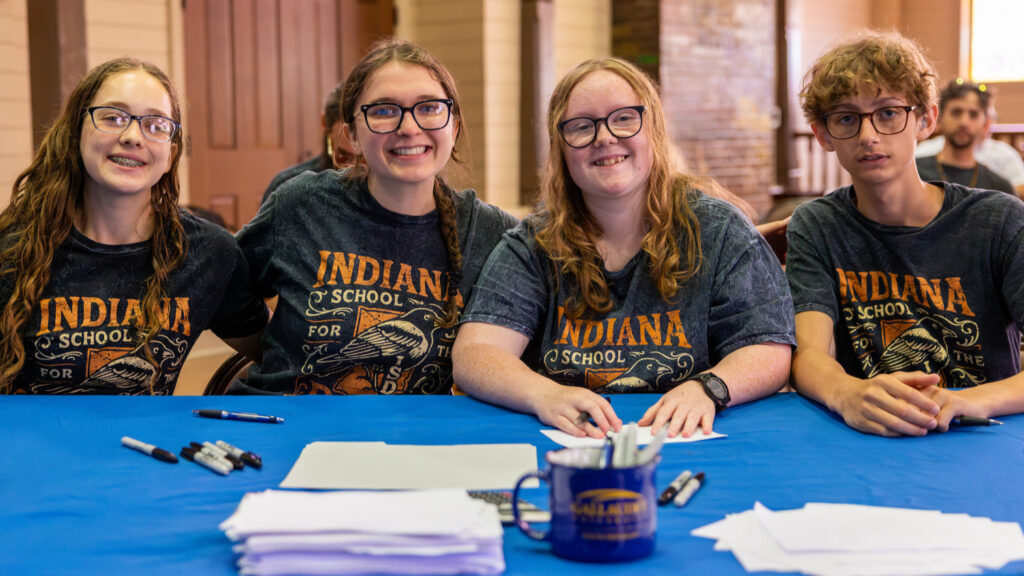
The field for this year’s national quarterfinals included all four of the winningest teams in the history of the event: Model Secondary School for the Deaf (MSSD); Maryland School for the Deaf (MSD); Indiana School for the Deaf (ISD); and California School for the Deaf, Fremont (CSD-F). Each school had previously captured five national championships. If any of them won again, they would stand alone as the most accomplished school in Academic Bowl history.
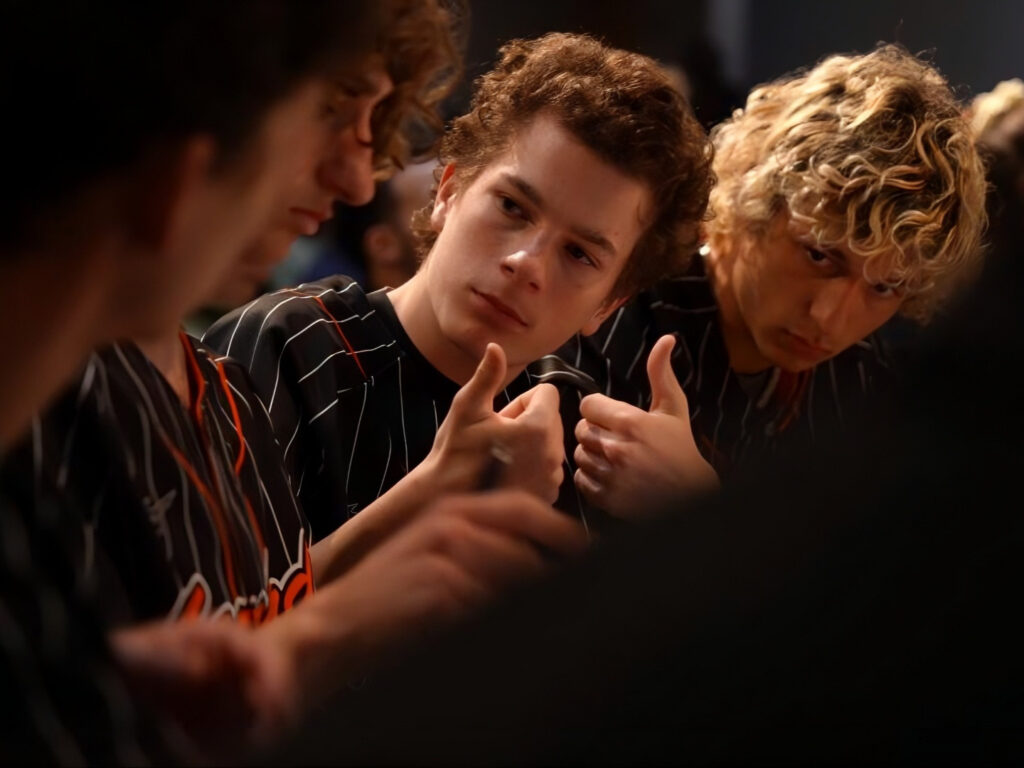
MSSD and MSD advanced to the championship round. Leading up to the match, they had a collective record of 17-1 during the national tournament. The only loss happened when they played each other. In that match, MSD beat MSSD.
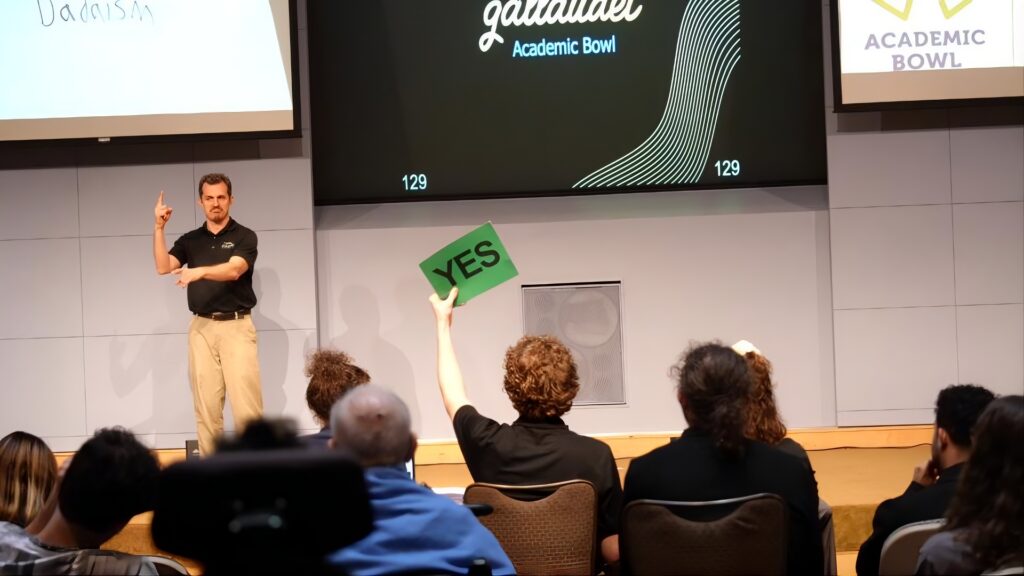
With MSSD located on the Gallaudet campus, and MSD within driving distance, the championship felt like a hometown rivalry. The room buzzed with energy as families, supporters, and Academic Bowl fans filled the seats. As questions flashed on the screen, audience members used sign language to debate the answers amongst themselves.
Somewhere off to the side, Johnson-Pasqua looked surprisingly relaxed. She had done her job well. The only thing left to do was watch.
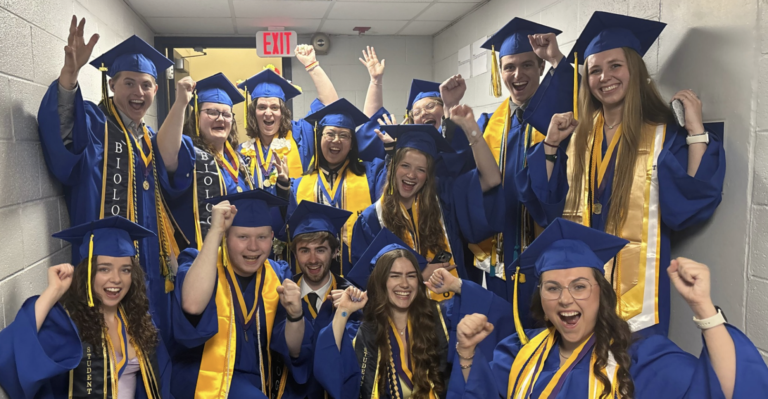
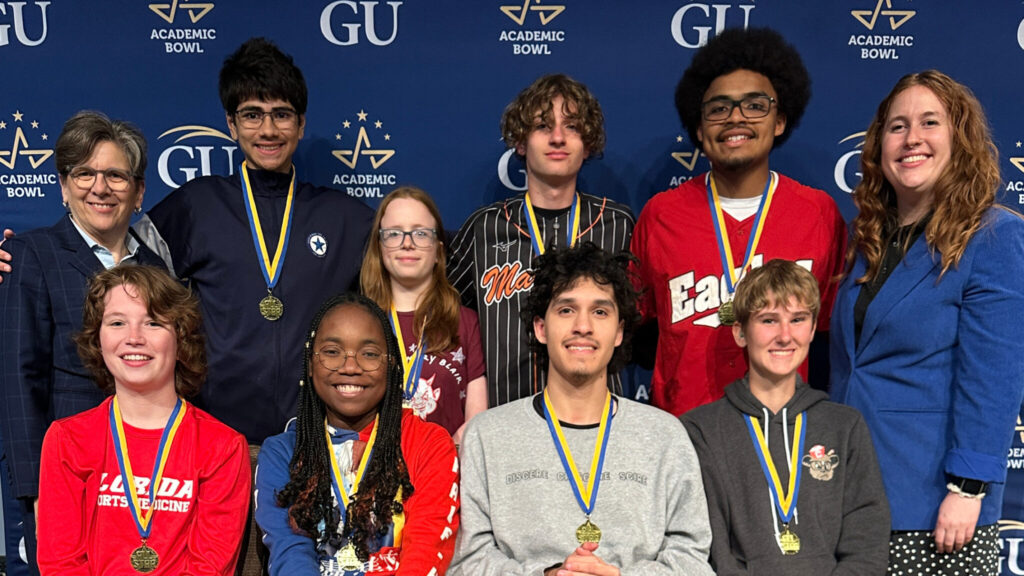
MSSD took an early lead in the first round. While MSD fought valiantly to stay in the game, they couldn’t catch up. As the final round closed, the MSSD players and coaches embraced. Their fans, including many MSSD students, jumped from their seats and cheered. The winning players beamed as they realized they would each receive $3,000 in scholarship funding and a new iPad.
Even better was knowing that countless practices and study sessions had paid off. “I’ve been studying one hour every night for weeks,” one player said. “We worked hard for this,” said another.
When asked if they felt any pressure playing on the Gallaudet campus, an MSSD player responded, “A little bit. But that’s why we studied. Like Sun Tzu says, ‘Every battle is won before it’s ever fought.’”
Here to stay
Academic Bowl players are proof that deaf and hard of hearing students have all the potential in the world. They just need the opportunity.
Says Bonheyo, “Academic Bowl shows that deaf students can do anything! And the students have fun, too. They meet new people, make friends, and develop their teamwork skills. A lot of the skills built during Academic Bowl carry students through their college years.”
Johnson-Pasqua agrees. “The players practice communication strategies while working with their teammates. It builds confidence in sharing ideas and trusting each other. They get excited about learning inside and outside of the classroom.”
If this year’s fierce competition is any indication, the Academic Bowl is here to stay. And Gallaudet will continue to foster academic excellence in deaf and hard of hearing students everywhere.
“In the hearing world, we’re always being told that we’re not capable,” Johnson-Pasqua says. “There’s a negative view of deaf people. The Academic Bowl shifts that mindset. It shows that deaf kids are brilliant.”
Visit the Academic Bowl webpage to learn more about the annual competition. To see more events for young deaf and hard of hearing children, check out the Youth Programs website.