
Spatial cognitive functions in deaf/Deaf older adults with and without vestibular impairment
Overview
PI: Chizuko Tamaki Co-PI: Kristen Maul
This project was supported by Gallaudet University’s Priority Research Fund.
Evidence on the effects of vestibular dysfunction on cognitive functions, including in the area of spatial memory and navigation have been reported in the recent literature. With the premise that:
(1) There is an increased risk of vestibular dysfunction in people who are deaf;
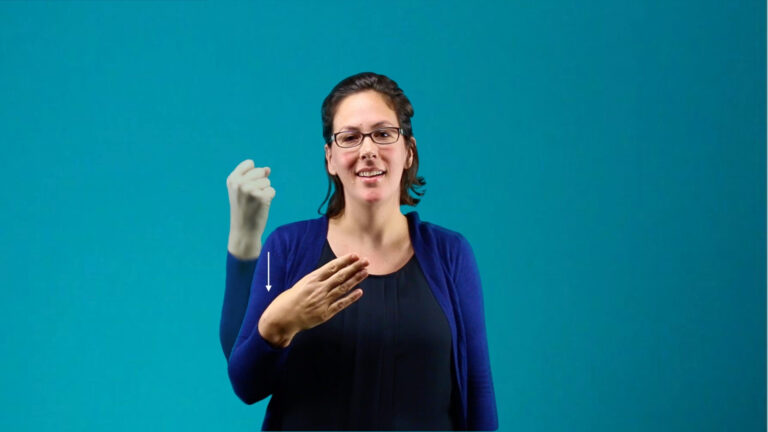
(2) Many deaf individuals utilize an established sign language (e.g., American Sign Language, or ASL), which is visual-spatial in nature;
(3) Use of such language appears to have a positive influence on some aspects of spatial cognitive development; and
(4) Aging often amplifies the effects of cognitive deficiencies
This long-term work aims to understand the role of visual-spatial language (i.e., ASL) use in the development and more importantly retention of spatial cognitive functions in older adults who suffer vestibular dysfunction.
Contact
- Spatial cognitive functions in deaf/Deaf older adults with and without vestibular impairment
- SLCC | 2200/3122K
- balancelab@gallaudet.edu
- research.balance@gallaudet.edu
- (202) 651-5000
- 202-250-2405