

A patient is presented with a series of documents in dense English text. A rushed doctor may or may not explain how a preventive screening will benefit her health. Finance and insurance details aren’t quite adding up. Feelings of frustration and anxiety cause the patient to be less engaged in their appointment, and she could choose not to repeat the experience with a follow-up screening.
This is a realistic scenario when patients and healthcare employees use the same language and modality. For Deaf, DeafBlind, and hard of hearing (DDBHH) community members using American Sign Language (ASL), additional barriers to healthcare come with this primarily English-speaking territory, with serious health consequences.
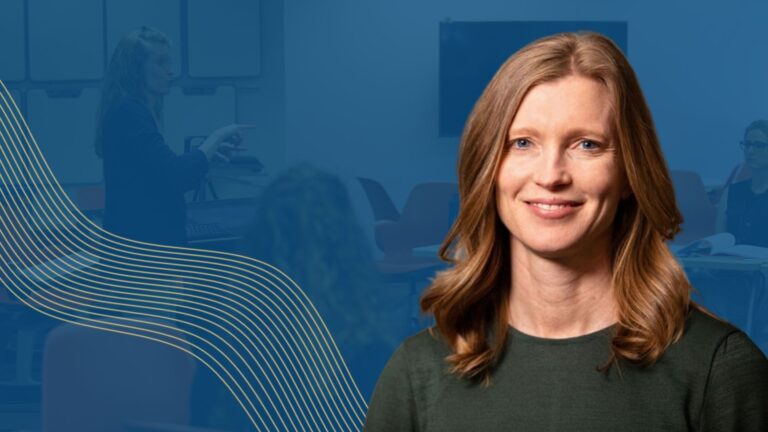
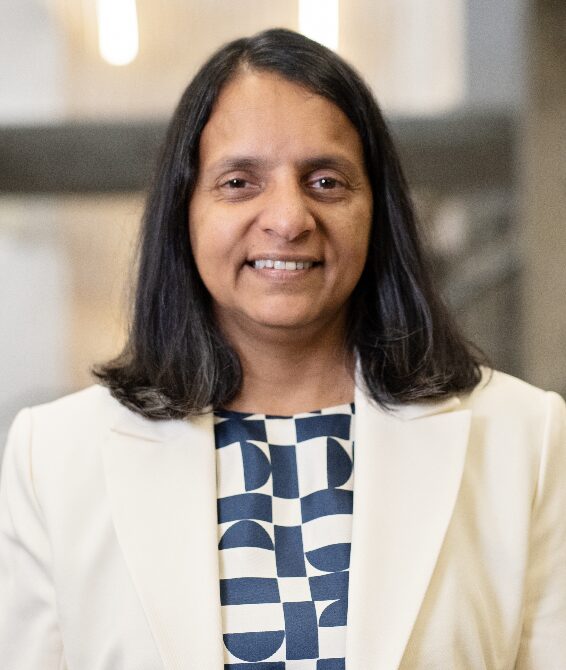
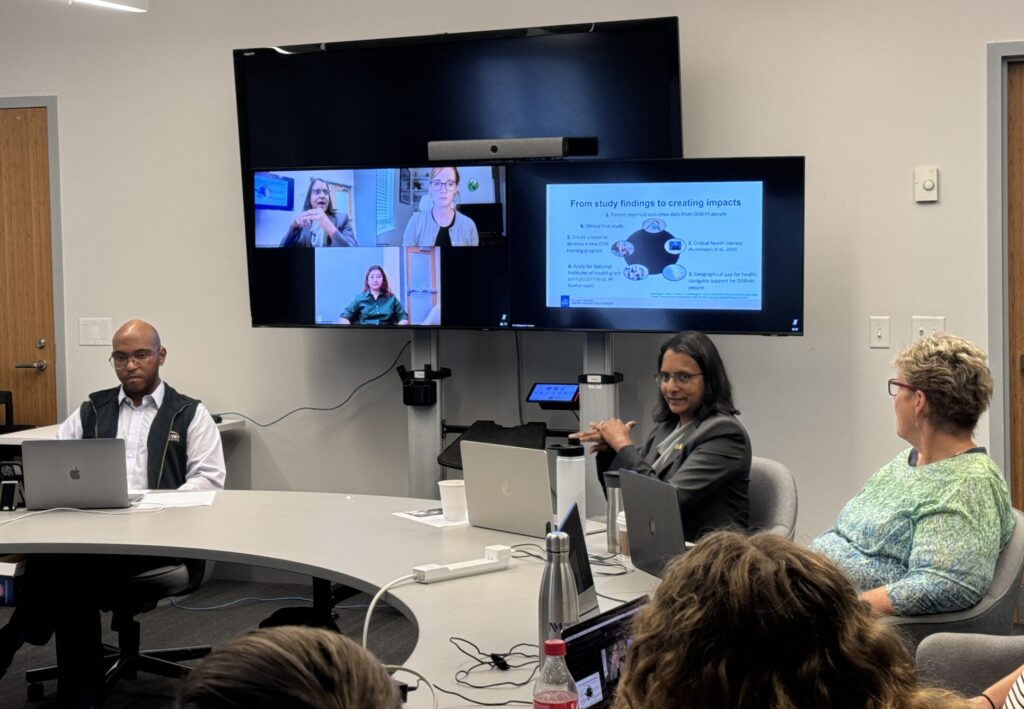
Gallaudet’s Center of Deaf Health Excellence (CDHE) Director and Principal Investigator, Dr. Poorna Kushalnagar, ’93, says, “ASL-using patients are typically assigned an interpreter, but rarely a navigator who is language concordant. For DDBHH patients, that distinction is the difference between provider dialogue being translated and care actually being understood.”
Kushalnagar’s Center is now wrapping up a five-year project to fight cancer by identifying what those barriers are and improving cancer screening, prevention, and access for DDBHH people. It found that for some kinds of cancer screening, such as colorectal and cervical, DDBHH people are screened at a lower rate than those who can hear.
In 2021, Kushalnagar received a U01 cooperative grant from the Office of the Director at the National Institutes of Health (NIH), totaling nearly $4.7 million, through the initial award plus supplemental funding. This is the first U01 award in Gallaudet’s history. Over the course of the study, the CDHE and its collaborators conducted extensive research analyzing barriers to healthcare experienced by specific subgroups of DDBHH people, with publications and presentations in English and ASL.
The CDHE worked closely with community partners, conducted deep national outreach, ran a clinical trial, created ASL-accessible cancer screening information, and is now developing a practical, effective approach to improve health outcomes for DBBHH people.
More than a hand to hold
One of CDHE’s goals was to develop an ASL training program for Community Health Workers (CHW) and Community Health Navigators (CHN). These professionals provide patients with education, outreach, and connection to health services. Educational and experiential requirements vary by state, though most programs align with a set of core competencies and roles put forth by the National Council on CHW Core Consensus Standards.
CHNs are usually assigned to patients navigating a specific health concern. For example, Oncology Patient Navigators guide a patient through complex information about a cancer diagnosis, from the science of what’s happening in the body to treatment options and their effects. Navigators can even help explain insurance and hospital procedures.
This isn’t a new idea, but it has been found to be an effective intervention. For instance, the Baltimore-based HEARS project paired elderly patients with untreated hearing loss with trusted CHWs with similar life experiences. The CDHE wanted to create something similar for people who are DDBHH and use ASL. No information existed on the efficacy of a patient navigation system in ASL, so the CDHE set out to tailor a program and to evaluate its effectiveness.
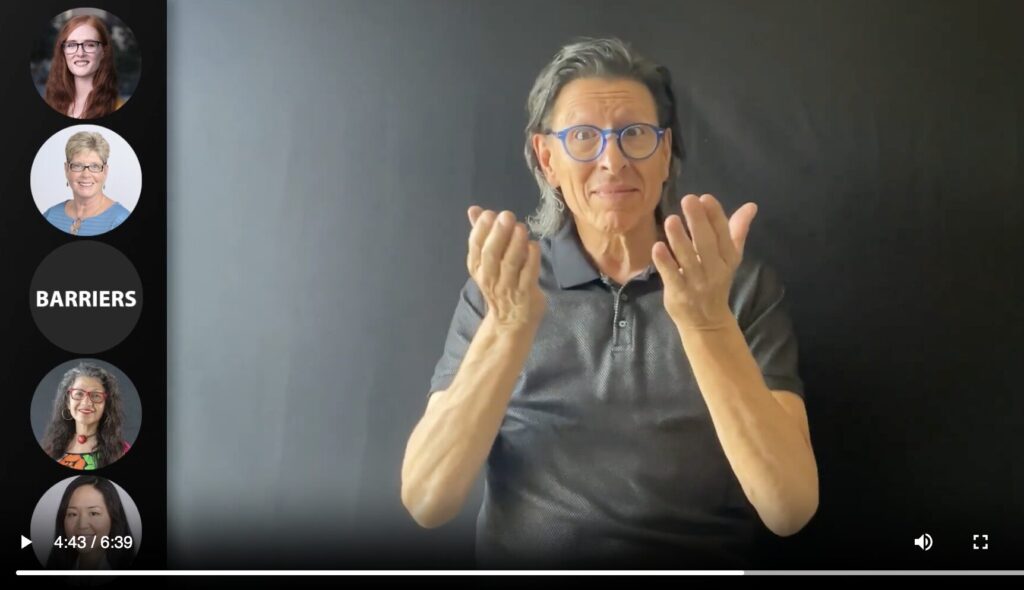
Their first step was to conduct a community-based needs assessment that asked cancer survivors, their caregivers, patient advocates, navigators, and clinicians to identify barriers to cancer screening. They identified several issues, including difficulties with navigating health insurance billing and payment, access to qualified interpreters, and a dearth of cancer-related information in ASL. Impatience or condescending attitudes from healthcare providers discouraged active healthcare decision-making. Other experiences around prior health-related trauma or lack of access to healthcare or transportation came up as more personal barriers.
One cancer survivor the Center interviewed describes what the potential value of a CHN could have been in their case, saying, “They could have given me tips and advice on how to prepare, the predictability, side effects, and many different scenarios. That would relieve all of my questions, and I would become more ‘ready’ to move forward.”
Meeting people where they are
The next phase of the project aligned with a chance encounter. At a conference, Kushalnagar met fellow panelist, Dr. Mandi Pratt-Chapman from the George Washington Cancer Center, and their discussions led to a natural partnership. The CDHE used the GW Cancer Center’s existing oncology patient navigation training program to tailor an ASL version for DBBHH trainees, incorporating new recommendations gathered from the needs assessment.
In 2022 and 2023, Center staff offered this training as community health worker mini-workshops, called “CHW 101” in six cities: Washington, DC; Riverside, CA; Atlanta, GA; New York City, NY; St. Paul, MN; and Boston, MA. Each workshop was limited to 15 ASL-fluent community members.
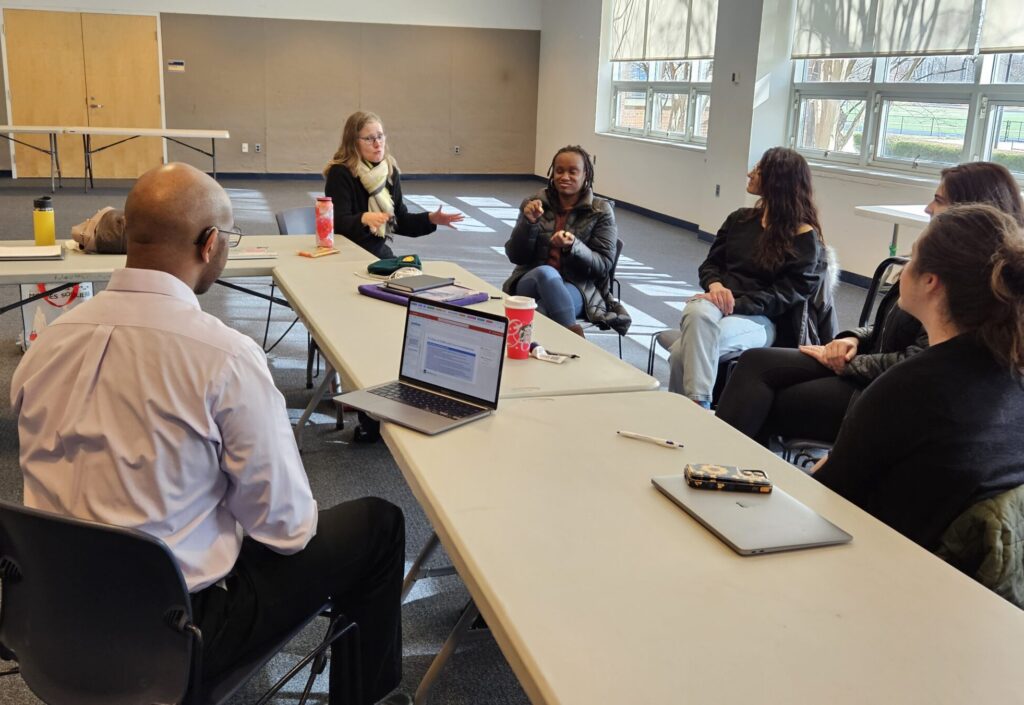
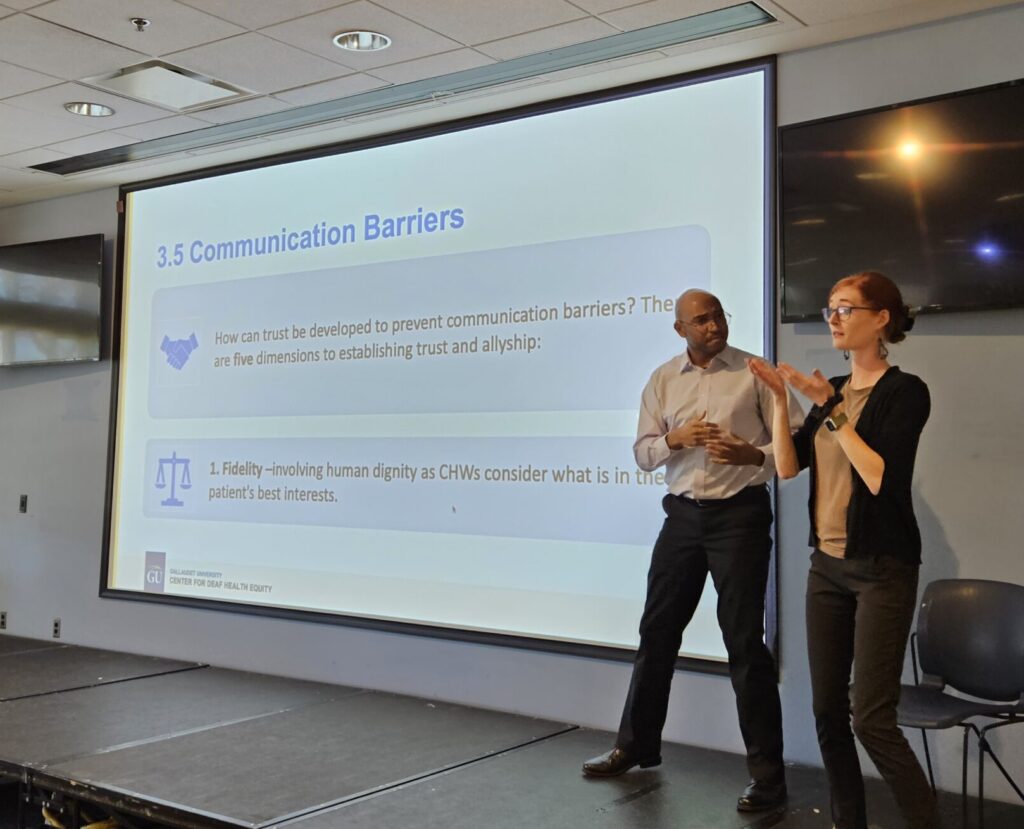
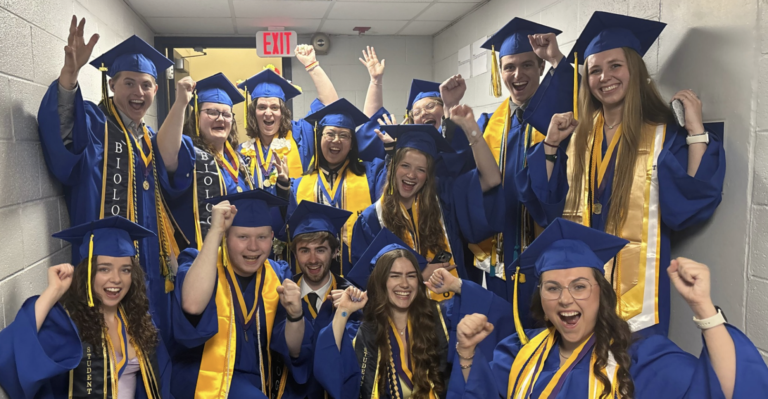
Several workshop participants continued their education by enrolling in an online course in Spring 2023, Foundations of Community Health Workers, taught by CDHE Research Manager Erika Bergeron, ’16 and Predoctoral Research Associate Emmanuel Perrodin-Njoku. Three participants from these went on to become certified CHWs in their state.
One of these students was Kathy Manlapas, who, after 25 years working in deaf education, was ready for a new challenge. “I was also motivated by witnessing how many Deaf, hard of hearing, and DeafBlind individuals go without clear, accessible health information, leaving critical gaps in their understanding and care,” she explains.
Becoming certified as a CHW in Minnesota in May 2024 led her further down this rewarding path. Under the Minnesota Department of Health, she also serves on the Health Equity Advisory and Leadership (HEAL) council, which has made her more aware of health equity needs across the state. Now, she says, “My experiences, and my community members’ experiences are elevated to drive changes in health-related policies.”
A people-powered project
A notable aspect of the CDHE’s work is its grounding in community-based participatory research. “In our work, we always want to include members of the population being affected by our findings,” explains Kushalnagar. In practical terms, partners have helped design, test, and produce ASL translations of interview questions and training materials. They have worked with the CDHE to conduct outreach and recruit participants, and some have been integral partners for the entire five years.
Center staff and partners worked hard to maximize community engagement and recruitment. They racked up mileage traveling to an impressive 23 states across the country to set up behind booths and tables at annual and regional Deaf Expos, festivals, and Deaf clubs across the country. They met hundreds of people face-to-face and, by carefully building relationships with local people and organizations, their efforts were warmly received.
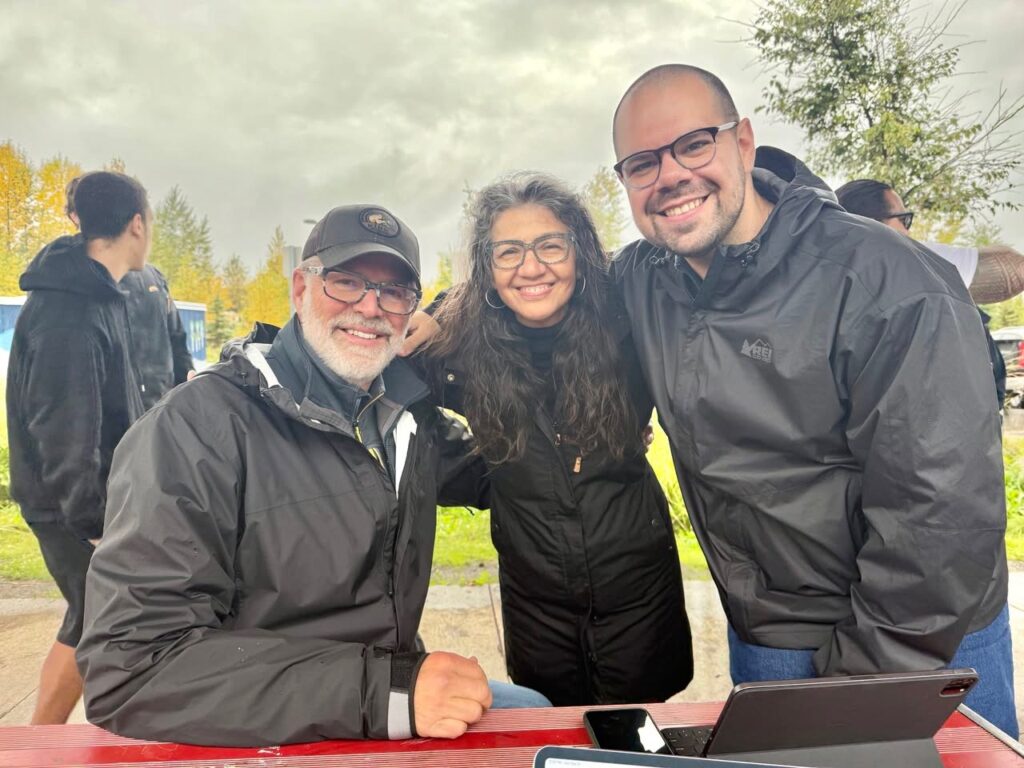
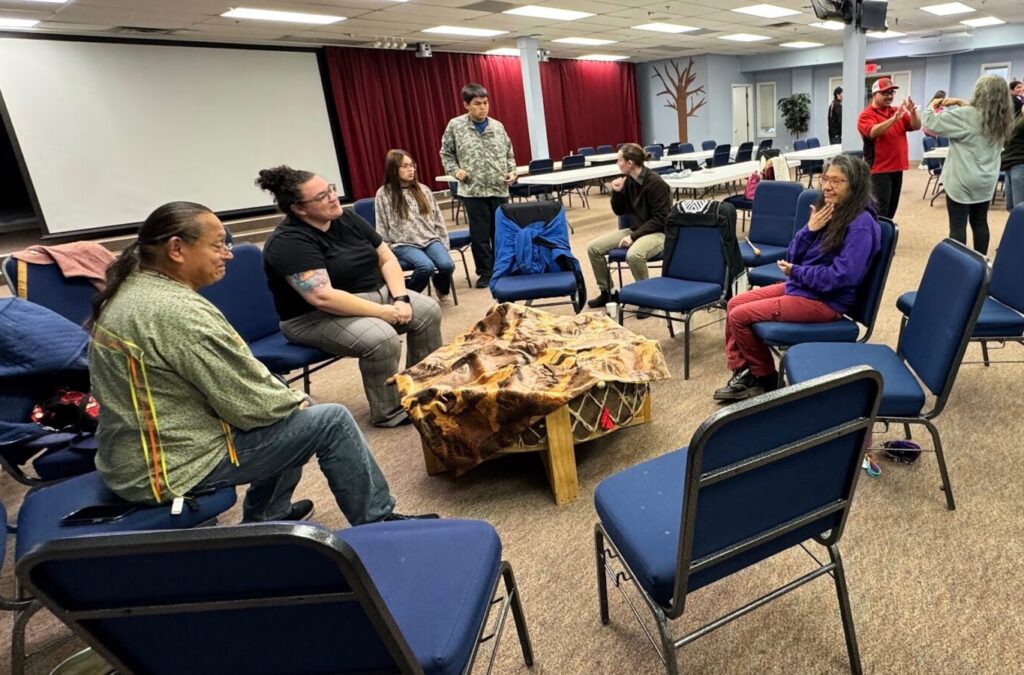
“Last summer in Puerto Rico, we drove to different hubs, conducting our survey in coffee shops, a mall, and a school for the deaf,” says Bergeron. When CDHE Project Manager DT Bruno, ’18, and community partner Leticia Arellano, ’94, traversed the state recruiting people for the clinical trial, a local partner working in a Deaf program in Alaska invited them to stay in their home, “no questions asked. They were thrilled that people from Gallaudet had traveled all the way to Alaska to do this work,” he says.
The team and partners have worked hard to build trust and be thoughtful about effective engagement, especially with groups that are often left out of clinical trials and health research. Peer referral and Gallaudet’s extensive alumni network opened doors for them. Bruno says, “The Gallaudet network was a big part of that work; without it, we would have had a more difficult time with recruitment.”
Putting theory to the test: time for a clinical trial
Now it was time to kick off CDHE’s first randomized clinical trial to answer an important question: Do ASL-trained Community Health Navigators increase cancer screening participation among DDBHH adults?
From its intensive nationwide recruitment efforts during the project’s third and fourth years, the Center successfully enrolled 184 DDBHH adults. Half were assigned to the Center’s new ASL-CHN intervention, while an equal number were assigned to the control group. The CDHE is now analyzing the trial data and will begin disseminating its findings this summer.
What’s next: expanding ASL-centered patient support
Recognizing the efficacy of community health workers and navigators, the Center has started plans to expand ASL-based CHN and CHW certification training nationwide. Bruno was hired at the beginning of 2026 to explore some of these plans, including formally offering a variety of CHN/CHW training programs. He explains, “People may want to become a CHW or have taken on the role of CHN, but there just aren’t ASL-accessible trainings out there.”
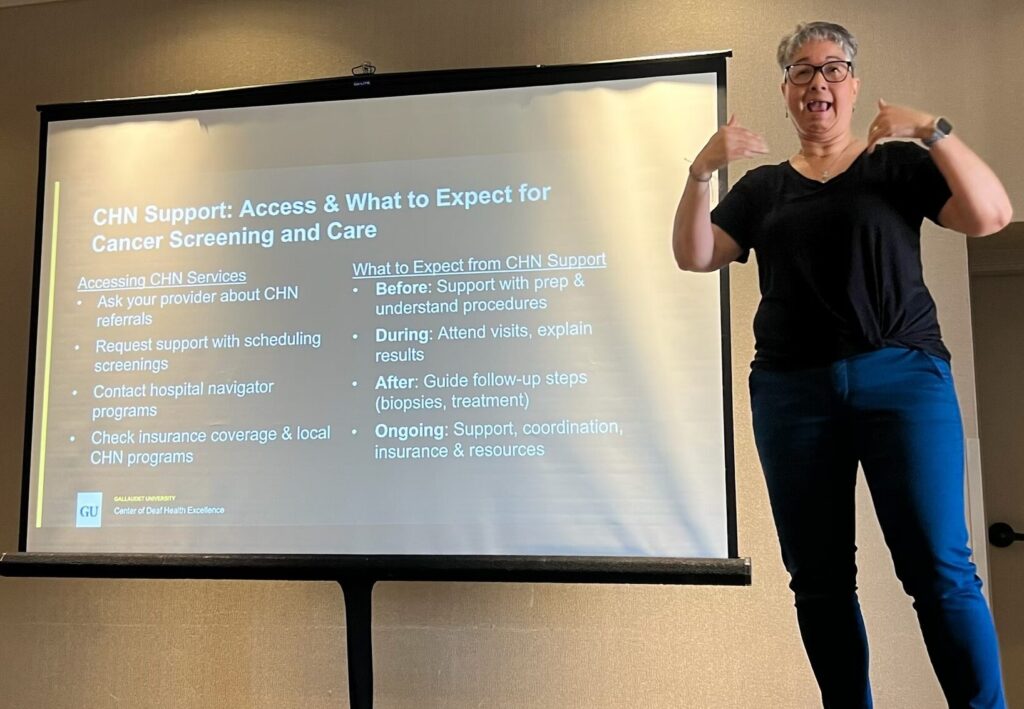
A related area of focus is professional development. Some states require continuing education to maintain an active credential, but again, modules in ASL tailored to DDBHH people are needed. “People are motivated to learn about specific navigation content areas such as dementia, diabetes, heart disease, and the like,” says Bruno. “We bring in subject matter experts to teach those modules, and to design the completion exams,” he says.
The CDHE is also partnering with Gallaudet’s Public Health program to offer a Special Topics course, PHS 595: Foundations for Community Health Workers, in Spring 2027, and may expand its offerings so that becoming a CHW can be another career path for students interested in healthcare.
Fostering future scientists
Not surprisingly, the CDHE’s projects also intentionally create opportunities that strengthen the pipeline of researchers. Several talented students gain valuable experience and financial support by working with the CDHE, including undergrads Hiruni Hewapathiranage-Mayadunne; Nthabeleng MacDonald, ’23; Ciara Luttrell; and Deaf Studies Incubator Fellow Chisom Ofomata.
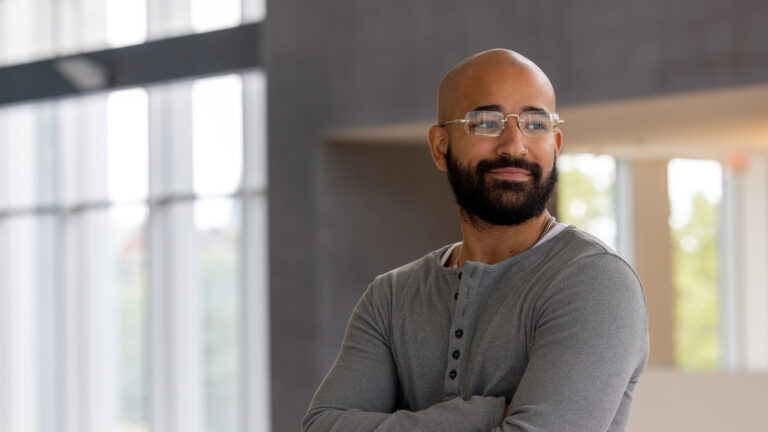
Postgraduate Emmanuel Perrodin-Njoku learned the ropes of being a scientist early on, and at the CDHE, he supported the U01 project from recruiting participants and explaining and obtaining informed consent, to conducting statistical analyses, interpreting findings, and communicating research results with community members.
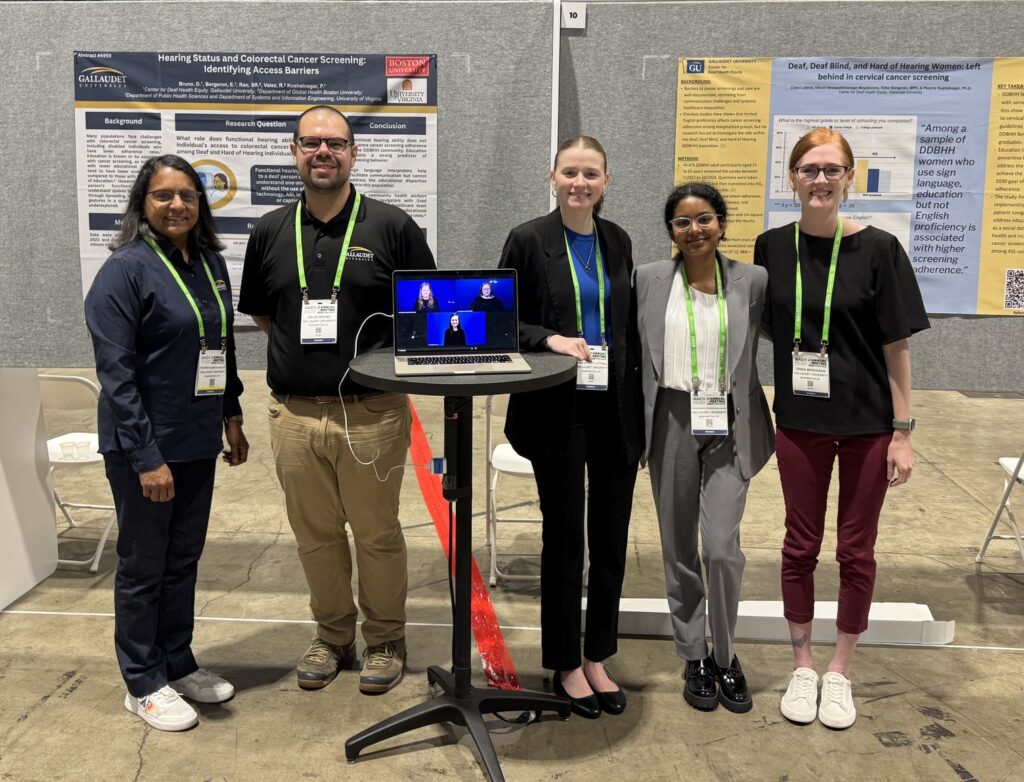
“One of the reasons I wanted to pursue a career in medicine and public health is to help provide tangible evidence to guide research and policy decisions to improve the systems in place for people in marginalized or underserved communities,” says Perrodin-Njoku.
He has. Two particularly meaningful projects he worked on through CDHE are a now oft-cited paper on Black Deaf health outcomes and a manuscript on cancer worry and fatalism within DDBHH communities. As Deaf culture becomes increasingly more mainstream, says Perrodin-Njoku, “Every bit of data that can help guide more informed, linguistically-appropriate, and inclusive care for our DDBHH community is work that is well done.” Now a medical student, he still works as a predoctoral research associate with the CDHE, leading a nested project within the grant.
Under Kushalnagar’s direction and through its dedicated team, the Center is remarkable for several reasons, from its prolific bilingual publication record and the creation and implementation of an ASL navigator training program, to its support of future researchers. All this works together towards a larger goal.
“Five years ago, we did not have evidence that the health navigator model worked for our ASL-using community. Now we do,” says Kushalnagar. “What I’m most proud of isn’t the clinical trial. It is that DDBHH people from our community became health navigators themselves. That’s what sustainability looks like. There’s still a long way to go, but DDBHH people deserve care where they’re fully understood, not just accommodated. That’s what we’re building toward.”
The Center of Deaf Health Excellence webpage offers project updates, health information, and publications on DDBHH communities in both English and ASL.