
Higher Education Institutional Responses to COVID-19
Overview
Across the globe, communities are grappling with the COVID-19 pandemic. The implications of this evolving public health crisis include responses from individuals and public and private institutions.
While individual responses are imperative (i.e., social distancing), organizational level responses (i.e., closing office spaces, allowing remote work, etc.) are fundamental to allowing individuals to respond. In the current COVID-19 crisis, the organizational-level responses from anchor institutions of democracy, such as colleges and universities (Dexter and Blankenberg 2016; Holden and Tryhorn 2013), play an exceptionally pivotal role in supporting or preventing individuals and communities from being responsive.
Research into how these institutions respond is imperative, both for immediate guidance and for developing best practices over the long term. This study seeks to analyze organizational responses through content analysis of institutional emails sent to faculty, staff, and students in higher education settings.
This project will use emails as the primary form of data for analysis. Emails reflect a core artifact of organizational culture as established in public administration literature (Dolamore, 2019; Gooden, 2014; Testa and Sipe, 2013).
Organizational culture encompasses the structural (i.e., space, policies, logos, etc.) and personal (i.e., leadership, socialization, learning) elements of an organization that influence individual behavior through the collective impact of each element (Chao and Moon 2005; Shafritz and Ott 1992). As a result, this project will explore the representations of various organizational culture domains (i.e., discourse, policies, leadership behavior) through the email artifacts’ content.
Meet the Team
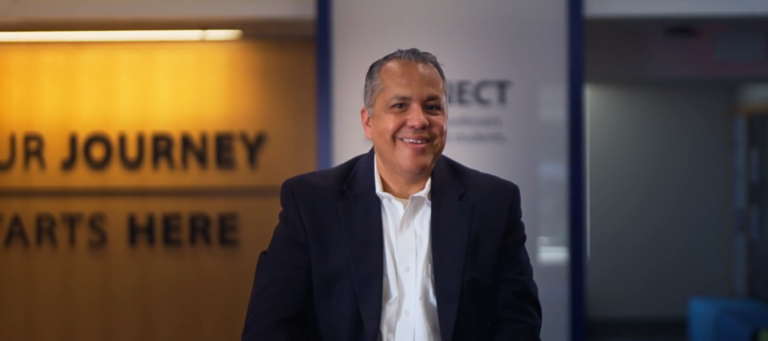
Emilia Chukwuma
School Director
Contact
- Higher Education Institutional Responses to COVID-19
- Edward Miner Gallaudet (EMG) | 210
- hayley.stokar@gallaudet.edu
- 202-651-5312
- 202-250-2375
- Monday9:00 am-5:00 pmTuesday9:00 am-5:00 pmWednesday9:00 am-5:00 pmThursday9:00 am-5:00 pmFriday9:00 am-5:00 pm