After winning gold in women’s monobob last week, Olympian Elana Meyers Taylor won over viewers with how she shared the news with her two deaf sons, ages 3 and 5. She enthusiastically signed “Mommy won” in American Sign Language (ASL), which her family uses at home. During the medal ceremony, her husband Nic Taylor was also seen signing on camera.
Education Professors Dr. Bobbie Jo Kite, ’04 & G-’06, whose research focuses on family language planning, and Dr. Christi Batamula, G-’02, who specializes in early childhood education and family engagement, were delighted to see such a visible representation of ASL during the Olympics. We asked them to weigh in on what families of Deaf and Hard of Hearing (DHH) children can learn from this example.
Why was that moment after the race meaningful?
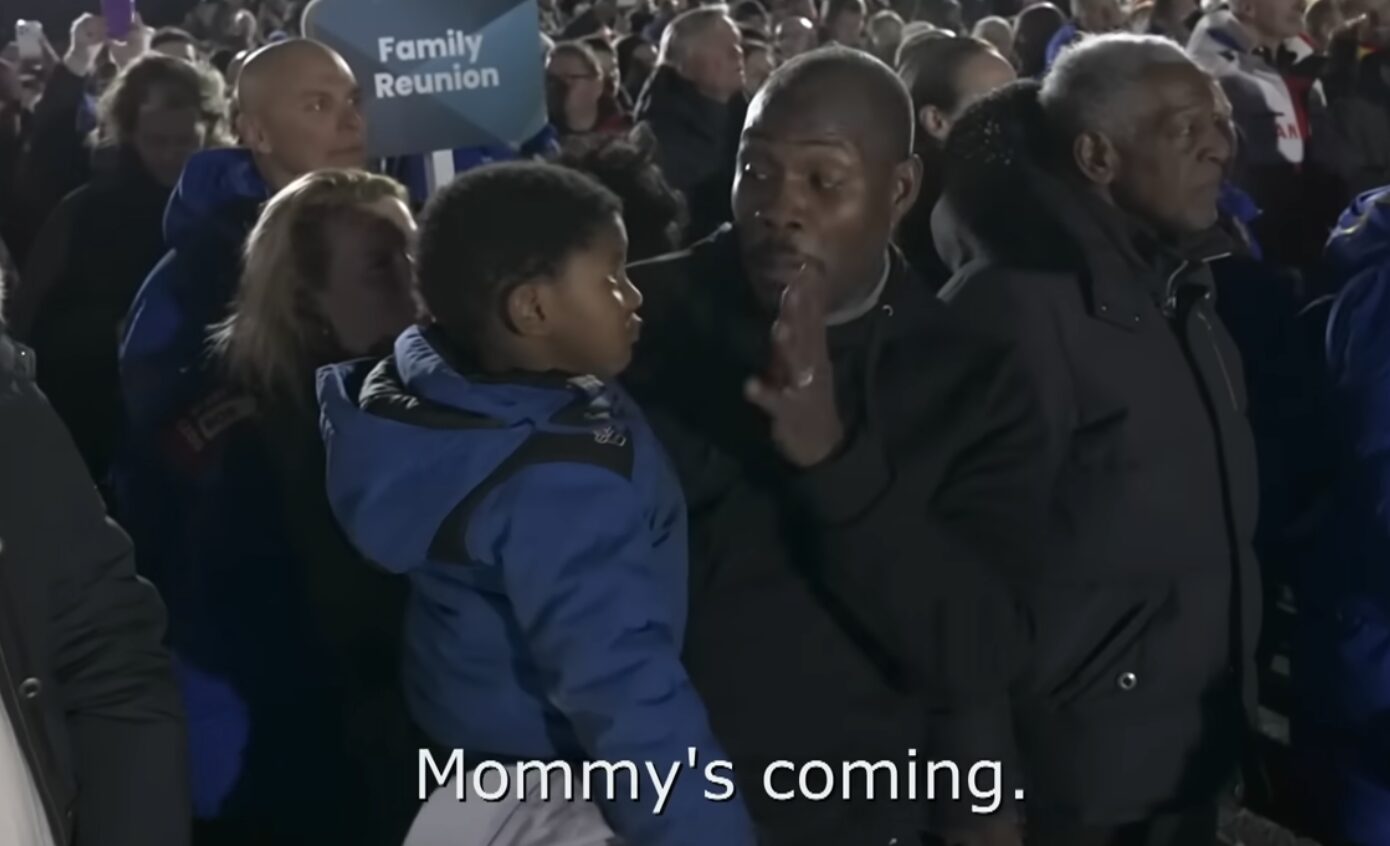
It beautifully illustrated the core of multilingualism in families with deaf and hard-of-hearing children, showing authentic family bonding, love, and shared joy. They are connecting with their DHH children in a moment of great celebration of their mom’s win. The father, in his own excitement, made sure that their child was included, not just in seeing his mama, but in receiving language to connect to what he was seeing.
How important is it that an Olympian is modeling this behavior for parents of deaf kids?
It shows hearing parents that utilizing a multilingual approach (ASL AND spoken English, and possibly other languages) is a powerful, proactive choice. It frames learning ASL as an achievable, beautiful commitment (rather than a burden). It shows how it is just a natural part of their lives.
What do you hope Olympic viewers generally get out of this kind of exposure to a signing family?
This exposure demonstrates that signing families are vibrant and deeply connected — it dismantles the misconception that sign language isolates DHH children, proving instead that it gives them the foundation to engage fully in their world. I think the public needs to see that deaf children thrive when given unrestricted, early access to a natural language.
What resources are available to families who want to learn more?
Connect with REAL to access free ASL related resources as well as ASL classes. Motion Light Lab has great storybooks, as does the Clerc Center’s Bilingual Stories Bookshelf. There are research briefs via the VL2 website. The Beacon Center also has a directory of resources.
What is Gallaudet doing to help parents provide the best support for their children?
The Family Learning Vacation, preparing professionals via the Early Intervention Studies MA program as well as teachers via the MA in Deaf Education, Hearing, Speech, and Language Sciences services, and other related programs, ASL Connect, REAL, and the Clerc Center resources hub.