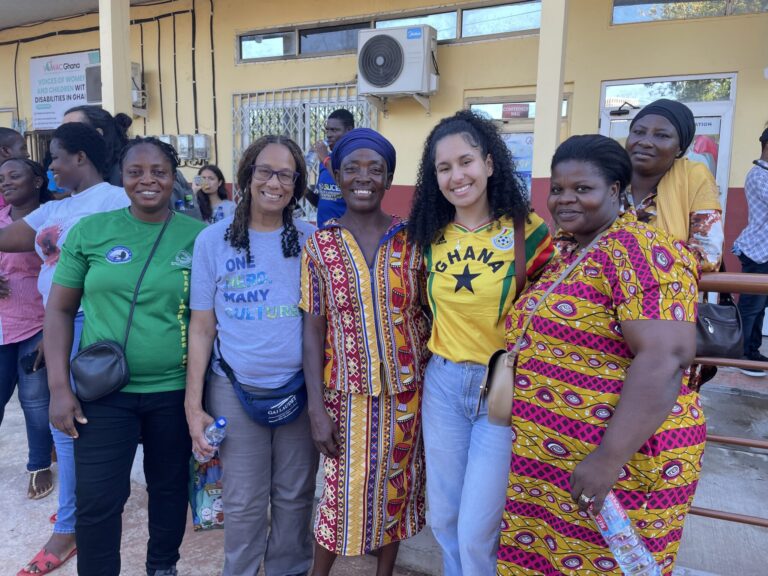


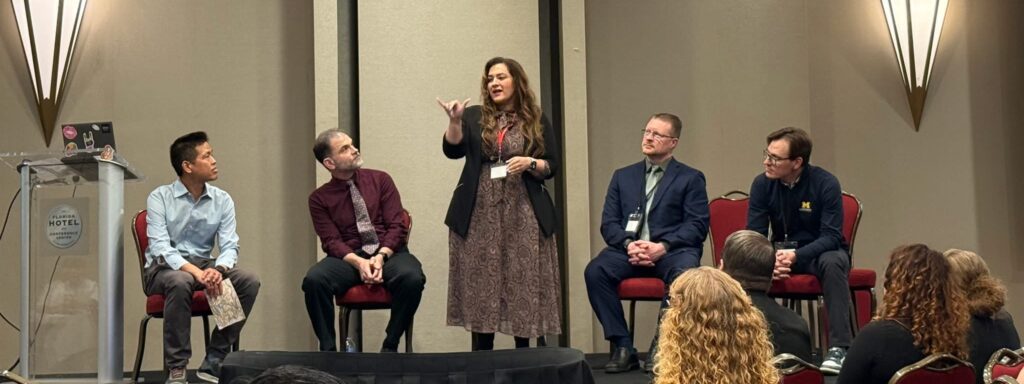
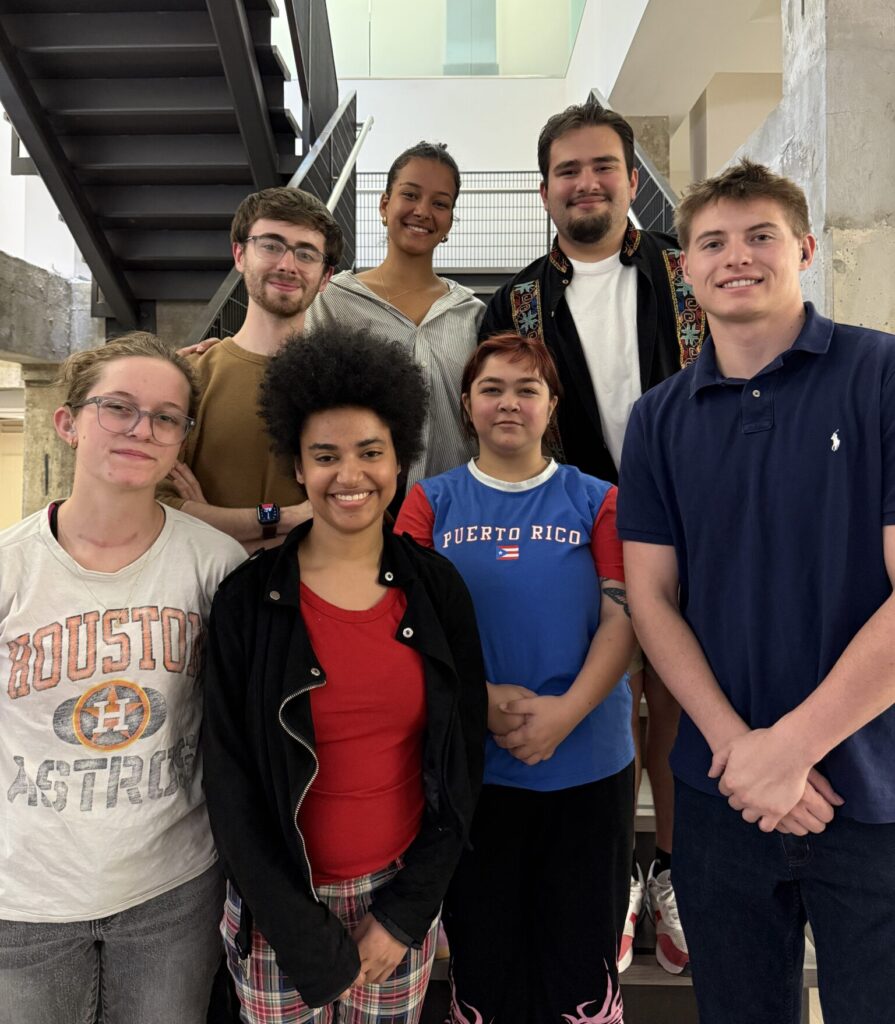
The seven Gallaudet students who attended this year’s Association of Medical Professionals with Hearing Loss (AMPHL) conference participated in a panel discussion on April 28, hosted by STAMP and Biology Professor Dr. Gaurav Arora of S-STEM. The event let other students learn about the conference, which brings together Deaf and hard of hearing professionals in medical fields and public health.
Having recently returned from the conference in Orlando, the student attendees sat down to debrief at the panel with moderator, Biology professor Dr. Alicia Wooten. Wooten, who attended part of the conference, was thrilled to see the increased Gallaudet representation at AMPHL and hopes the trend continues. “For some students, it was their second AMPHL experience, and watching them greet those they met two years ago was inspiring,” she says.
Representation Matters
Gallaudet’s Director of Student Services, Dr. James Huang, is currently the president of the AMPHL. “The number of Deaf individuals in healthcare professions is growing, but still relatively small. As British director Marianne Elliott said in the context of lack of representation, ‘If you can’t see it, you can’t be it.’”
The thought is shared by Senior Carter Johnson, who says, “Some people have never heard of AMPHL, and grow up thinking that there aren’t any Deaf or hard of hearing people in medical fields, but there are!”
“For many young Deaf people who aspire to become healthcare professionals, seeing themselves represented at the AMPHL conference gives a sense of value and belonging,” Huang says.
With its theme of “Back to Basics: Shoring up our Foundation,” this year’s conference focused on its purpose: to help healthcare professionals and students with hearing loss network, mentor, and support one another. “The journey is filled with figuring out accommodations, advocating for oneself, and perseverance, and these lessons are shared with students,” says Huang.
Conference topics included navigating healthcare education and access strategies for Deaf students. Primary care providers, mental health practitioners, and nurses featured in provider panels, and there were technical sessions about stethoscopes designed for Deaf users, navigating code blue situations, and writing research grants. Bigger-picture panels included discussions on the past, present, and future of AMPHL and Deaf-led healthcare more broadly, as well as a “Pioneers in Medicine” panel featuring trailblazers who opened doors for others.
Huang acknowledges that ableism is prevalent in medicine, but also encourages students to be aware of how Deaf Gain is evident in the medical profession. “One of the panelists commented that we should really flip the narrative on Deaf people going into healthcare. Health professional schools and employers should really be talking about the value of having a Deaf healthcare team member,” he says. Examples include hearing peers who benefit from accommodations and technologies used by Deaf healthcare students and professionals. Similarly, many panelists mentioned that patients have given positive feedback on the communication skills of Deaf healthcare professionals.
Crawford said that Deaf people’s enhanced communication skills prove, “it’s not about hearing loss, but about our increased abilities and opportunities to connect and communicate with others.”
Here, each student revisits some of their lasting impressions from the trailblazing presenters and attendees they met at the AMPHL conference.
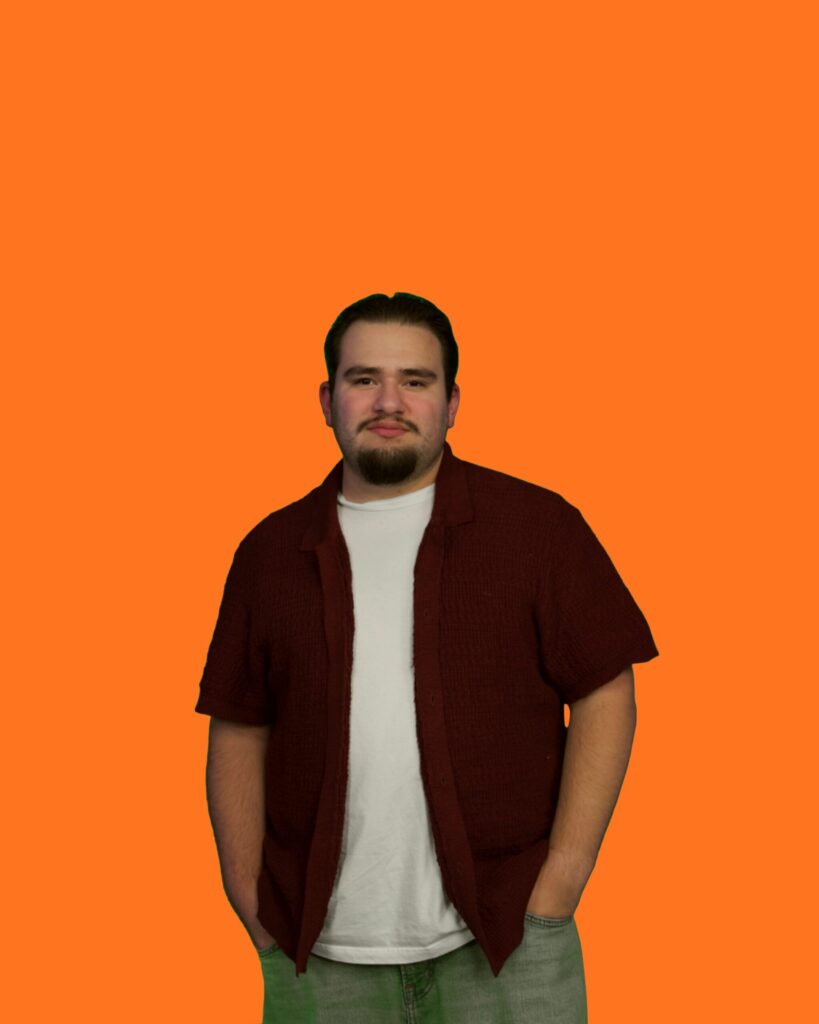
Roman Alvarez
Roman Alvarez is a junior double-majoring in Biology and Public Health. His goal is to attend medical school and eventually specialize in pediatric surgery or neonatology.
Tell us about someone you met at the conference.
“I was excited to meet Dr. Chris Moreland from the University of Texas. I was curious about accessibility in different medical schools, and he told me about his experience at UT Austin. He also advised me that although accessibility is key, it’s also important to evaluate which program will provide me with a good education.”
What’s something you learned at the conference that you’ll take forward in your career?
“One really interesting thing I had never heard of, but have experienced all this time is Deaf Tax, meaning you have to advocate for yourself, and get the accessibility and accommodations you need. It’s that investment of time into ensuring your own accessibility. I’ll have to keep doing that into the future.”
Chiana Cambie
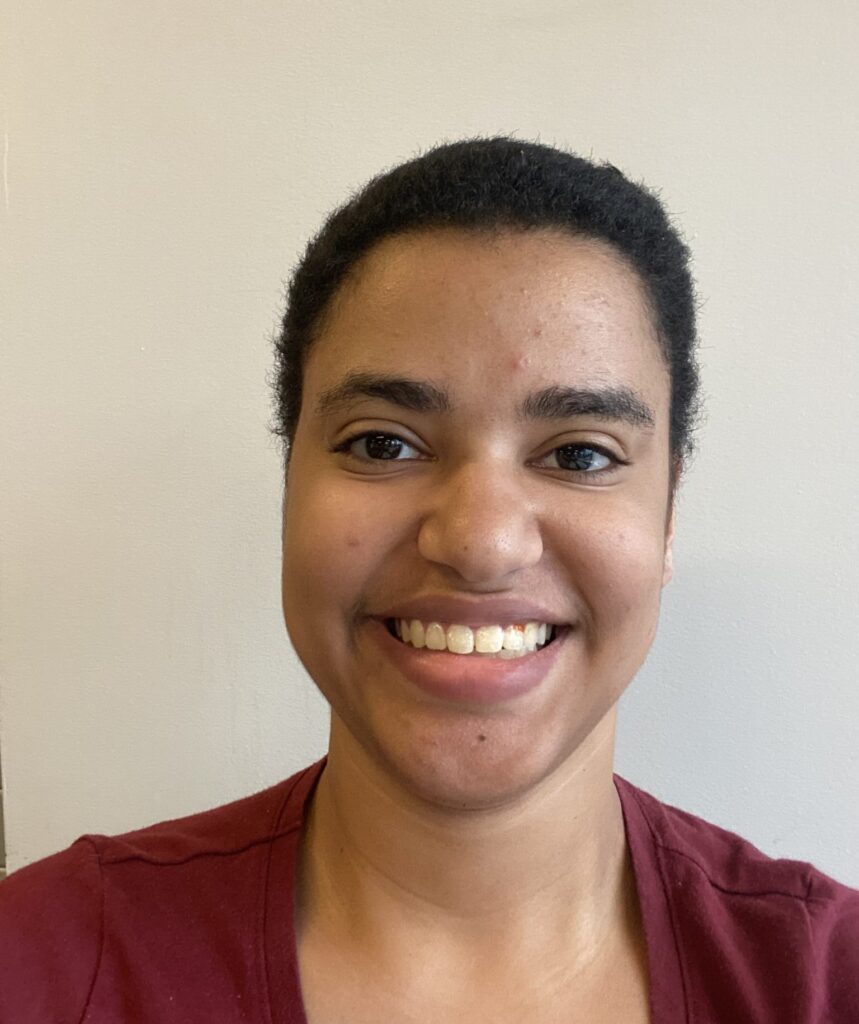
Chiana Cambie is a senior double-majoring in Biology and International Studies. She plans to pursue medical school and is especially interested in infectious diseases, genomics, and global health security, where biology and international relations intersect.
What’s one of your favorite parts of the conference?
“I’m a senior and am interested in pursuing an MD Ph.D. Someday I would like to have my own lab. I went to the panel on research grants, which went over the funding process, and that was really interesting to me.”
Was there something in particular at the conference that stood out to you?
“In one panel, it was nice to see how the presenters’ experiences changed over the years. It’s different now from in the past; in the 80s or 60s. And those changes depended on who was talking; if they were a woman, a man, if they were white or a person of color. It was interesting to see how things changed over time for people in the nursing and medicine fields.”
Ashley Corcoran
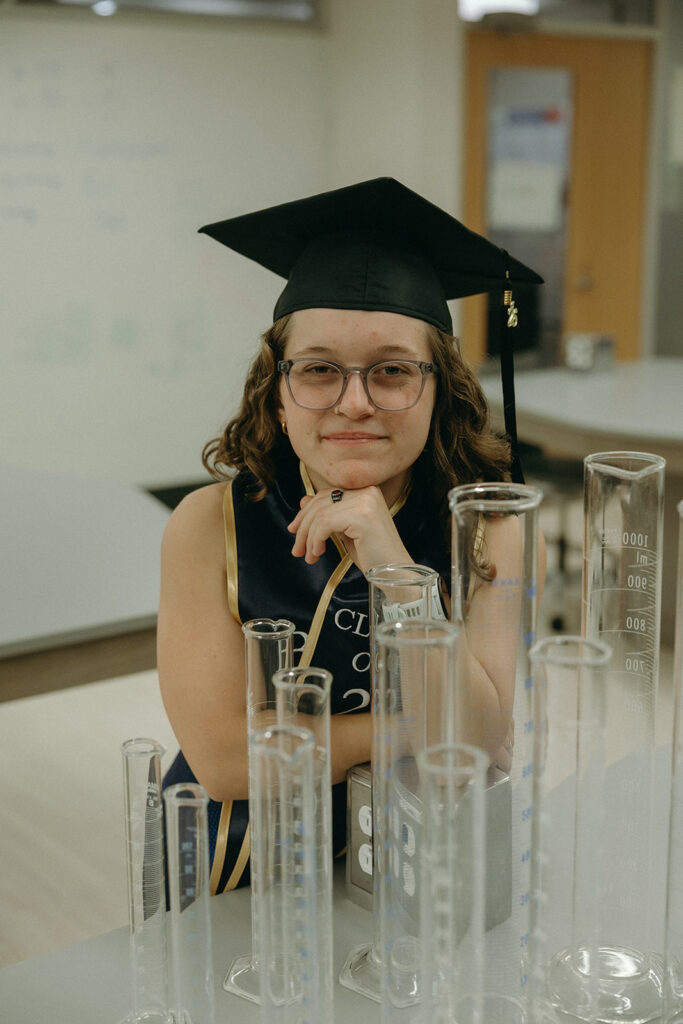
Ashley Corcoran is a senior who is majoring in Biology and minoring in Chemistry and Public Health. This fall, she will start her Master of Science in Health Sciences at George Washington University’s Laboratory Medicine program.
Tell us about someone you met at the conference.
“I hadn’t heard much about Gallaudet alumni working in medical fields, but I met and chatted with Dr. Colin Hill ’12, who works at NYU now. It was cool to meet someone from Gallaudet.”
What’s one of your favorite parts of the conference?
“One of my favorite moments was the Pioneers in Medicine panel, which included Dr. Philip Zazove, the third Deaf doctor in America, and Dr. Judith Ann Pachciarz, the first Deaf woman with a M.D. and Ph.D. It was fascinating to hear their stories, the challenges they faced, and barriers they fought to get through med school. That gave me chills.”
What’s something you learned at the conference that you’ll take forward in your career?
“One panelist, Julia Bartsch, said something I’m still thinking about: ‘Your confidence in the workplace shows your colleagues that they can trust you.’ True, we may doubt ourselves at times, being Deaf in a hearing world, but our confidence in ourselves shows that whatever we learned in school, or training programs, has prepared us to do our jobs. People can work with us, not doubt us. That really touched me.”
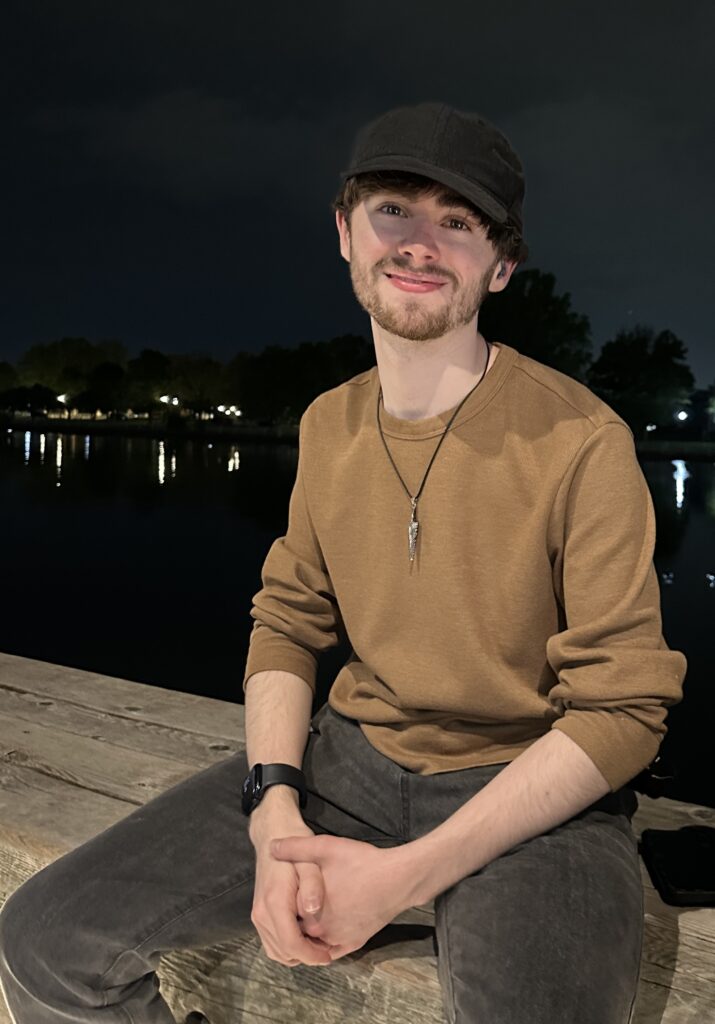
Andrew Crawford
Andrew Crawford is a senior double-majoring in Biology and Public Health. This fall, he will start his Master’s of Science in Health Data Science at George Washington University.
What’s one of your favorite parts of the conference?
“One of my favorite parts was the workshop on grant writing. There are not many opportunities to get that information in ASL, so I decided to take advantage since writing grants for my own research is something I may need to do in the future.”
What’s something you learned at the conference that you’ll take forward in your career?
“The conference develops skills in networking itself, which is great. Rather than networking on a device, you are in an audience, actually watching a presentation, and then going up and engaging with the presenter. It’s a great place to develop that skill so that when I go to future conferences, I can do that on my own.”
Any networking tips?
“You can ask: ‘Are you doing any research?’ This question can naturally lead to successful conversations. When it comes to networking, I’m reminded of exposure therapy. Sometimes I have to force myself to approach people, but that’s a great way for me to move forward; it’s helpful to me to think about it this way.”
Carter Johnson
Carter Johnson is a senior majoring in Biology. This fall, he will start pharmacy school to train as a clinical pharmacist.
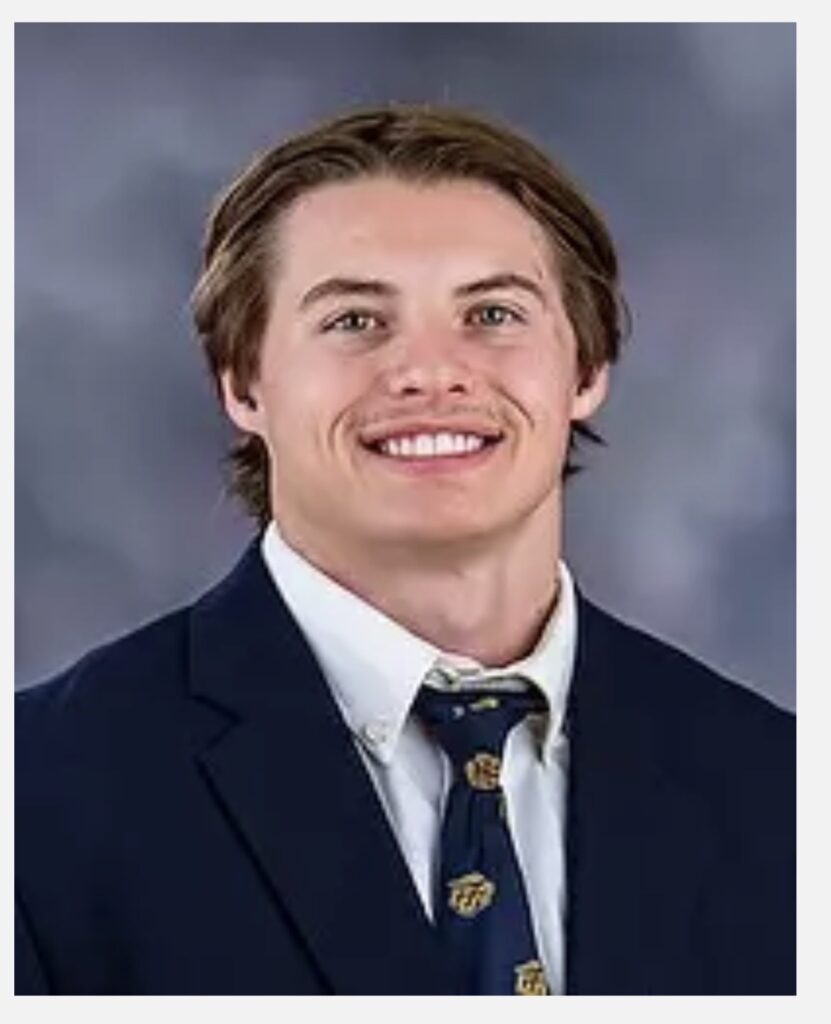
What was one of your favorite parts of the conference?
“One session was around responding to a code blue situation and how to respond with a room full of hearing people. I hadn’t thought about the kinds of situations in which you need to communicate with people beforehand to establish protocols.”
Tell us about someone you met at the conference.
“Dr. Shazia Siddiqi explained how we need to think about accessibility globally, not just within the USA. Doctors in some other countries are desperate for resources. She wants to partner with AMPHL and different countries to heighten awareness that Deaf and hard of hearing people can make it in these fields.”
Nikki Palleja
Nikki Palleja is a second-year Biology major who is on track to graduate next year. Her future plan is to become a doctor, specializing in either neurology or Otorhinolaryngology (Ear, Nose, and Throat).
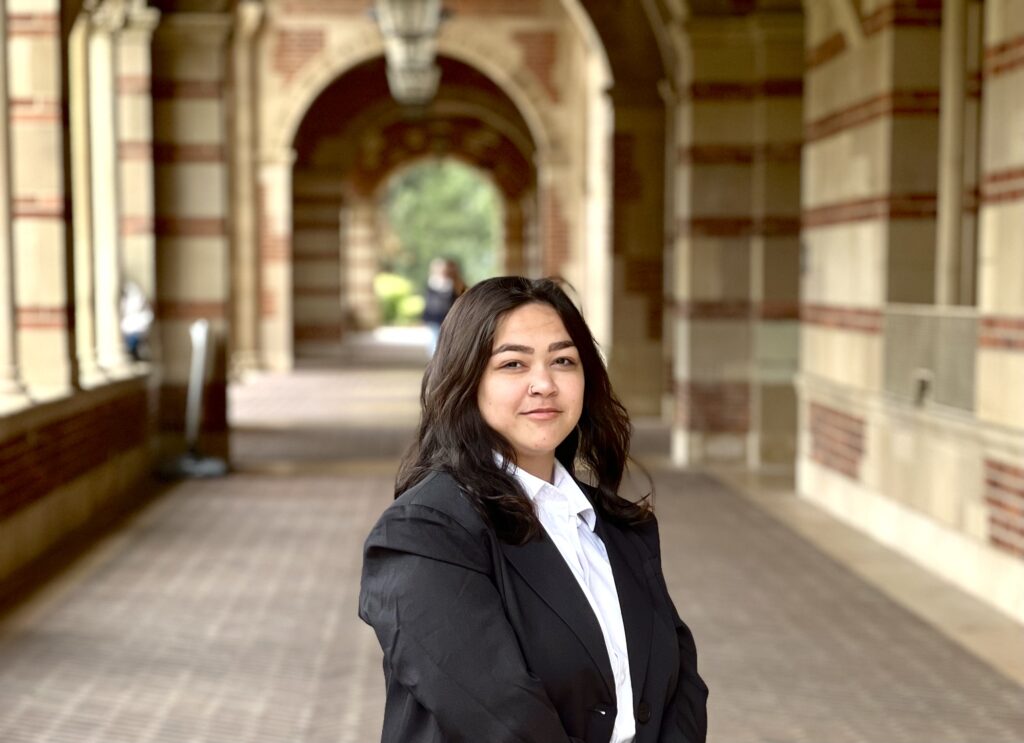
What’s one of your favorite parts of the conference?
“The conference helped me meet other people I was really interested in meeting, like a pediatric neurologist.”
Tell us about someone you met at the conference.
“I met several really interesting people. Three are: Julia Bartsch, a Surgical Physician Assistant (PA); Dr. Wendy Eastman, a Child Neurologist; and Tyler Pugeda, a medical student. They were all really interesting to meet because they gave me a lot of advice about getting through medical school, what kinds of resources I could read up on, and what’s required for different programs.”
“I’m on the fence about training as a PA or a doctor, and I got advice around specializations like neurology.”
Enza Visco
Enza Visco is a senior majoring in Government and minoring in Data Science.
What’s something you learned at the conference that you’ll take forward in your career?
“We have to fight for our rights and continue to speak up, ask questions, and be assertive to get the accommodations that we need…Another person explained that we may not be on a fixed path. They were in several fields and described their experience trying out different areas. So if someone goes back to school later, that’s ok if they feel it’s not the right fit. It’s important to follow our passions.”
Any networking tips?
“Just ask! The worst-case scenario is that you get a ‘no.’ I talked to a business owner who works in medical accessibility, who attributes his upward trajectory to being outgoing, meeting people, and asking questions…even if someone can’t help you, they tend to refer you to someone who can. The point is just go on and ask!”
Find out if Gallaudet’s Science, Technology, Accessibility, Mathematics, and Public Health (STAMP) is the program for you. Explore funding through the S-STEM program, which is supported by National Science Foundation Award #2130275. Thank you to the Sterling White gift fund and University Communications for supporting three students’ attendance at the conference.
Gallaudet’s Student Health Services is not only an accessible and trustworthy resource, but also an engaged part of campus life.