


In “Trash” — playing at the Perelman Performing Arts Center in New York until March 28 — James Caverly, ’11, and Andrew Morrill, ’16, tackle an age-old debate: Who is going to take out that stinky bag of garbage? They wrote the comedy-drama and play the lead characters, two Deaf roommates who disagree about nearly everything.
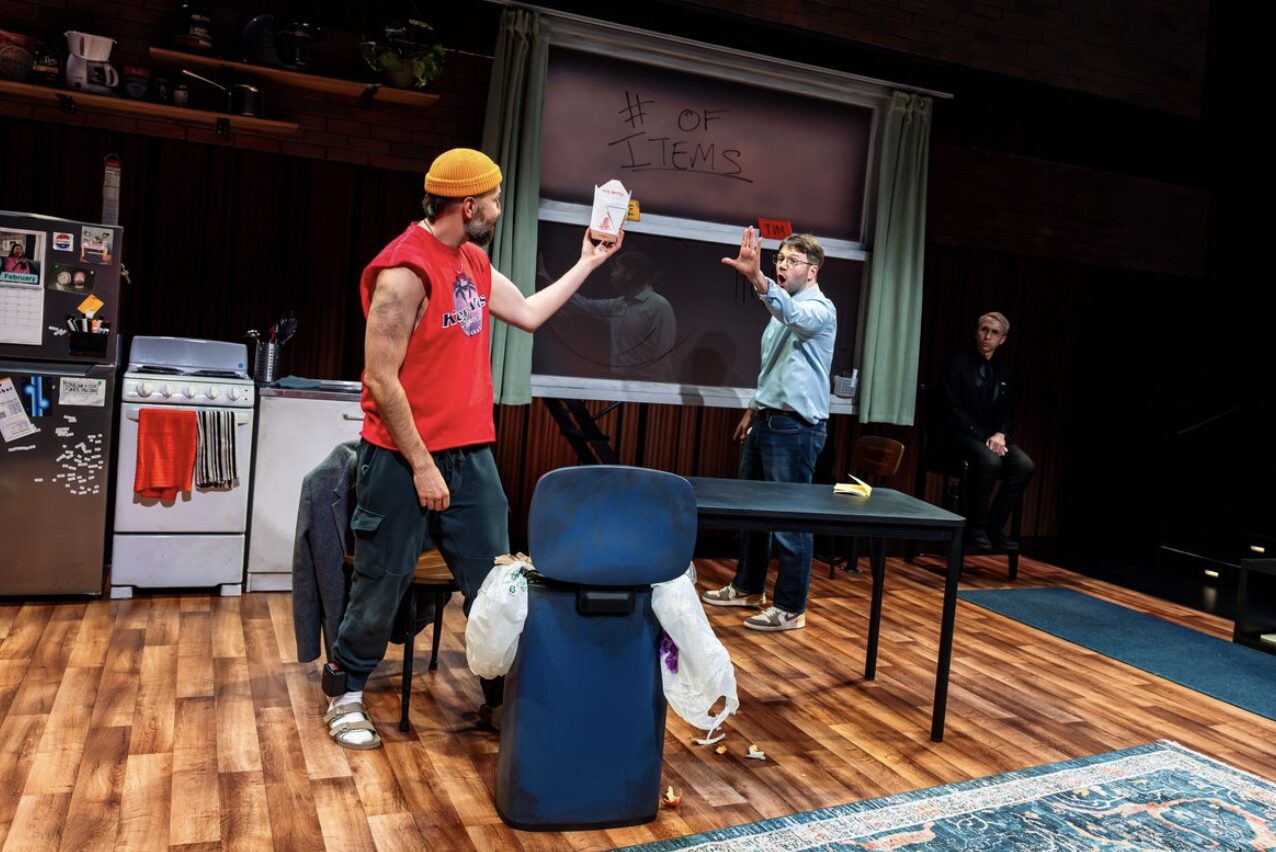
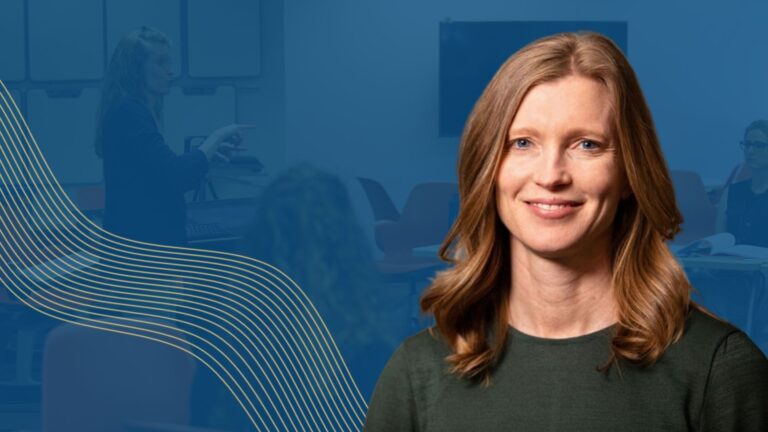
“Through their ongoing argument, the play reveals the idiosyncrasies of daily life as a Deaf individual and offers insight into various facets of Deaf culture,” says Associate Professor Annie Wiegand, E-’99, who is the lighting designer for the production. The Gallaudet community is sure to recognize other members of the “Trash” creative team, including associate director Amelia Hensley, ’13, director of artistic sign language Kailyn Aaron-Lozano, G-’20 & ’21, and costume designer Nikolya Sereda, ’19.
President Roberta “Bobbi” Cordano was in the audience on opening night, and a group of 50 Gallaudet students will attend the production on Saturday, March 28 through a trip co-sponsored by Gallaudet University Performing Arts and Student Engagement and Leadership. But if you want to see it too, you need to get tickets fast before it sells out, warns Wiegand. We got her to fill us in on what has been happening behind the scenes.
How did you get involved in the production?
The Deaf theatre world is very small, and we remain connected as both colleagues and friends. I was aware of this work from the beginning and, in fact, helped make a workshop performance happen at Gallaudet in 2023 as part of its developmental process. Our program has begun producing more Deaf-written work as a kind of incubator, giving writers the opportunity to see their work in development.
Furthermore, Joey and Andrew were very intentional about having Deaf representation both onstage and backstage. They shared my name, along with several other Deaf theatre artists, with the co-producer, Out of the Box Theatrics.
Why is it a particularly significant milestone for Deaf theatre?
As far as we know, a Deaf-written play has never been produced Off-Broadway. Off-Broadway literally means one step below Broadway, and reaching that level is already an incredible measure of success. For a Deaf-created play, with strong Deaf representation onstage and backstage, to attain this level is a remarkable milestone. It demonstrates that Deaf theatre artists can succeed in this industry with determination. It shows that it is possible to build a career and make a living in this field, and that this work should not be dismissed or undervalued.
Theatre and live entertainment are also a vital part of the broader entertainment industry. Productions like this provide a powerful platform for visibility, allowing Deaf individuals and Deaf artists to be seen, represented, and recognized on a major professional stage.
What has been the dynamic behind the scenes with so many Gallaudet alumni?
I am incredibly proud of the GU representation, as we all should be. It is an honor to be working alongside them as colleagues. I am typically accustomed to being the only Deaf person working on a show, so having multiple Deaf artists involved has created a truly beautiful and balanced environment. It changes the rhythm of the room in a meaningful way. Many of our non-signing collaborators have picked up some fingerspelling and a few signs, which has helped foster a more inclusive and communicative process.
It has also been especially meaningful to work alongside my former students who are now colleagues in the field. For example, Nikolya and I collaborated closely because one of the character’s costumes included illuminated elements, which required careful coordination between costume and lighting design. Moments like that highlight the level of trust, creativity, and shared understanding that comes from working within this community.
What kind of reaction is it getting from audiences?
It is already receiving wonderful reactions and strong reviews. Audiences are even traveling from other states to see the production, which speaks to the excitement surrounding the show.
Hearing audience members are given a glimpse into what it can feel like to navigate the world as a Deaf person. There are moments in the production where full accessibility is intentionally limited, allowing hearing audiences to experience, even briefly, what that lack of access can feel like. At the same time, the play is both insightful and empathetic. Hearing audiences leave with a deeper understanding of Deaf experiences, while Deaf audiences feel seen, represented, and reflected on stage.
What will Gallaudet students specifically get out of it?
We are thrilled to help send a group of students to witness this groundbreaking work and be present for such a historic moment.
Students will likely find many points of connection within the story, including references to Gallaudet itself. A play about Deaf life and Deaf culture naturally resonates with their own experiences. Just as importantly, they will see a clear example that a career in the entertainment industry is possible, whether onstage or behind the scenes. Seeing Deaf artists succeed at this level can be both inspiring and affirming for students as they imagine their own paths forward.
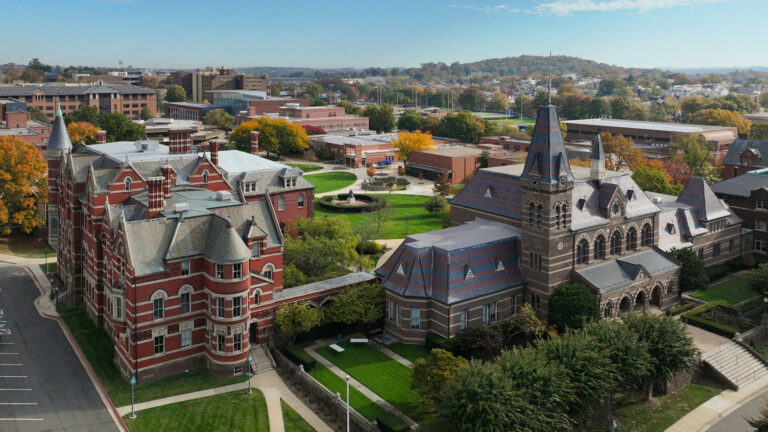
Learn more about Gallaudet’s Performing Arts program, which offers a B.A. in Theatre, as well as minors in Theatre and Dance. It is the world’s only B.A. Theatre program designed specifically for Deaf and hard-of-hearing undergraduate students.