



The criminal justice system impacts many Deaf people in so many ways, says Dr. Erin J. Farley, Associate Professor in Government. She assembled a panel of Gallaudet faculty experts to deliver a comprehensive overview of this issue at the American Society of Criminology (ASC) Annual Meeting in DC last month.
“From interactions with police and courts to prison, it’s a big system,” explains Farley, who wanted to explore how policies across government, schools, service providers, and more impact Deaf people. Yet, not enough Deaf people work in the system and are involved in making decisions, notes panelist Sean Maiwald, ’16, Lecturer in Government and Public Administration. “You need a Deaf person there or someone knowledgeable about Deaf people in the space.”
The interdisciplinary panel, titled “An Examination of Social and Legal Policies and their Impact in the Deaf Community,” was sponsored by ASC’s newly established Division of Health and Disability Criminology. Farley and Maiwald were joined by Dr. Gabriel Lomas, G-’01, Professor in Counseling, and Dr. Hayley Stokar, G-’08, Assistant Professor in Social Work. The discussant, DT Bruno, ’18, is a current PhD student at Simmons University School of Social Work, teaches in Gallaudet’s Master of Social Work program, and is a Research Associate in the Center of Deaf Health Excellence (CDHE).
On bringing together these experts from different fields, Farley says, “Faculty may not hold a direct relationship with criminal justice, but are very knowledgeable of the pathways that lead people to interact with the system. It’s all interrelated.”
The panel was a first at ASC. With over 3,000 members, the organization focuses on the study, research, and education in the field of criminology. Farley has been attending ASC for the past twelve years, and out of curiosity, she took a look at past conferences dating back a decade and counted only eight sessions specifically related to Deaf communities.
Since research and data about Deaf experiences in the criminology area is relatively limited, one goal of the panel was to educate ASC attendees. “We are offering a more critical perspective, going beyond accessibility, so people understand how audism may impact their data in a different way, or maybe members will choose to interact with Deaf communities more intentionally,” says Farley.
Taking a closer look at systemic disparities
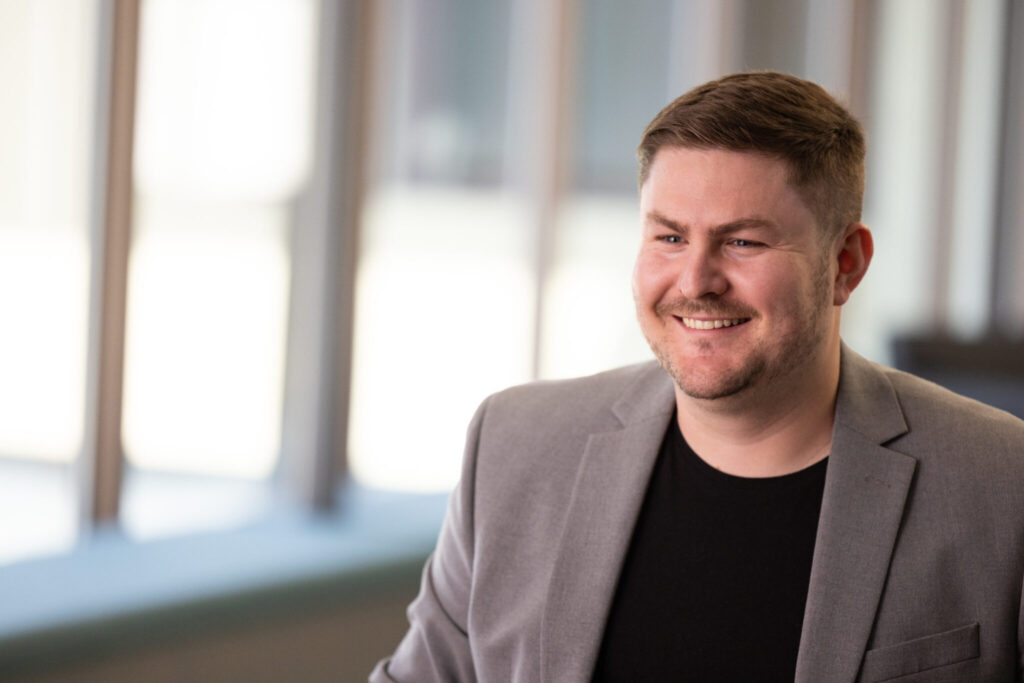
Maiwald presented on how government services and policies are ill-equipped to meet the needs of the Deaf community by highlighting the built-in disparities many Deaf people experience when engaging with public administration and public policy, both on a systemic level and in one-on-one interactions. He described the ramifications of audism and the unevenness of accommodations Deaf people have access to, addressing language deprivation, education, and employment outcomes. Maiwald discussed the value of drawing on Community Cultural Wealth to offset those harms by drawing on strength-based perspectives and developing different kinds of cultural capital within Deaf communities to navigate oppressive systems.
Deaf youth at a disadvantage
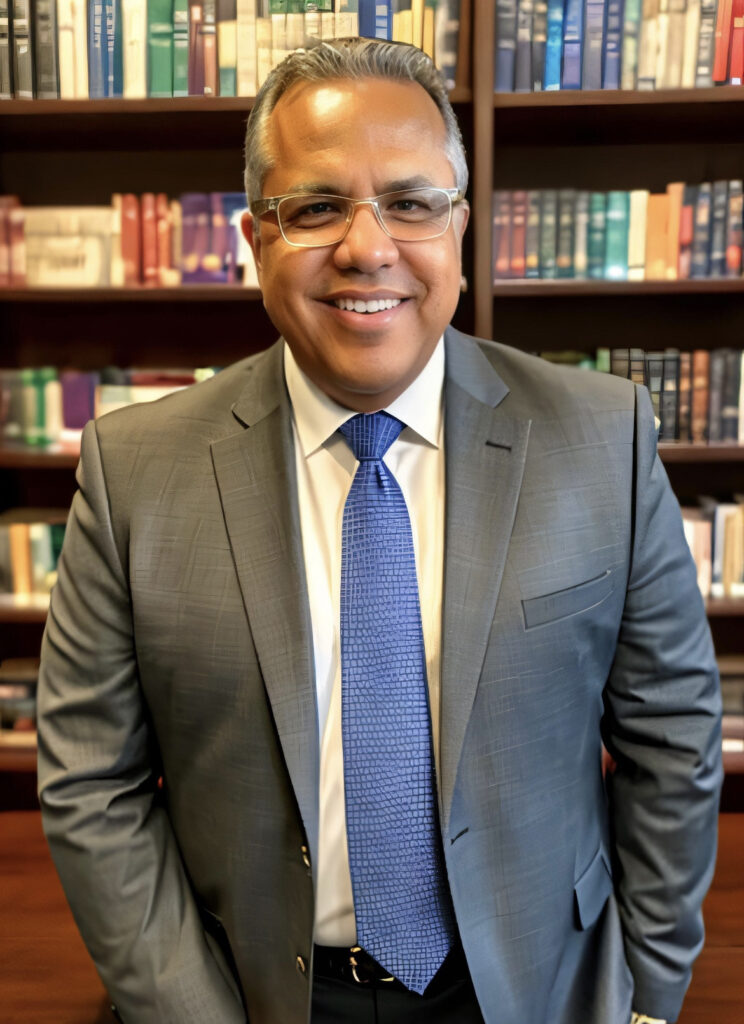
Lomas presented on how failure to properly implement Americans with Disability Act (ADA) standards negatively impacts Deaf students, contributing to the school-to-prison nexus. The striking over-representation of Deaf people in the justice system is reflected in a statistic he shared: 14% of the general population identifies as disabled, yet 40% of the prison population is disabled. He asserts deaf youth are at much higher risk for arrest and incarceration, largely because many deaf students are not educated about their rights under the ADA. Other factors Lomas discussed include the prevalence of false confessions and limited resources across the broader criminal justice system. Deaf youth may be waved through treatment to avoid the cost of providing access, effectively limiting the full range of treatment options or accessible foster care situations.
An uphill battle: Deaf job seekers with a criminal history
Stokar presented on the intersection of discrimination against Deaf people seeking work and past criminal history. She provided a comparison of legislation around two parallel types of employment discrimination faced by Deaf and hard of hearing individuals based on: 1) disability/hearing status, and 2) criminal history. She described how DHH people with criminal histories face a double-disadvantage in securing employment and the ADA’s limited protections (for instance, employers do not have to provide evidence of why they denied employment to an applicant). Since these discriminations are hard to prove, the resulting chain reaction leads to unemployment and may increase recidivism (relapse into criminal behavior) or dependence on social welfare programs.
Leveling the playing field

Farley focused on reform efforts to Competent to Stand Trial (CST) evaluations of Deaf defendants. Farley highlighted longstanding concerns about language and communication barriers to a defendant’s ability to assist in their own defense as well as their due process protections. Though difficult to capture exact numbers, the demand for CST evaluations has significantly increased nationally. Initially designed for people with mental illness, CSTs are also used for those with intellectual disabilities, substance abuse issues, and many Deaf and hard of hearing defendants. Recently, there have been efforts to reform the CST and restoration process, which she outlined, including the creation of competency dockets. These dockets consolidate the CST review process, often decreasing delays. They have been implemented in eleven states so far.
Taking action through education and justice
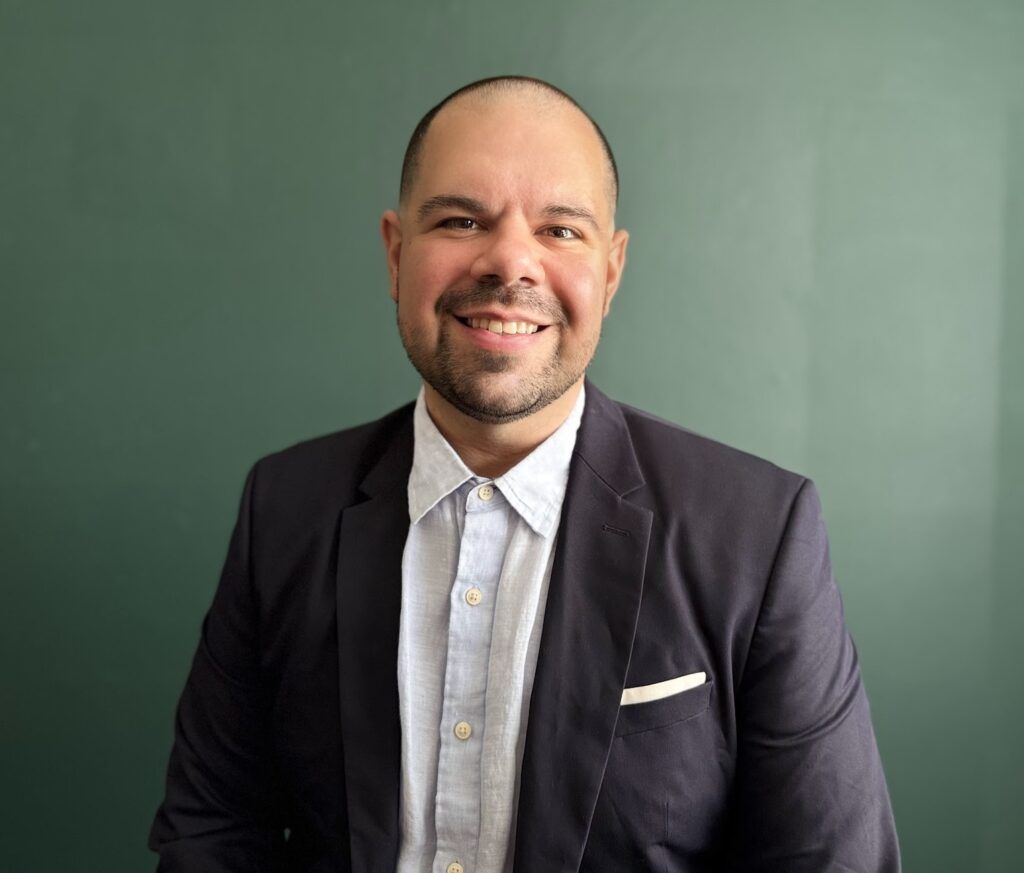
In the context of policies aimed at centering language accessibility and inclusion, DT Bruno closed by asking what tangible steps can be taken to improve these structures. Responses focused on making systems more Deaf-friendly, which can encompass participatory or transformative justice.
Stoker emphasized raising awareness about labor issues among employers can be impactful. Lomas suggested starting with small steps and going from there. “Some states have disability organizations and meetings with government workers discussing how to improve systems for Deaf people, such as the foster care system or interactions with the police, for example,” he said.
Farley pointed to the increasing interest in Gallaudet’s Criminal Justice minor, citing its interdisciplinary nature and the range of meaningful work opportunities it offers. “Understanding the criminal Justice system requires adopting a critical lens to examine all the dimensions of discrimination, harm and injustice that occur as a result of our past and current system of law enforcement and punishment. There is a great need for more research, education, advocacy, and action on behalf of the Deaf and hard-of-hearing individuals who come in contact with the criminal legal system, she said.
And bringing together the interdisciplinary panel was an important step in itself. “Collaboration across fields moves us from documenting disparity to designing justice—justice that centers Deaf people through our shared understanding,” said Bruno.
Gallaudet’s robust Criminal Justice minor offers complementary major-minor pairings such as with Social Work, Public Affairs, Counseling, and Psychology, to enhance career preparation and allow students to develop a secondary area of expertise.
To learn how you can support deaf/disabled incarcerated people, reach out to HEARD.