
Deaf Gain
Deaf People and Sign Language Matter to the World
Deaf Gain is a simple but powerful idea:
Instead of seeing deafness as a loss, what if we recognized it as a gain for individuals, communities, and society as a whole?
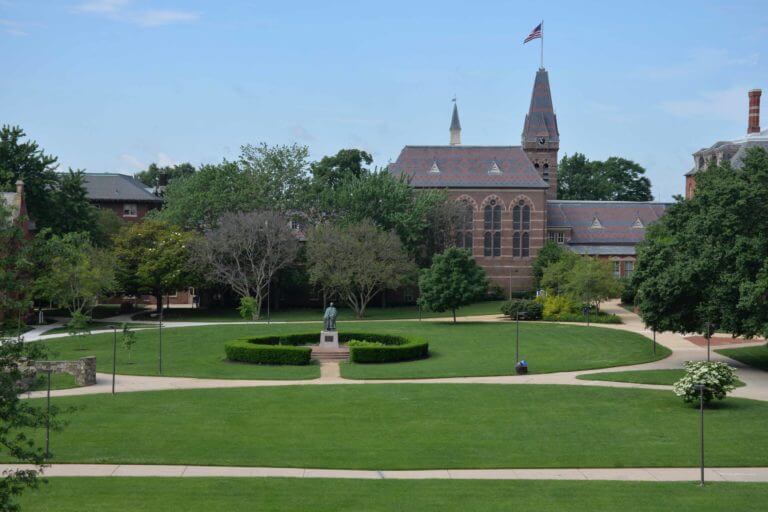
Developed at Gallaudet University, Deaf Gain reframes how we understand language, the brain, and human potential. This page offers a quick introduction through five short videos. Each highlights a different way Deaf Gain expands what it means to be human.
Deaf Gain shifts the focus from hearing loss to the insight, creativity, and innovation that Deaf people and signed languages contribute to the world.
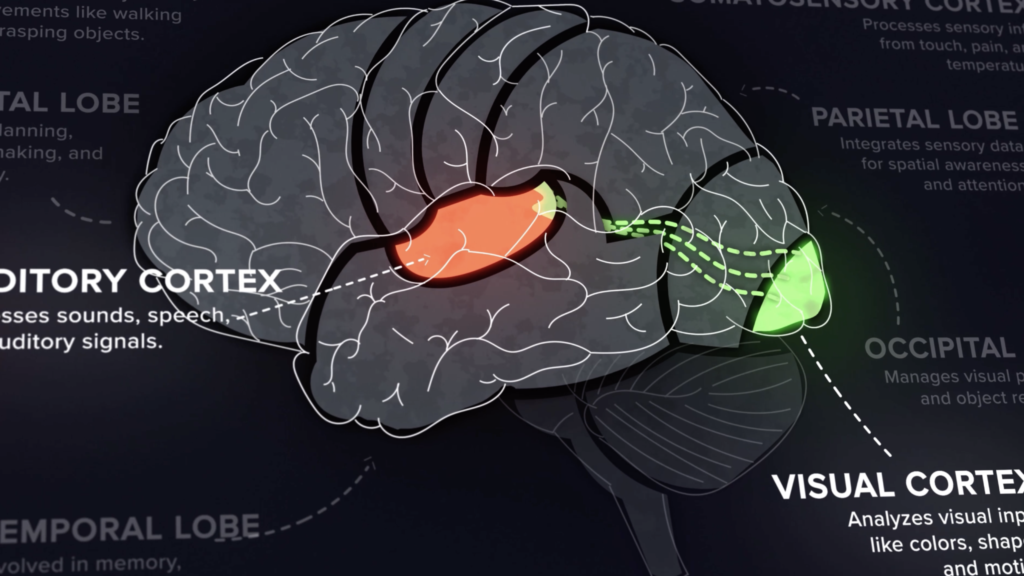
Visual language experiences shape the brain in distinctive ways, strengthening visual awareness, spatial processing, attention, memory, and conceptual thinking.
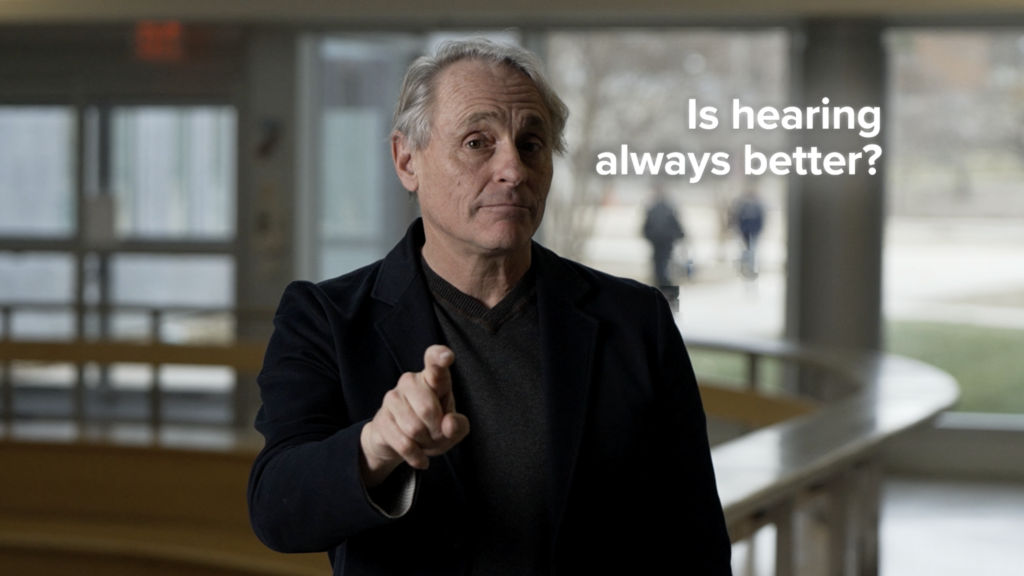
Is hearing always an advantage? This section examines how sound-heavy environments can affect health, learning, stress, and quality of life.
Human societies become stronger when they value different languages, cultures, abilities, minds, and experiences. Deaf Gain is ultimately human gain.
What Is Deaf Gain?
For a long time, people assumed that language meant speech. Research at Gallaudet helped transform that belief by demonstrating that language exists in both spoken and signed forms. Today, we know that sign languages are complete, complex, and deeply connected to the human brain.
Instead of defining deaf people by “hearing loss,” Deaf Gain reframes deafness as a source of insight, creativity, and innovation.
Deaf performance artist Aaron Williamson once shared that doctors repeatedly told him what he was losing. They never told him what he was gaining. That realization helped spark the idea of Deaf Gain: a shift from deficit thinking to possibility.
What do we gain when we value people for what they bring, rather than what they supposedly lack?
Cognitive Gain
How deaf vision and sign language expand the mind
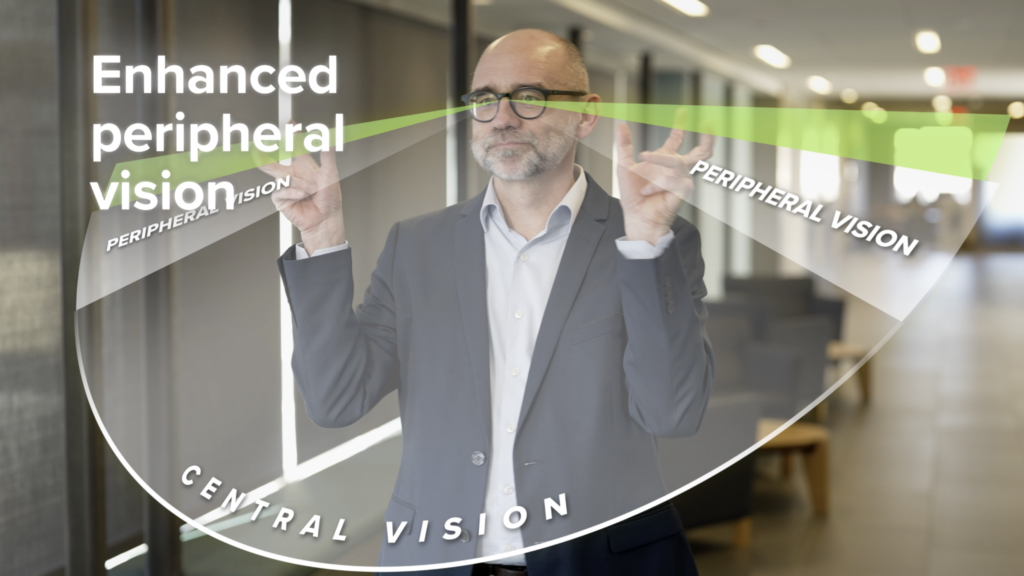
Human brains adapt to how we experience the world. Phonocentric systems center sound. Visual and tactile language experience wires the brain differently. Research shows this yields distinctive cognitive strengths:
- Enhanced peripheral vision awareness
- Stronger recognition of facial expressions and body movement
- Improved motion processing and spatial memory
These are not compensations. They are expressions of neural plasticity and evidence of how the brain organizes itself to thrive.
Research also shows Sign Gain: learning a sign language benefits everyone. Sign languages engage the brain in three-dimensional, visual-spatial thinking, strengthening cognitive skills related to visual and spatial processing, memory, attention, and conceptual reasoning.
You’re not just learning a new language. You’re learning a new way to think.
DeafSpace
When buildings learn from deaf people
Deaf Gain doesn’t stop at language or cognition. It reshapes the spaces we live and learn in. In 2005, Gallaudet hosted a DeafSpace workshop that explored how architecture could better support deaf ways of seeing, moving, and connecting. The result was DeafSpace design principles that emphasize:
- Clear sightlines
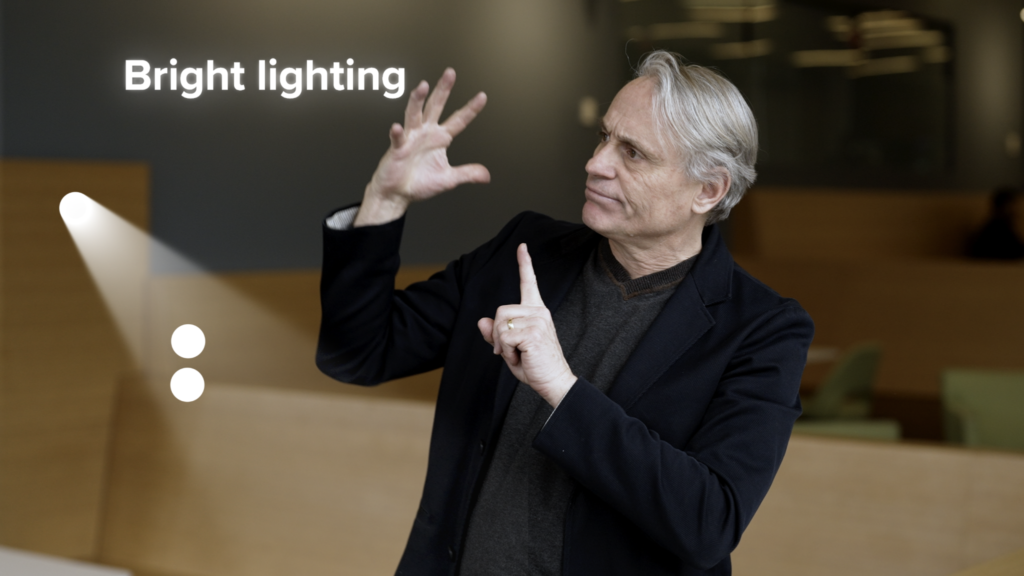
- Thoughtful, even lighting
- Open spaces that support visual communication
- Strong connections between people
DeafSpace classrooms and buildings improve learning, reduce fatigue, and foster connection. And the benefits extend beyond deaf communities.
Spaces designed for deaf people often work better for everyone.
Rethinking “Hearing Loss”
It’s not what you think it is
If Deaf Gain is the opposite of hearing loss, it raises an important question:
Is hearing always an advantage?
Research shows that chronic exposure to noise, so common in modern life, can lead to serious health and learning challenges, including:
- Increased stress and fatigue
- Sleep disturbance
- Cardiovascular risks
- Lower academic performance in children
This video flips the usual narrative. Instead of assuming deafness is always the problem, it asks us to consider how sound-heavy environments can create real losses for hearing people.
Deaf Gain invites a broader, more honest conversation about health, learning, and quality of life for everyone.
Human Biodiversity
Why differences make us stronger
In nature, biodiversity is a sign of a healthy ecosystem. Human societies are also healthier when we embrace diverse cultures, languages, and abilities.
Deaf Gain has sparked a broader movement that recognizes human variation as a strength, not a defect. Similar ideas are now common in disability studies and inclusive design.
Differences that may seem limiting in one context can be powerful advantages in another. Progress doesn’t come from making everyone the same. It comes from valuing a wide range of minds, bodies, and experiences.
Deaf Gain is human gain.
Why Deaf Gain Matters
Deaf Gain changes how we:
Understand language and communication
Design classrooms, workplaces, and cities
Think about intelligence and creativity
Value human difference
At Gallaudet University, Deaf Gain continues to shape research, education, and innovation — offering insights that benefit the entire world.
Meet the Scholars Behind Deaf Gain
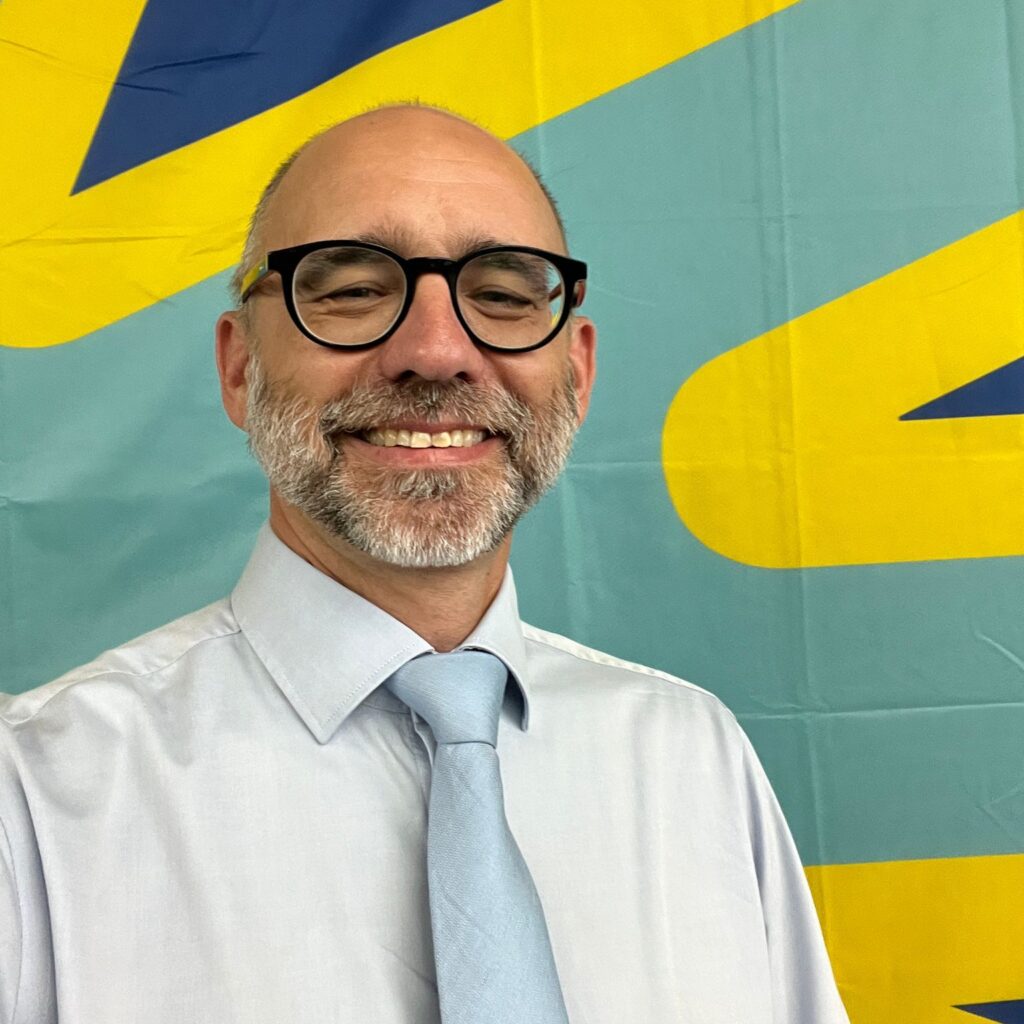
Dr. Joseph J. Murray
Professor of Deaf Studies at Gallaudet University and President of the World Federation of the Deaf, Dr. Joseph J. Murray has advanced deaf and disability rights for more than 30 years. His scholarship includes Deaf Studies, human rights, and applied linguistics. He has advised governments and deaf and disability communities in more than 50 countries and is co-author of Deaf Gain: Raising the Stakes for Human Diversity.
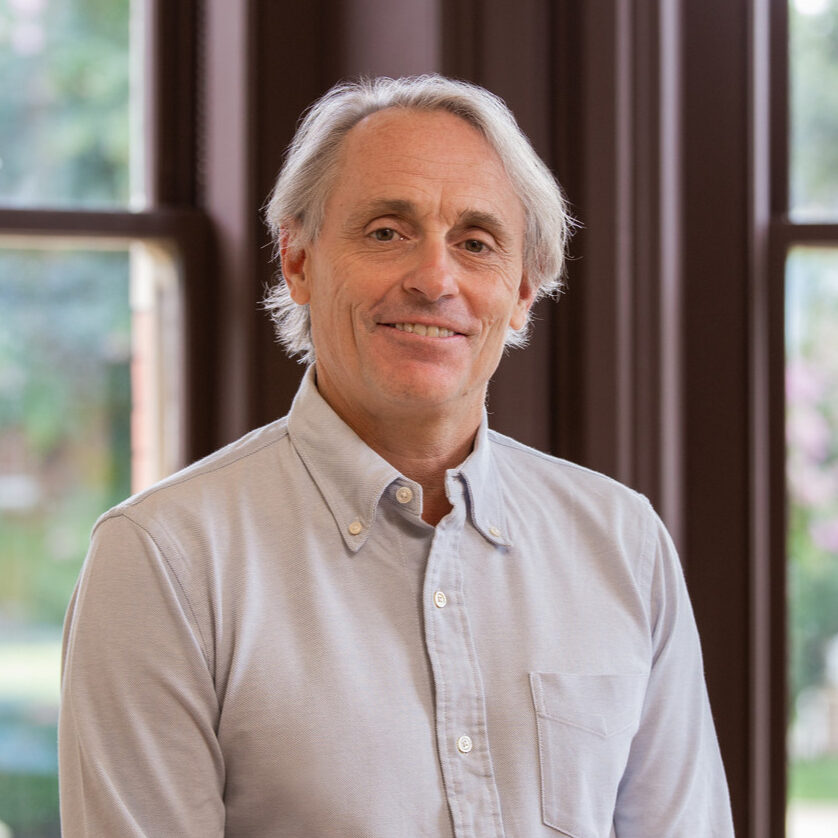
Dr. H-Dirksen L. Bauman
Professor of Deaf Studies at Gallaudet University, Dr. H-Dirksen L. Bauman has contributed extensively to scholarship on deaf studies and audism. He is co-founding editor of the Deaf Digital Studies Journal and served as executive producer of the internationally acclaimed film Audism Unveiled. He is co-author of Deaf Gain: Raising the Stakes for Human Diversity.
Continue Exploring Deaf Gain
Deaf Gain began as a way to rethink what it means to be deaf. Today, it continues to shape research, education, design, language, and how we understand human diversity.
Where will your curiosity take you next?
Discover the Story of Deaf Gain
Learn how Gallaudet scholars Dr. H-Dirksen Bauman and Dr. Joseph J. Murray developed the concept of Deaf Gain, and why they believe it matters more than ever.
Explore Deaf Studies and Research
Go deeper into Deaf culture, signed languages, history, identity, and the research that continues to expand our understanding of Deaf ways of being.
Experience Gallaudet
Deaf Gain isn’t only something we study. It is part of a community where Deaf perspectives, languages, and experiences shape how people learn, connect, and lead.





Melissa Yingst, ’00
All of this began at Gallaudet, where she learned to love the media, tell stories, and get involved with the deaf and signing communities.