


On the first day of her Certified Nursing Assistant (CNA) course, a teacher told Cheyenne Dyke that she couldn’t be a nurse. “I was taken aback,” she says. After a five-minute back-and-forth, Dyke decided to sit down and start learning. “I absolutely refused to let that teacher drag me down.”
That persistent mindset was shared by Dyke and two Gallaudet alums, Bethany “Bebe” Baker, ’13, and Britny Bensman, ’15, at a panel event on October 16. The event was hosted by Gallaudet’s Science, Technology, Accessibility, Mathematics, and Public Health (STAMP) and S-STEM programs, along with Student Health Services (SHS). During the discussion, the three deaf nurses shared how they overcame barriers throughout their nursing journeys. While each of their journeys is unique, they all came to the same conclusion after reaching their goal: the struggle was worth it.
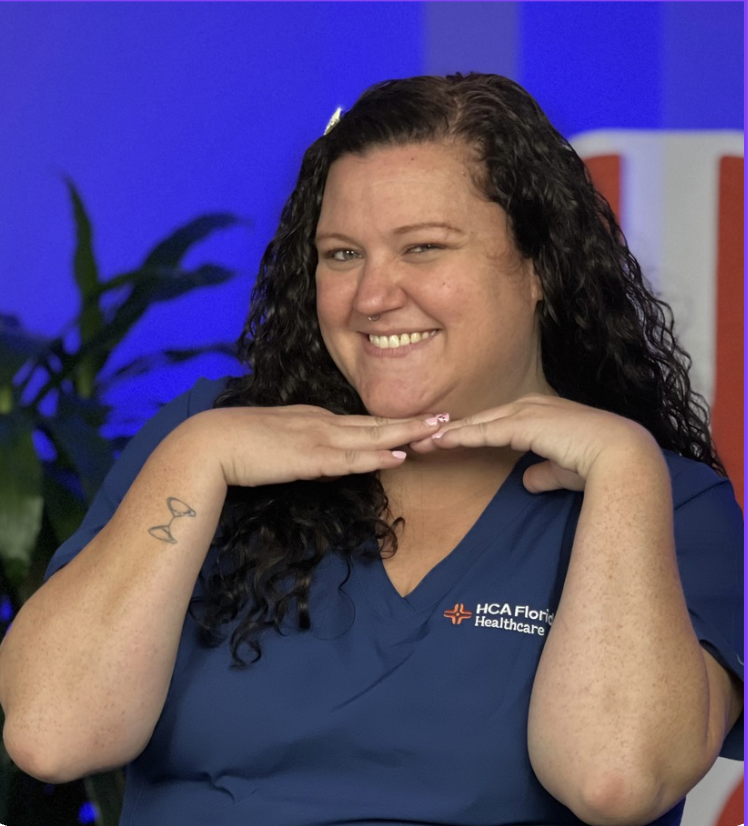
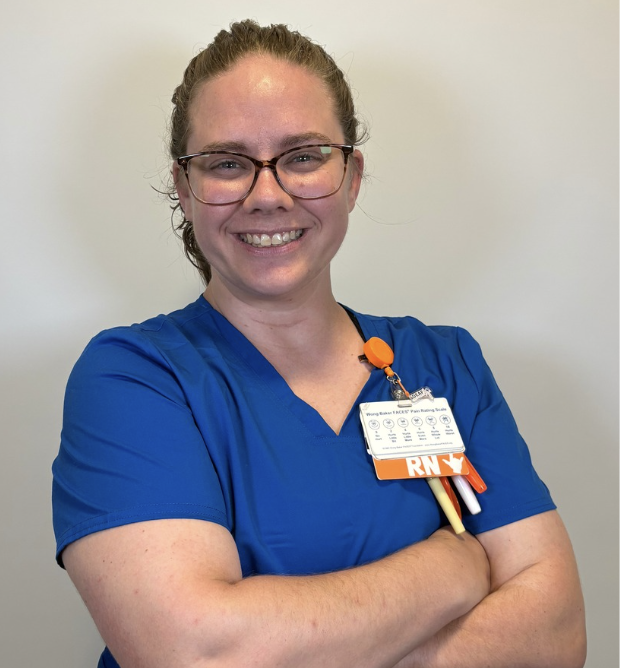
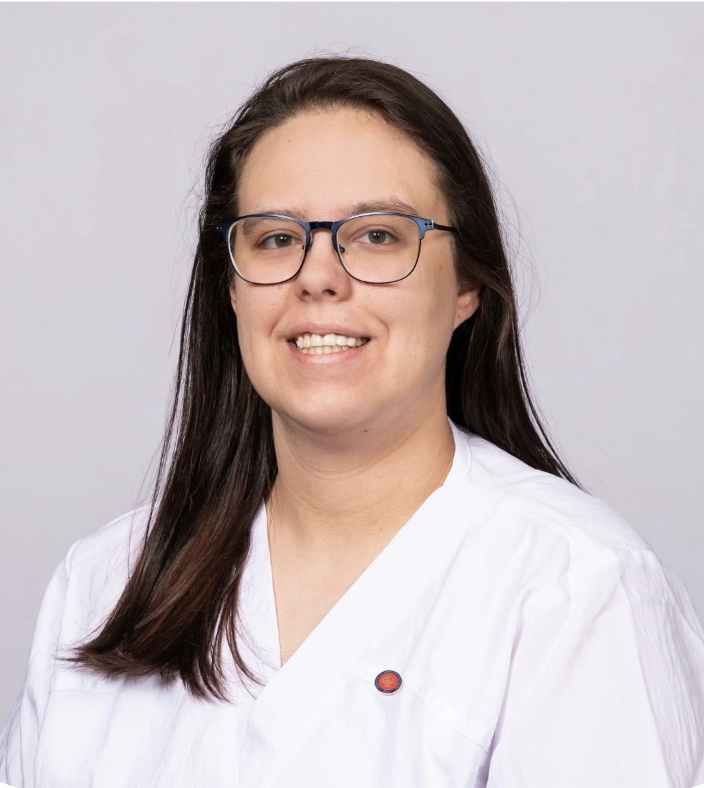
Rising above rejection
Baker recently saved a patient’s life by noticing something a hearing nurse had just missed. “People assume I’m a danger to patients because I can’t hear them. It is not critically important to hear. I’m living proof of that, and so is the work I do every day,” she says.
“Audism will not go away just because we paved the path for you. People will doubt your abilities. They will look down on you, and you have to be willing to go through it.”
Teaching and patience are essential for Baker, Bensman, and Dyke. They often work with people who have never met a Deaf person. “Advocacy is something I never get to rest from doing. It’s sometimes very frustrating, and sometimes I get really fed up, and I have to remind myself, this is why I’m here, to break through these barriers and to prove that I can do my job. Sometimes I literally have to list out to people what I’m able to do,” says Dyke.
Because people were unwilling to give them a chance in educational programs or job opportunities, their journeys took longer than expected. Bensman offers another perspective: sometimes barriers guide you to the place where you belong. Although she was turned down by 14 schools, she was the first Deaf graduate at the institution that ultimately accepted her. They worked with her to ensure she had the accommodations she needed, and since then, she has paved the way for seven deaf and hard of hearing students to graduate from the school, including her own sister, who is hard of hearing.
Bensman and Dyke were mainstream students growing up, while Baker attended a residential school for the deaf. Reflecting the diversity of deaf communities, each nurse relies on their own preferred modes of communication to get the job done. On any given day, they may use cochlear implants or hearing aids, alongside techniques like lip reading, sign language interpreters, or writing and speaking in English.
“Being a deaf nurse comes with challenges, but also strength. I use VRS, HIPAA-compliant chat tools, interpreters, and an amplified stethoscope to provide safe, effective care and show why accessibility matters,” says Bensman.
Learning from the pros
Bethany “Bebe” Baker ’13
Baker, who goes by “Bebe,” was born to a family of nurses. She attended the Florida School for the Deaf and the Blind, where she graduated as the valedictorian of the class of 2009. Baker majored in History and Theatre Arts at Gallaudet, saying, “I know it seems random compared to the medical field, but I would not trade that experience for anything in the world”
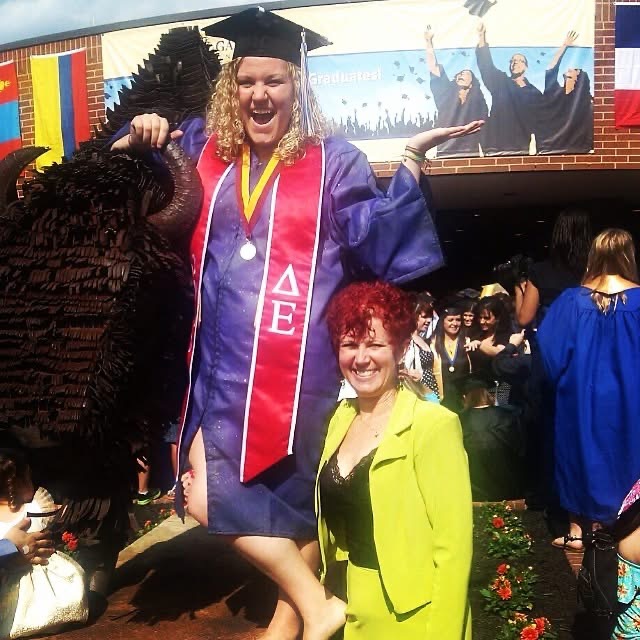
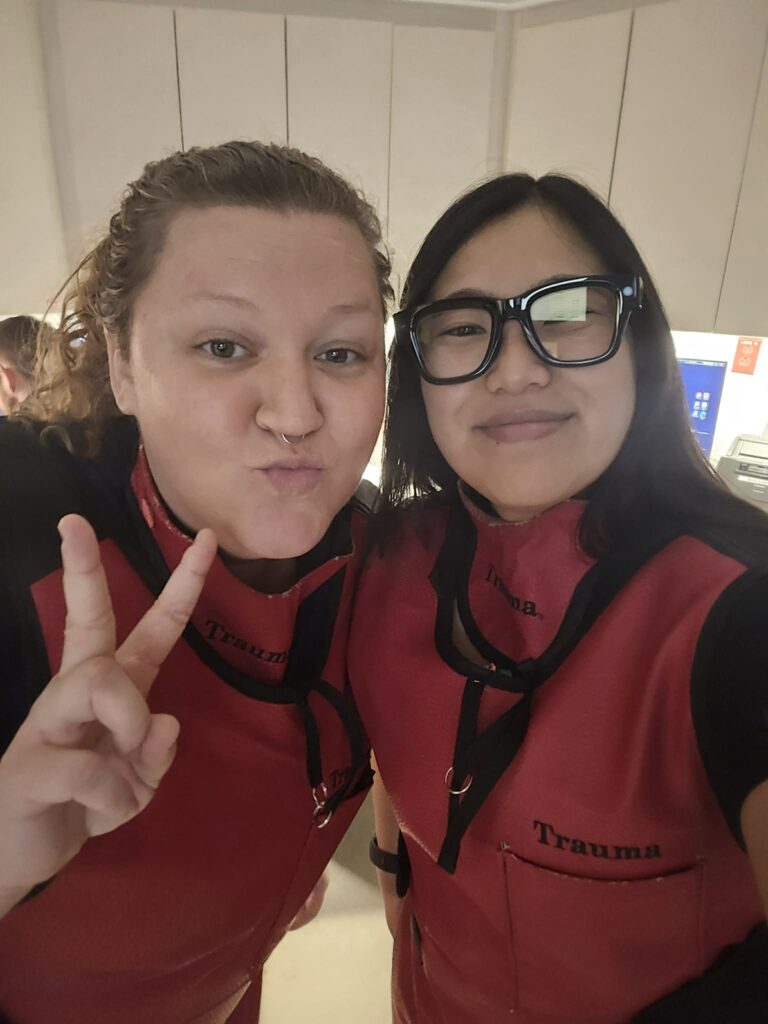
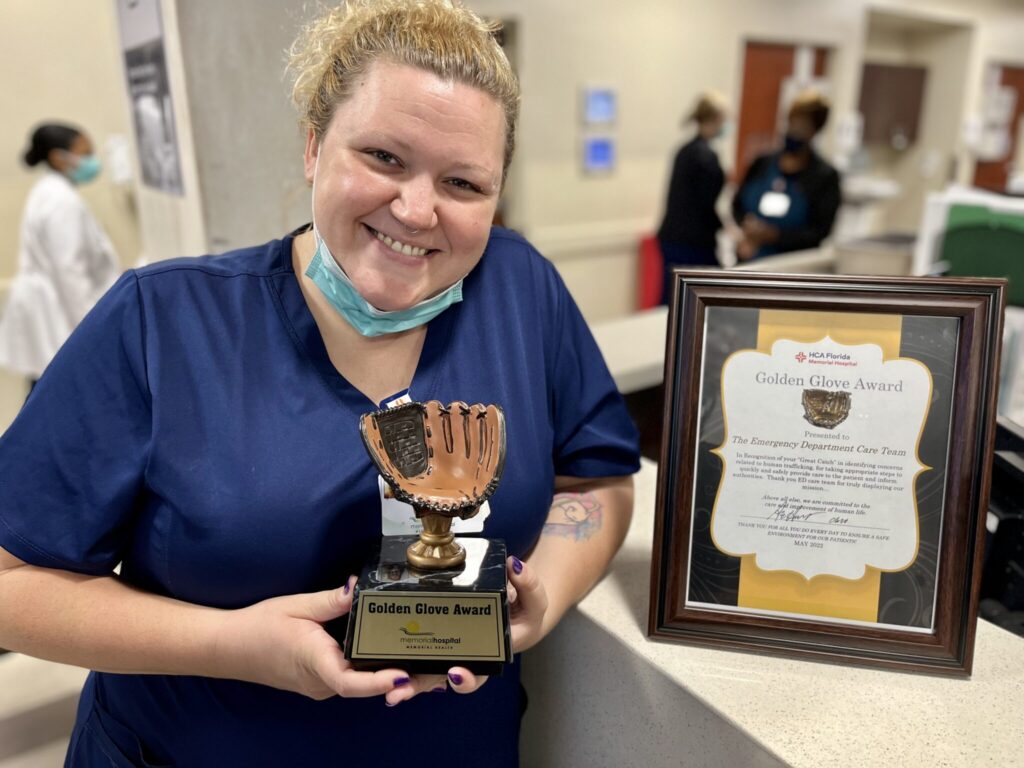
Baker moved to Tennessee after graduating, enrolled in an 8-week CNA program, and was placed in a chest pain center. There, she saw firsthand what different medical professional roles look like in the field while completing prerequisites for nursing school. She was accepted into the University of North Florida’s nursing school and graduated in 2020, during the height of the COVID-19 pandemic. “That was a very challenging time for medical professionals, but I’m grateful for the experience; I learned so much,” she says.
After becoming a licensed RN the following year, Baker found it difficult to land a job. After being turned down 16 times, she was hired to a Level II trauma center in Jacksonville, where she has been a trauma nurse in the ER for the past five years. She loves her job and her life in Florida with her pets and partner (whom she met at a Gallaudet Homecoming fourteen years ago).
Britny Bensman, ’15
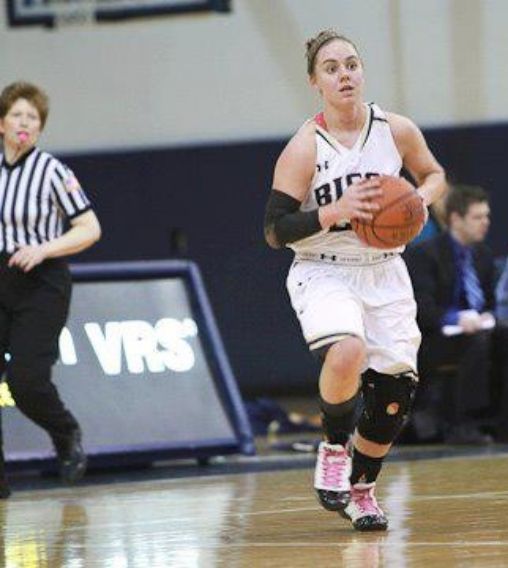
Bensman came to Gallaudet because she was recruited for women’s basketball. “I had a great time and even set some records,” she says. She learned ASL in the Jump Start program. She knew she wanted to go into the medical field, so she majored in Biology, and also took a course to become certified as a phlebotomy technician.
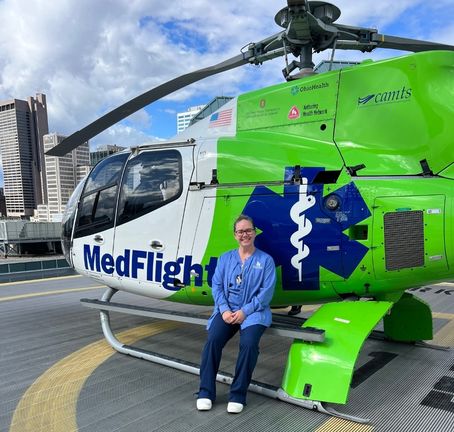
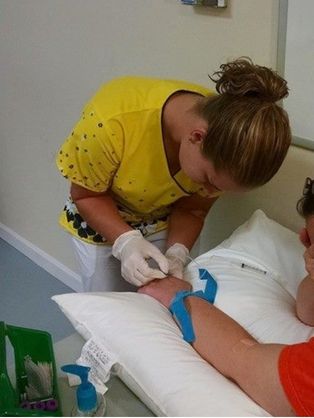
After graduating and moving to Ohio, Bensman wasn’t admitted to the nursing schools she applied to, so she regrouped and trained as a Clinical Medical Assistant. The following year, she applied to nursing schools again, only to receive another round of rejections. She was eventually accepted into a program and became a Licensed Practical Nurse (LPN) in 2020. In 2024, she earned her RN and BS in Nursing degrees. She is currently in the second year of her nurse practitioner (NP) program, working to fulfill the required 750 clinical hours while juggling work. She’s also a mom with a 5-year-old and 2-year-old.
Cheyenne Dyke
Dyke is from Kansas and has been in the medical field for six years. Her path began in a veterinary technician program, but it wasn’t the right fit. She switched to a CNA program, where she thrived. She has been an LPN for the past 3 years, and in December she will graduate with her RN. She is considering becoming an ICU nurse after graduation. “It’s an exciting time for me right now,” she says.
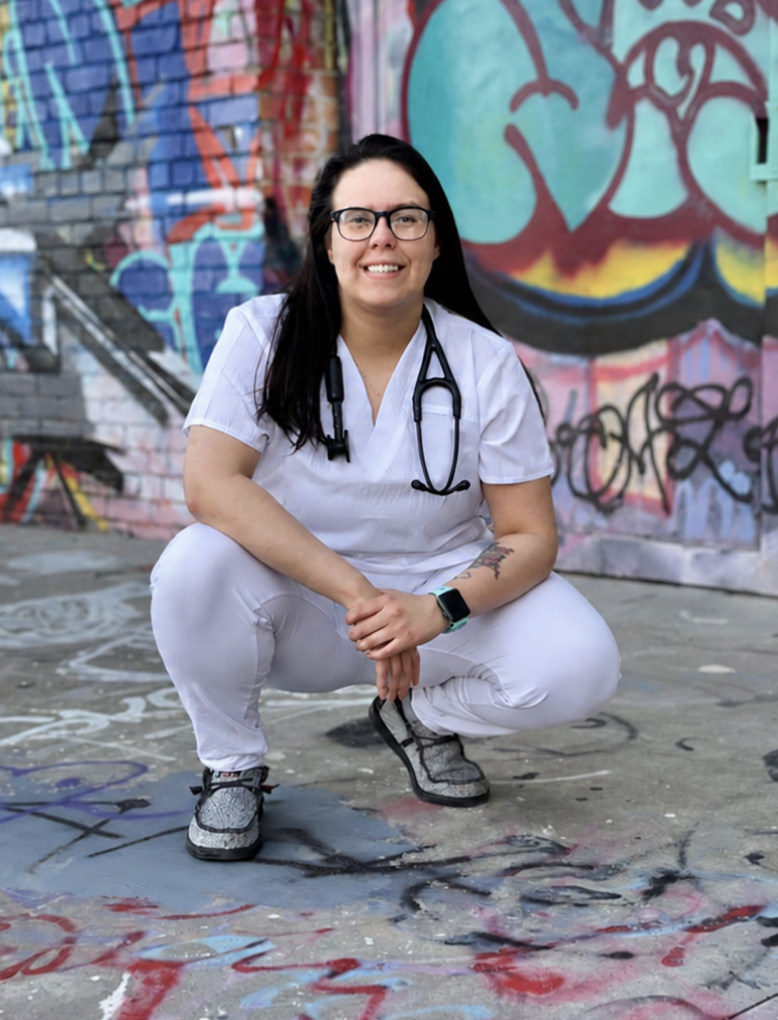
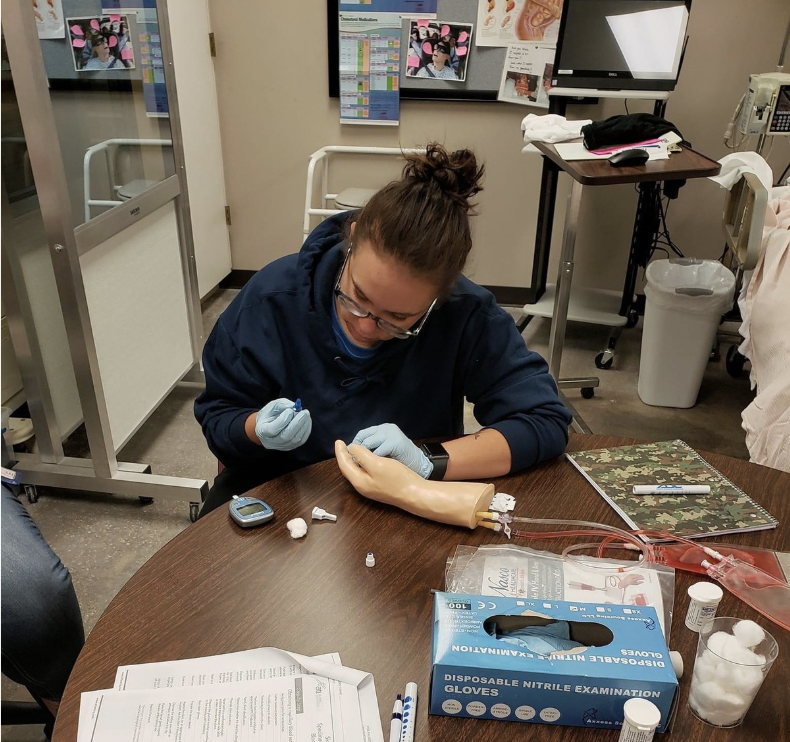
Dyke works at a small hospital, where she is often recognized for her appearance on the local news. During the panel discussion, Dyke shared some of the discrimination she has faced as a deaf nurse. After an instructor agreed that Dyke would not need to use a stethoscope in the LPN program, for example, they changed their mind with only two weeks remaining until graduation. In a last-minute scramble, Dyke worked with the institution’s disability coordinator to purchase a specialized stethoscope, which arrived just in time for her to complete and pass her final assessment.
Words of wisdom
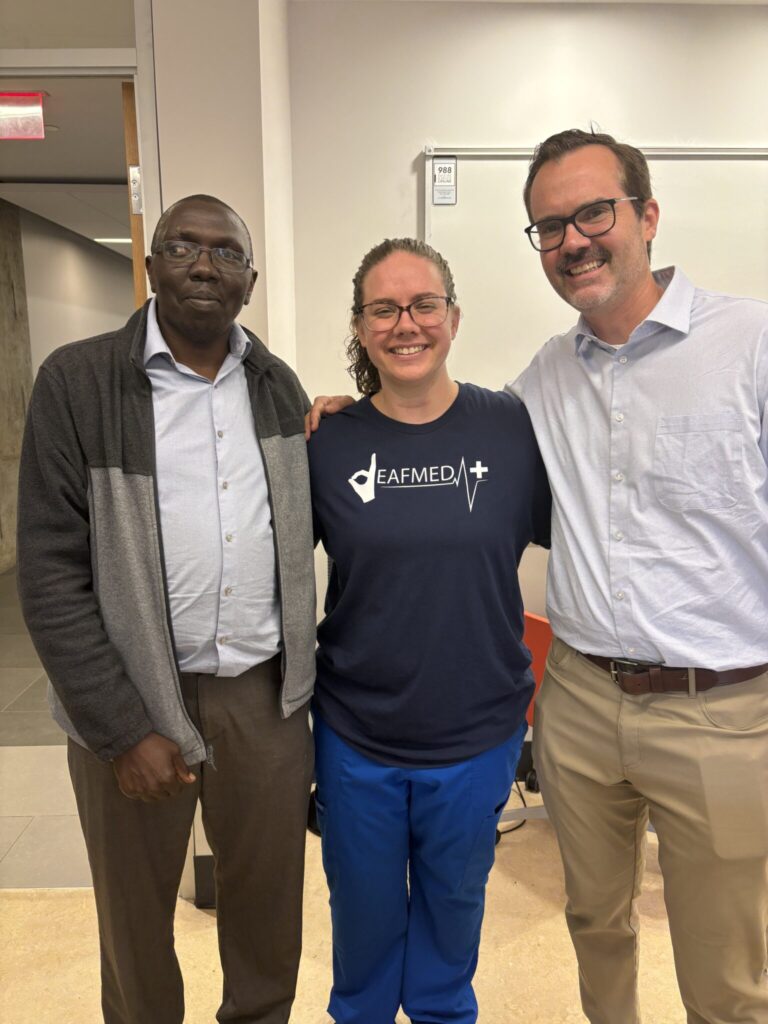
Dyke, Bensman, and Baker are active in the small but growing community of deaf and hard of hearing healthcare professionals. They stay busy at industry events, such as tabling at deaf health outreach fairs, being nurses at camps for deaf and hard of hearing children, and being active on social media. In 2016, Bensman founded an organization, DeafMed, to fill a gap. “I created DeafMed to empower our community in healthcare. We belong here, not just as patients, but as providers,” she says.
The three nurses are also ready with advice and support for deaf and hard of hearing students who are thinking about joining the nursing profession. During the panel event, they emphasized that nursing is for curious people prepared for continuous learning throughout their working careers. Nursing school and training are tough, and there’s an added burden on deaf and hard of hearing students. “Make sure you have the resources to support you through it, accomplish what you want, and walk across that stage for your white coat ceremony,” says Bensman. They suggest that students to take advantage of shadowing programs and rotations, which are critical for understanding what setting is the best fit for them.
Perhaps the most important pieces of advice that these nurses had for Gallaudet students was not to let the word ‘can’t’ ever stop them. Bensman pointed to her T-shirt for emphasis, which reads “Change your can’t to can.”
Next Steps for nursing students
During the panel, Dr. Dan Lundberg, ’02, STAMP School Director, outlined a pathway for Gallaudet students interested in pursuing nursing. Students take 28 prerequisite credits, graduate, and then enter an 18-month accelerated Bachelor of Science in Nursing (BSN) program at Marymount University in Northern Virginia.
Fortunately, these new nursing students would also be able to tap into a growing community of support, the Association of Medical Professionals with Hearing Losses, or AMPHL. The current president of the AMPHL, Dr. James Huang, is also the Director of Gallaudet’s Student Health Services (SHS). He says there are approximately 218 deaf or hard of hearing nurses, based on the AMPHL registry. Bensman recently highlighted 45 of them during this year’s Nurse Appreciation Week.
The panelists are enthusiastic about welcoming new nurses into the fold. “The field is wide open, the opportunities are ripe for deaf people to enter them — don’t miss out on this opportunity,” says Baker.
Interested in healthcare professions? Look into our Biology, Pre-Med track and Public Health programs. The S-STEM program is supported by National Science Foundation Award #2130275.