

Become reacquainted with these nine newly tenured faculty members and their impressive records of scholarship, teaching, and service. Here, each shares what they love about their work at Gallaudet—and how that fuels what they hope to make possible for their students in the years ahead.
Dr. Kenneth DeHaan, Associate Professor, Master of Arts in Sign Language Education (MASLED)
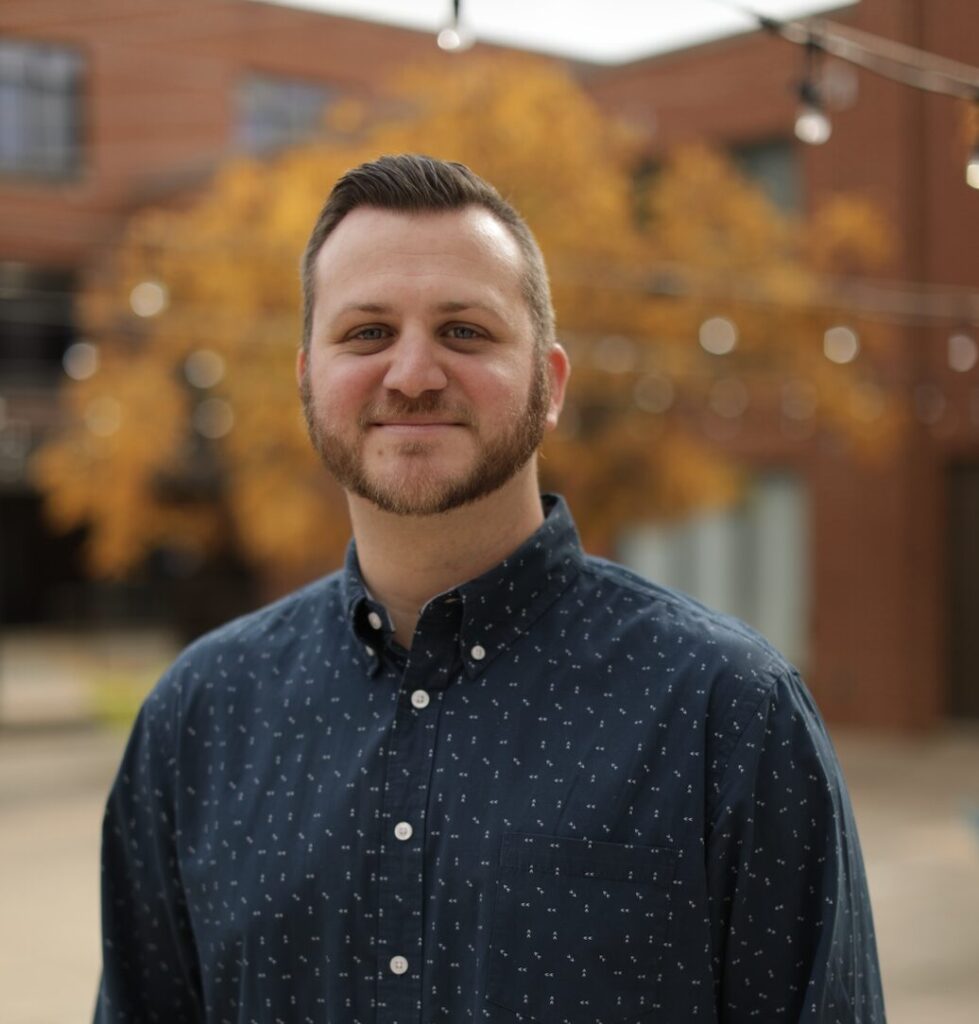
“I want students to leave Gallaudet with more than a degree. I want them to leave with a community, a professional network, a strong sense of belonging, and the confidence to see themselves as contributors and leaders within the global Deaf ecosystem.”
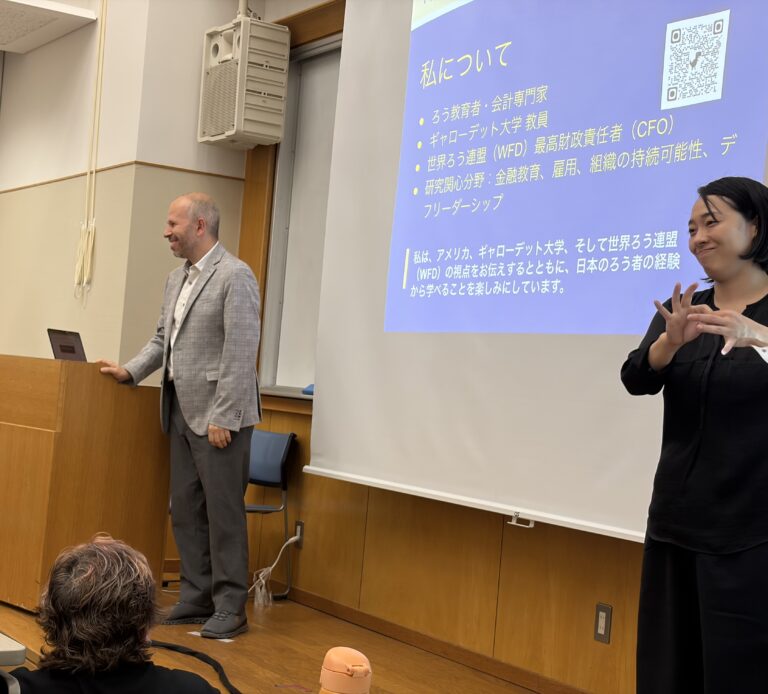
Director of the MASLED program, Dr. Kenneth DeHaan, G-’15, researches the convergence of sign language education, linguistics, and emerging technologies. He has served as a Fulbright Specialist and an invited expert for the United Nations, the FBI’s Targeting and Data Exploitation Unit, and the Dick Thornburgh Forum for Law & Public Policy. Passionate about mentorship and professional preparation, he invests in his students by organizing large cohorts of MASLED students to participate in national American Sign Language Teacher Association (ASLTA) conferences.
“Some of my most rewarding moments are learning that students secured professional positions even before completing MASLED or shortly after graduation, seeing students make connections at national conferences that lead to interviews and career opportunities, or watching graduates step into roles as educators, scholars, advocates, and leaders,” he says.
Another meaningful experience for Dr. DeHaan was seeing MASLED graduate Edgar Ramos G-’23 becoming the first person to deliver a Gallaudet graduate commencement address in Lengua de Señas Mexicana (LSM). “When I see students discover possibilities they had not previously imagined for themselves, that is when I know the work matters,” he says.
He would love to help create meaningful opportunities for students to engage with the broader world. “That means bringing professionals into the classroom, creating fieldwork and experiential learning opportunities, connecting students to conferences and professional networks, developing international partnerships, and opening doors that students may not otherwise know exist,” he says.
MoMo Holt, Associate Professor, Performing Arts
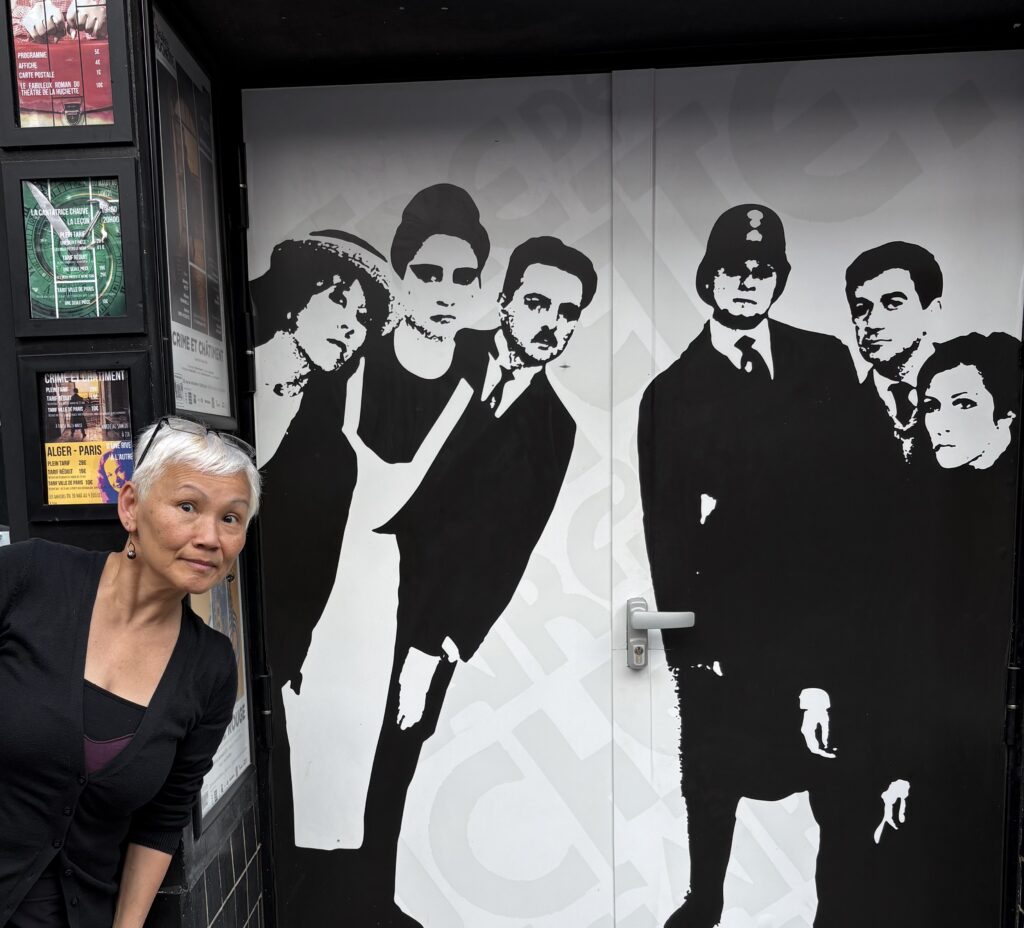
A generous mentor of Deaf artists, MoMo Holt is known for pushing the boundaries of accessibility in the theatre world while supporting theatres in building bridges with the Deaf community and engaging its talent. She is a member of the actors’ unions AEA and SAG-AFTRA and the directors’ union SDC. She is an avid collector of Deaf-written plays and facilitates staged readings and full productions of them.
One such production was one of Holt’s first projects and one of her favorite memories at Gallaudet. Holt says, “I worked with the Hlibok family, a Deaf family, to obtain their blessing for Gallaudet students to direct five of the thirteen plays written by their late son, Bruce Hlibok, E-’84, the elder brother of Greg Hlibok, ’90.”
After they watched the productions, some of which were performed for the first time, the Hlibok family told Holt how moved and impressed they were by the students’ work.
Holt was touched watching her students afterward: “They were smiling, asking the family questions, listening to their stories, and realizing that the work they had been studying and directing was connected to a real person, a real family, and a larger Deaf artistic history,” she recalls.
“Those moments remind me why I teach. It is not only about putting on a production. It is about helping students understand that they are inheriting, contributing to, and shaping the future of Deaf theatre while making an impact on Deaf history, ASL creativity, ASL literacy, and ASL literature.”
Dr. Ryan Lepic, Associate Professor, Linguistics
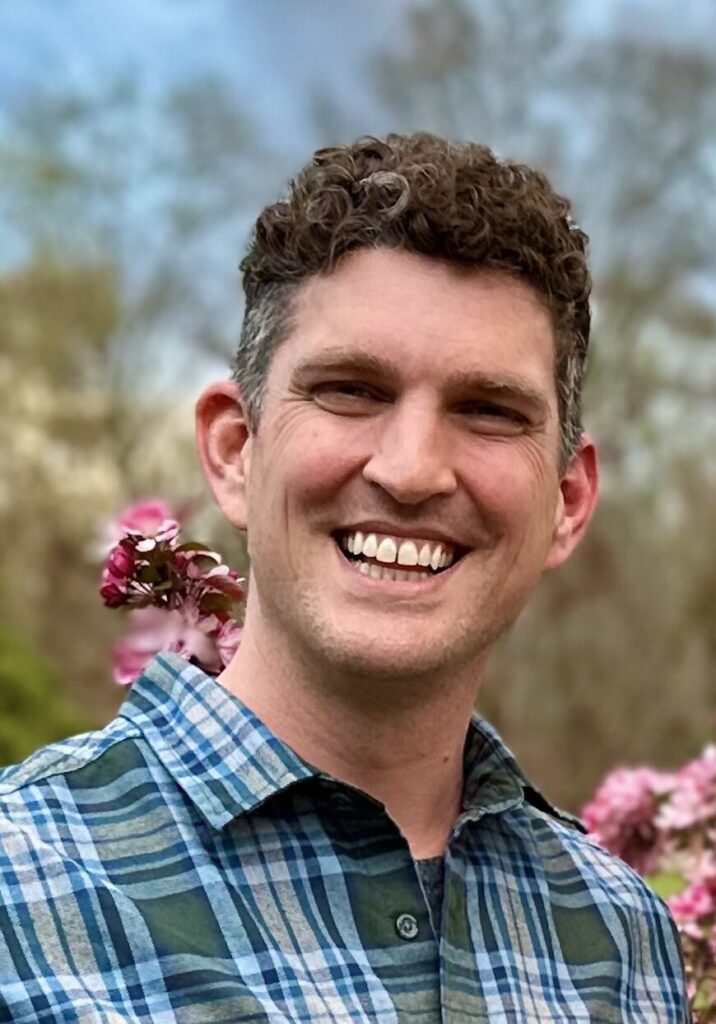
“Gallaudet is a special place. My favorite moments here have been spent with the people who make our community great.”
Dr. Ryan Lepic teaches courses for the undergraduate minor, MA, and Ph.D. programs in Linguistics. He has been a member of Gallaudet’s Council on Graduate Education since 2021, and supported the Gallaudet Honors Program as Curriculum Transformation and Assessment Developer during the 2025-2026 academic year.
His research examines grammatical patterns in ASL using the analytic framework of Usage-Based Construction Grammar. Since joining the Gallaudet faculty, Dr. Lepic has published 10 peer-reviewed articles and book chapters and is a co-author of the forthcoming sixth edition of the “Linguistics of American Sign Language” textbook, published by Gallaudet University Press.
He was also part of a three-year research grant, “Function and form in the ‘what’ family of signs in American Sign Language,” funded by the NSF’s Division of Behavioral and Cognitive Sciences.
Dr. Lepic has a deep appreciation for his colleagues and students in Linguistics. “Our Linguistics Department faculty meetings are full of laughter, and the graduate and undergraduate students that I work with always bring something fresh to our classroom discussions,” he says. “Now more than ever, it is important to remember that we all must invest in the communities we want to be a part of!”
Elizabeth Bowman McLaughlin, Associate Professor, Social Work
“I feel proud knowing our new MSWs are off to apply their knowledge, experiences, and passion for social justice into the world and make a difference in the Deaf community.”
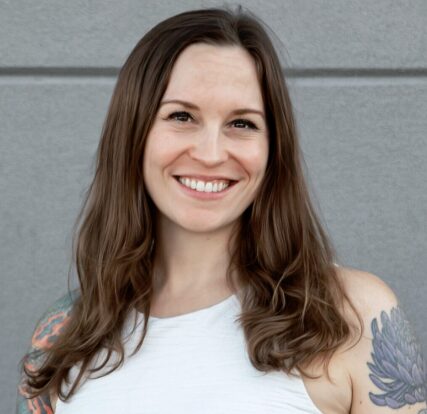
Watching students walk across the stage at Gallaudet’s commencement is one of the best experiences for Dr. Elizabeth Bowman McLaughlin, G-’09. “Seeing that moment is always meaningful because I’ve witnessed the hard work, growth, and challenges our students overcome along the way, and I remember what that felt like when I was a young single mom and an MSW student graduating from our program,” she says.
Dr. Bowman specializes in trauma-informed care and conducts research and training on trafficking prevention with a focus on Deaf community needs and populations. As an expert with lived experience, she serves on the boards of several anti-trafficking organizations. She holds clinical social work licensure in 3 states and is a trained yoga instructor. Dr. Bowman also uses expressive arts as part of a holistic approach to well-being and mental health.
In a perfect world, she wants students to have the resources and sense of belonging they need to thrive, so that each student feels seen and supported in their academic journey. She thinks this is still attainable in our imperfect world, saying, “We can focus on creating spaces where students can find support and connection, especially when they face barriers or challenges outside the classroom.”
Dr. Onudeah D. Nicolarakis, Associate Professor, Education
“I’d love to create a working laboratory that allows students to practice the methods and theories they learn from our classes on young children from the community.”
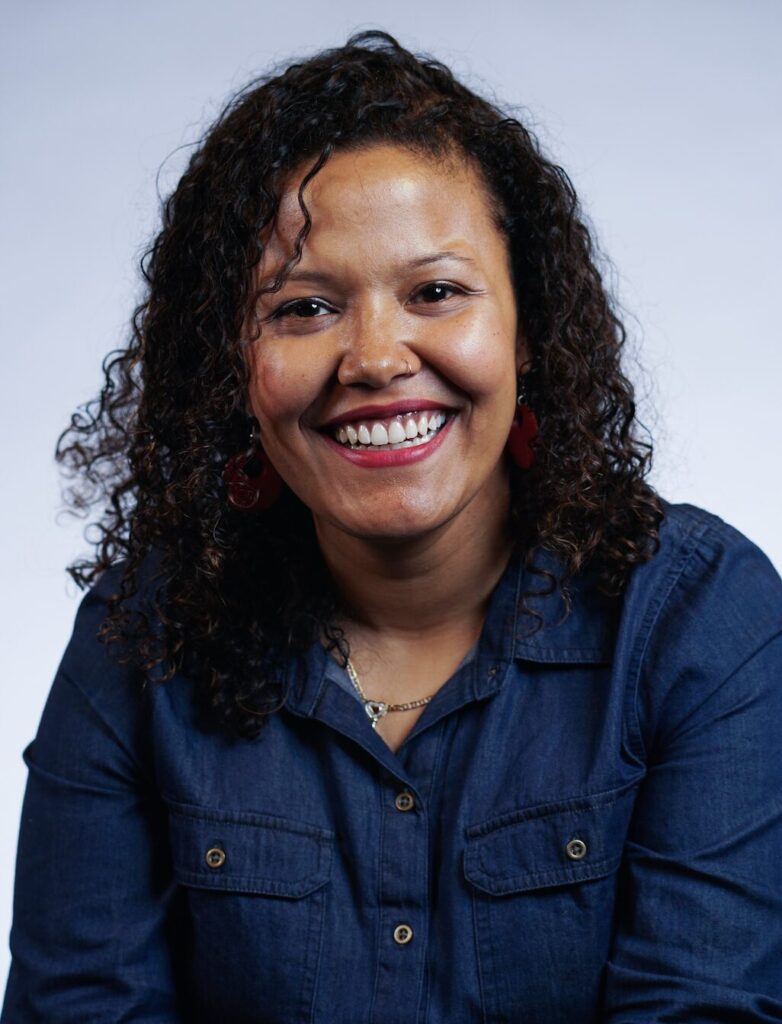
Dr. Onudeah Nicolarakis, ‘04 & G-’06, engages in practitioner-facing scholarship that supports the application of research to educational practice. She says a working laboratory “will give them the confidence and skills to really hone in their teaching–putting theory to practice together. Plus, EVERYONE benefits from additional support and learning.”
Dr. Nicolarakis’ research focuses on language, literacy, and equity, with particular attention to bilingual and multilingual learning environments and the educational experiences of deaf and marginalized communities.
She teaches graduate and doctoral courses in research methods, language and literacy, and family-school-community partnerships. Dr. Nicolarakis’ teaching emphasizes accessible course design, research-informed pedagogy, and anti-deficit approaches to learning in online and hybrid environments.
One of her favorite parts of teaching is a group project in her spring course, EDU 731/609. Assigned to develop a useful resource for home or school communities, students are pushed to be creative in their approach.
“I’m always amazed when I see the end product,” says Dr. Nicolarakis. “The quality of the work and the effort students put into it–just wow! For me, it’s a reflection of how much they cared about their home and school communities and wanted to elevate deaf education in a culturally sustainable way.”
Dr. Oscar Ocuto, Associate Professor, Education
“Experiences I enjoy the most are making connections with my students and getting to know them beyond their school experiences.”
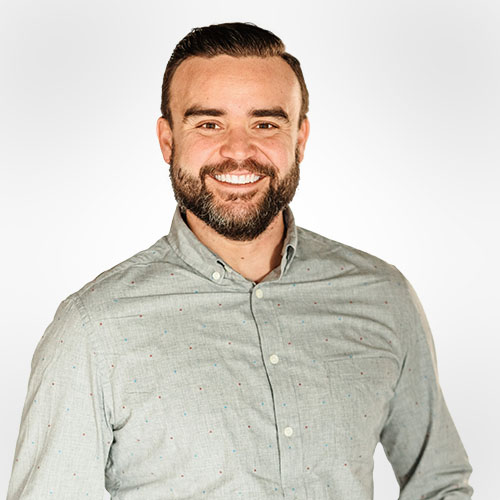
As a faculty member in the Education program, Dr. Oscar Ocuto, ‘02 & G-’03, says that getting to know his students allows him to work better with each of them. “I can provide valuable one-on-one feedback experience, whether it’s a field observation, internship, a one-on-one meeting, or relevant to their academic writing or project-based work in class,” he says.
Dr. Ocuto co-leads the Visual and Innovative Best Practices in Education (VIBE) Lab, which guides doctoral students through the research and publication process.
His research focuses on the home language environments of deaf children and explores the factors that contribute to the development of critical thinking skills in these children. Currently, he is researching parental beliefs about their deaf children’s language development skills. He is a co-author of two forthcoming chapters in Oxford University Press’ “Multilingual Approaches to Deaf Education.”
In a perfect world, Dr. Ocuto would love to create as many opportunities as possible for students to apply their academic learning to real-world contexts. “I believe that students learn better in today’s fast-paced world when they also have opportunities to apply their book or course-based learning to real-life experiences,” he says. As with his own research, he says, “I want students to see research not as something that lives only in journals but as a tool that can improve the everyday lives of Deaf children and their families.”
Dr. Damara Paris, Professor, Counseling
“Seeing students gain confidence, develop their own research interests, and begin to see themselves as contributors to the field has been deeply rewarding. It is a reminder of why I value teaching at Gallaudet so much.”
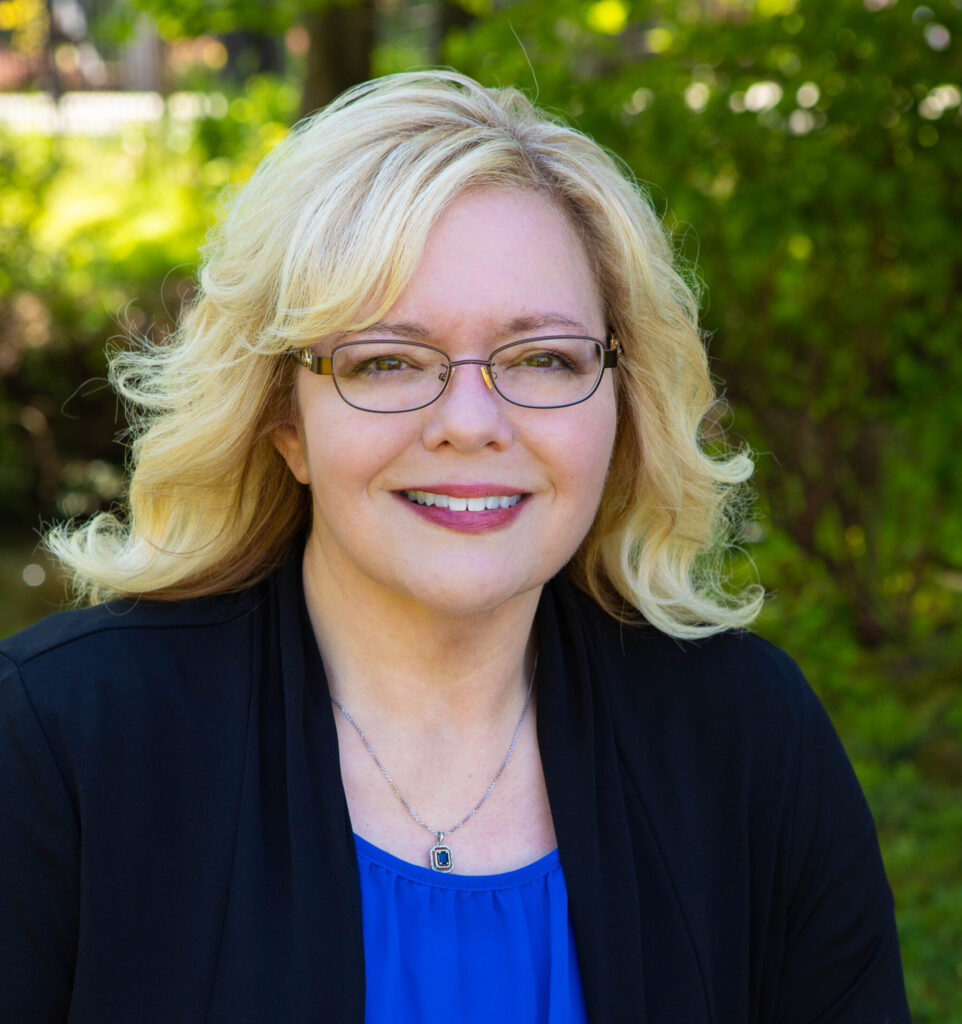
Dr. Damara Paris joined the Counseling faculty last year after an extensive career teaching in both Deaf Education and Counselor Education programs at Lamar University, Western Oregon University, and Emporia State University. In the private and non-profit sectors, she has had roles managing a mental health agency, directing a telecommunications assistance program, and serving as a national marketing director for a corporation.
As Editor-in-Chief of the JADARA, the journal of the American Deafness and Rehabilitation Association (ADARA), Dr. Paris says there is a significant need for research on Deaf individuals, “particularly in mental health and in areas representing the diversity of the Deaf community, including Deaf Plus, LGBTQ+ Deaf, and BIPOC Deaf communities.” Her own research broadly includes Deaf Indigenous issues, mental health issues, and Deaf individuals’ experiences in the justice system.
One of her most rewarding moments so far at Gallaudet was this past Spring semester when she taught research methods, a course she says can be intimidating for graduate counseling students. “I worked to create a safe and supportive space where students could learn the concepts and apply them to issues that are meaningful to the Deaf community,” she says.
Notably, several of her students developed their research into posters that were accepted to the 2026 ADARA conference. Others will continue their research for graduate exit projects. “It was incredibly inspiring to see students move from feeling apprehensive about research to becoming excited about contributing to the body of knowledge,” says Dr. Paris.
Dr. Rachel Pizzie, Assistant Professor, Ph.D. in Educational Neuroscience Program
“It’s such a joy to watch my students immerse themselves in neuroscience and develop into independent researchers with incredible insights and skills.”
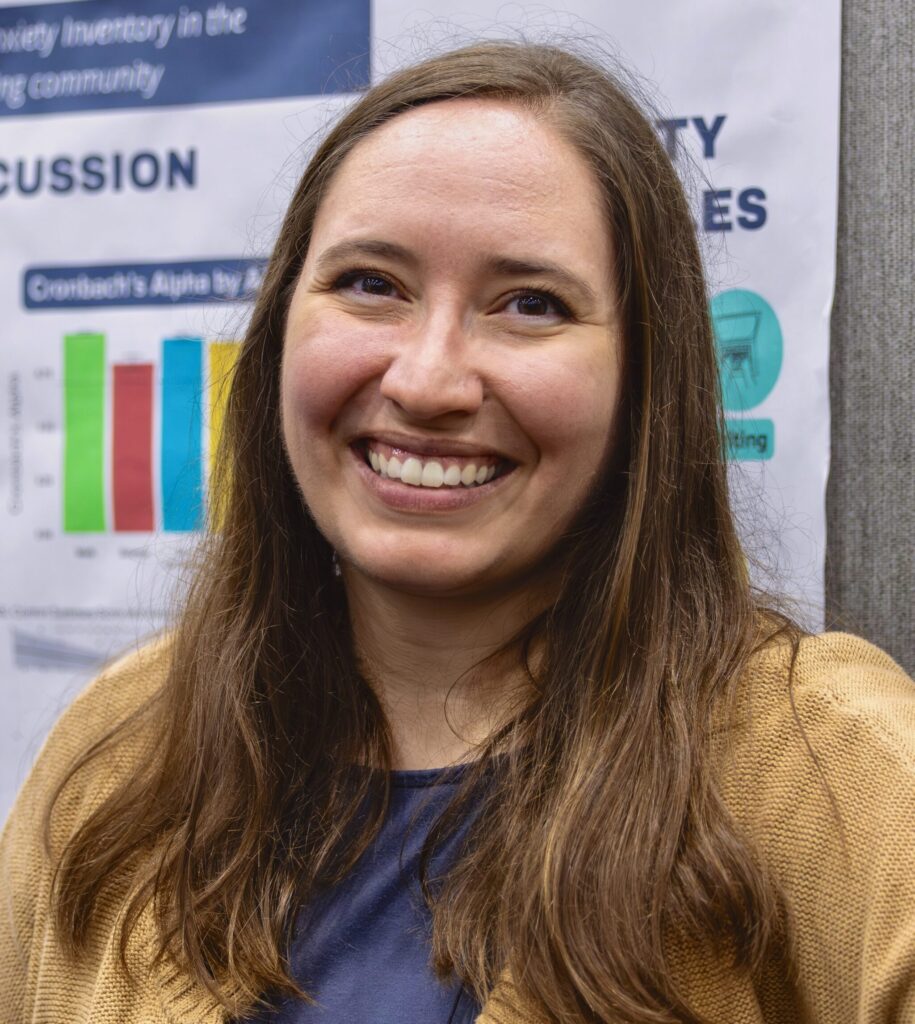
Dr. Rachel Pizzie teaches in the PhD in Educational Neuroscience Program, but enjoys advising and mentoring research projects for undergraduate and doctoral students across a variety of programs, including psychology and linguistics. She loves to watch her doctoral students grow into her colleagues. “It often strikes me how much they’ve grown when we meet to discuss analyses or results: they lead the discussion of our findings, propose next steps and new ideas, or ask a rigorous, insightful question that demonstrates their deep understanding of the research,” she says.
As director of the Cognitive and Affective Neuroscience (CAN) Lab, her team explores how negative emotions like anxiety create challenges for learning and academic success among Deaf students, and what increased anxiety can mean for their STEM and language outcomes.
Dr. Pizze also coordinates the Certificate in Educational Neuroscience (CEN) Program and the PEN internship program. She is a co-Investigator on an NSF Research Experiences for Undergraduates grant (CENTRE) and two NSF conference grants that support international conferences hosted at Gallaudet.
In a perfect world, Dr. Pizzie would love to create an environment that values learning, growth, and insight. “In education, it can be easy to focus only on an outcome or endpoint. I hope we encourage students to enjoy the journey and the process of development and growth, and to recognize the value of their own knowledge in their lives,” she says.
Dr. Kathryn Wagner, Associate Professor, Psychology
“Seeing students enter the program unsure of themselves and then graduate as thoughtful psychologists who go on to serve the Deaf community is incredibly rewarding.”
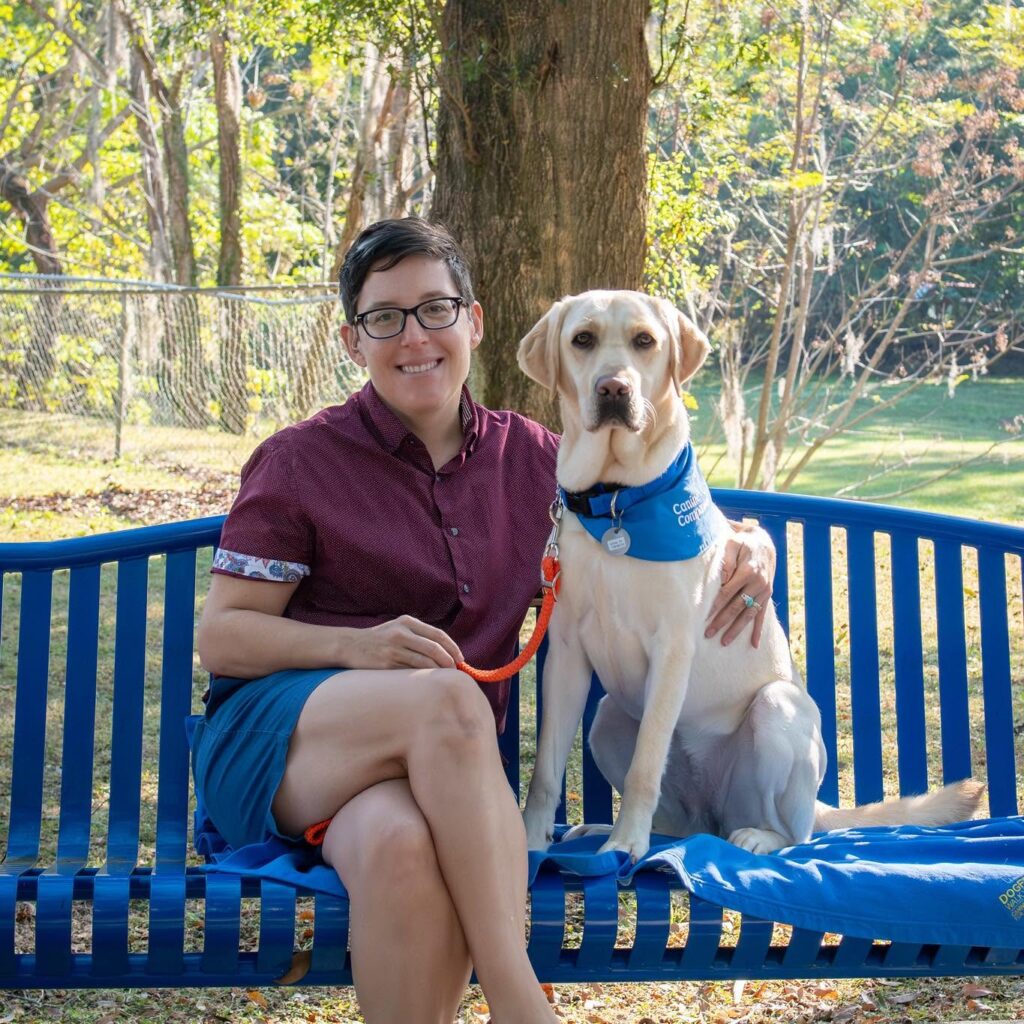
Faculty member in the clinical psychology doctoral program, Dr. Kathryn Wagner sees this growth firsthand. Their teaching, research, and clinical work focuses on advancing healthcare and education for minoritized populations, including Deaf and Hard of Hearing (DHH), disabled, and LGBTQ+ communities.
Dr. Wagner has facilitated trauma-informed faculty mentoring and consults external organizations seeking to improve the effectiveness of therapy and assessment services for DHH populations. They recently received a grant from the Council of University Directors of Clinical Psychology (CUDCP) to study the clinical training experiences of deaf and hard of hearing psychologists during their doctoral studies. They co-wrote a chapter in “Deaf Mental Health: From Theory to Practice,” which was released this past spring.
In a perfect world, Dr. Wagner would love to see full funding for tuition and research for clinical psychology graduate students. “In our imperfect world, I want to help our grad students leave Gallaudet with the confidence that they belong in this field. While I may not be able to eliminate all financial or systemic barriers, I can mentor students, support their research, and help open doors that might otherwise seem out of reach,” they say.
And it’s always great to connect with alumni! “I also love hearing from former students after graduation about the work they’re doing and knowing I had a small role in helping them get there,” says Wagner.