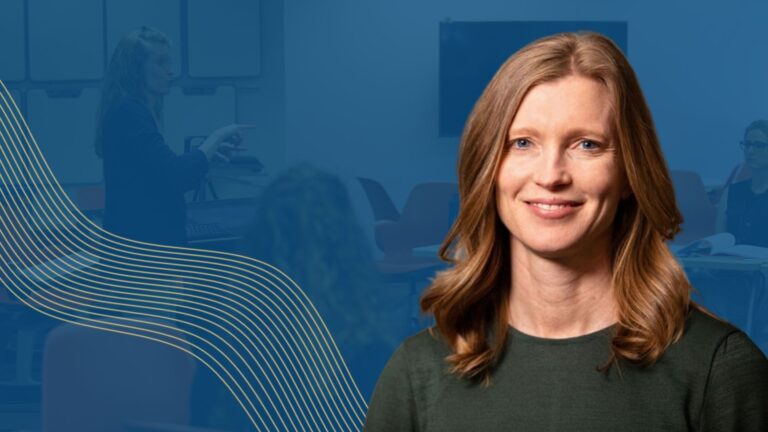



As a graduate student, Professor Deanna Gagne took a gastronomy class that pretty much blew her mind. “We learned about chemical reactions of sugar reacting to heat, political movements that impacted what people ate, and historical figures who changed food forever,” she says. This in-depth, interdisciplinary, and fun learning, which highlights unlikely connections and perspectives, is just the kind of exploration Gallaudet’s Honors Program encourages.
This year, the much-loved Honors Program unveils a redesign that taps into its own success: intentional community building, an innovative and flexible curriculum, and an inherent love of learning, fuelled by curiosity.
Neila Eaddy, ’26, graduated last year after time with the Honors Program. The first-year student at Suffolk University Law School credits it for preparing her well. “The level of commitment and dedication I learned with the support of the Honors Program faculty has allowed me to feel more confident with my current journey as a law student and young professional. I do not think that I would be where I am today if not for the individuals I have met during my time in the program, and the experiences it has allowed me to have,” she says.
It’s an honor to have you
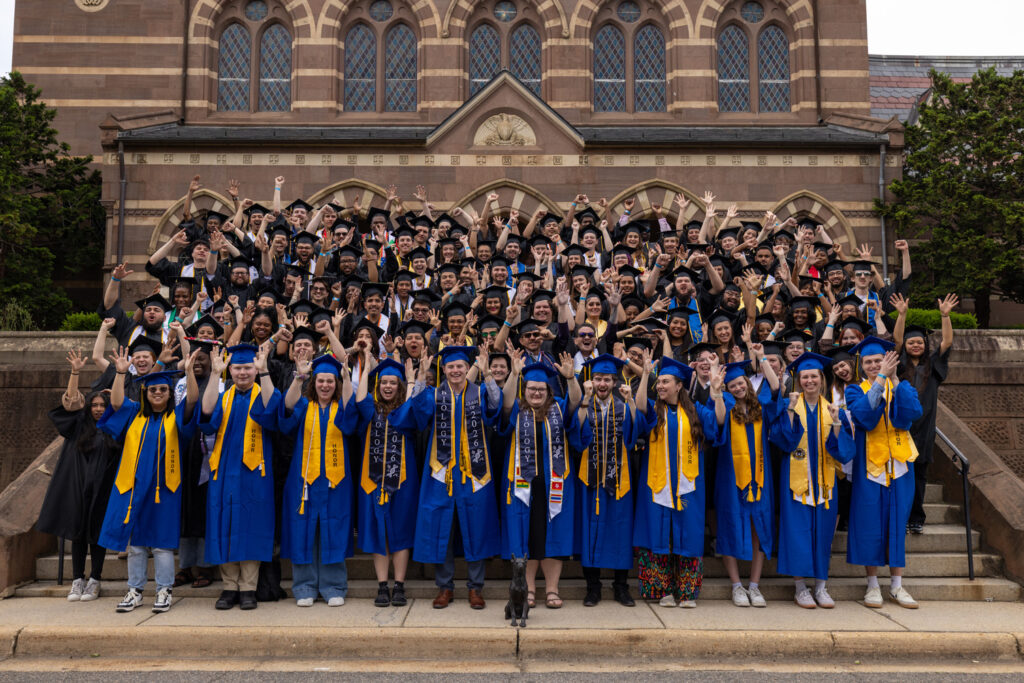
To get the words “University Honors” printed across their transcript, a gold seal emblazoned on their diplomas, and a distinctive gown for commencement, honors students must complete at least 18 credits of honors coursework and present a final capstone project, all while maintaining at least a 3.40 GPA. Their hard work is rewarded with one of the most prestigious academic accomplishments at Gallaudet.
The magic of the Honors Program lies in the enthusiasm of both faculty and students. “It is an amazing experience to interact with and debate people who have different skills, strengths, and interests than your own,” says Honors graduate Paige Watson, ‘18.
Casey Johnson-Pasqua, ‘18, joined the Honors Program when she enrolled at Gallaudet. “It challenged me far more than I expected and in ways that went beyond academics,” she explains. Some of her closest friends are those she met in the program. “The Honors Program brings together a cohort of students who genuinely want to learn, grow, and challenge themselves. You are surrounded by peers who push you to think differently, engage in deeper discussions, and hold yourself to a higher standard. And because you experience that together over four years, those relationships become incredibly meaningful.”
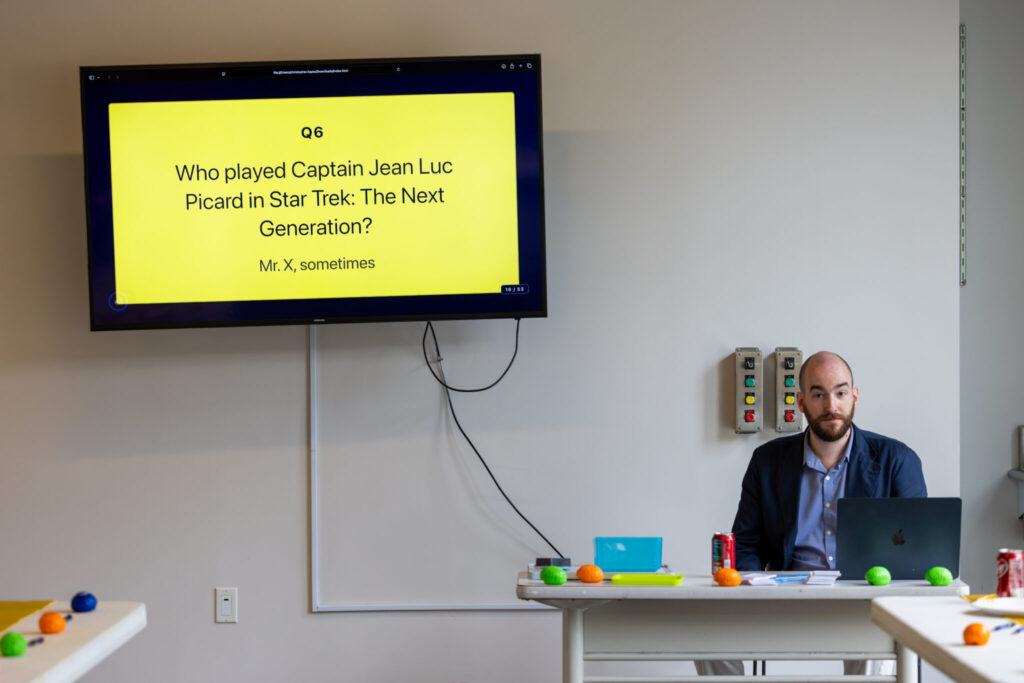
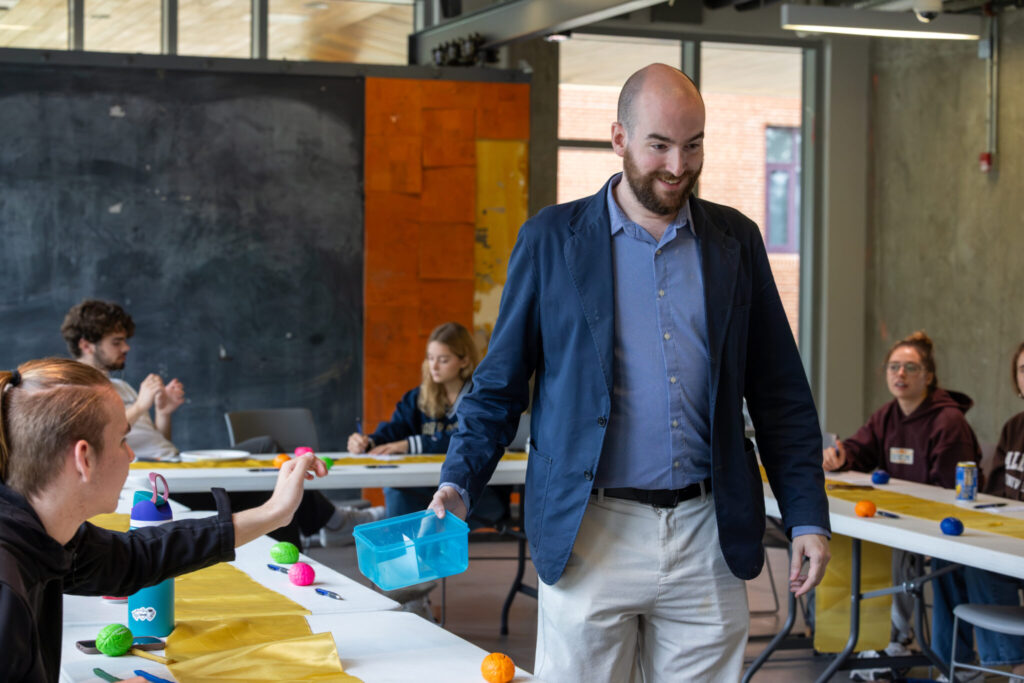
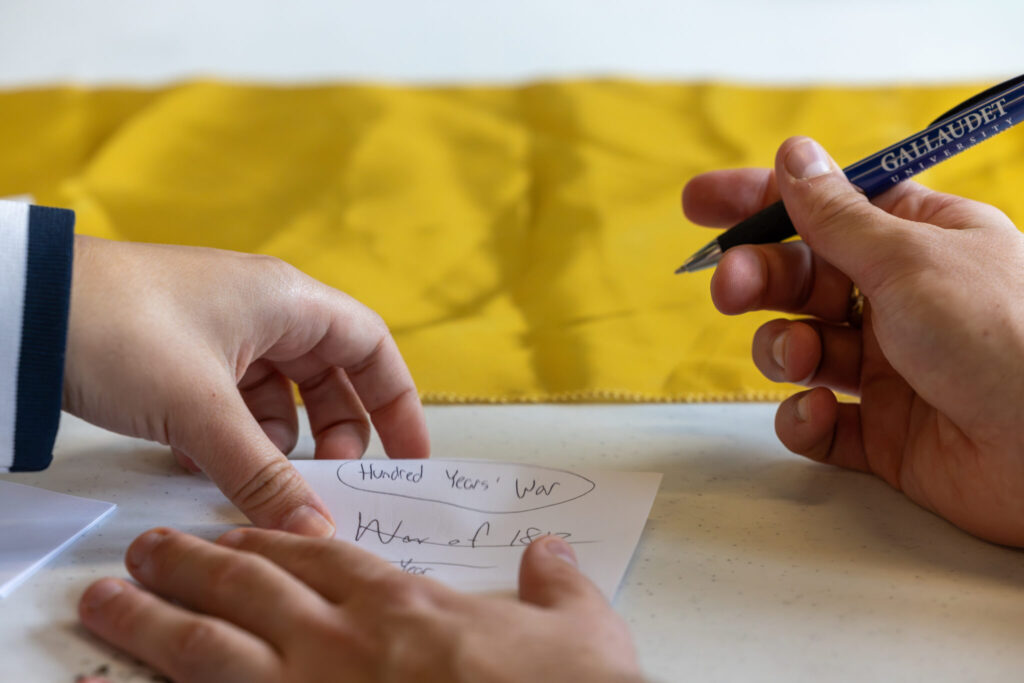
A recent Hump Day trivia lunch is one of the ways the Honors Program builds community.
Honors Program benefits also include access to a 24/7 Honors space (currently in the HMB basement) that helps students find one another. There, they can also meet with program directors and members of the Honors Council, a group of distinguished faculty who support Honors students throughout their years at Gallaudet. Regular newsletters and social and academic events foster a tight-knit community of learners. Students can also take advantage of early course registration and have a dedicated financial aid point of contact.
Making a good thing even better
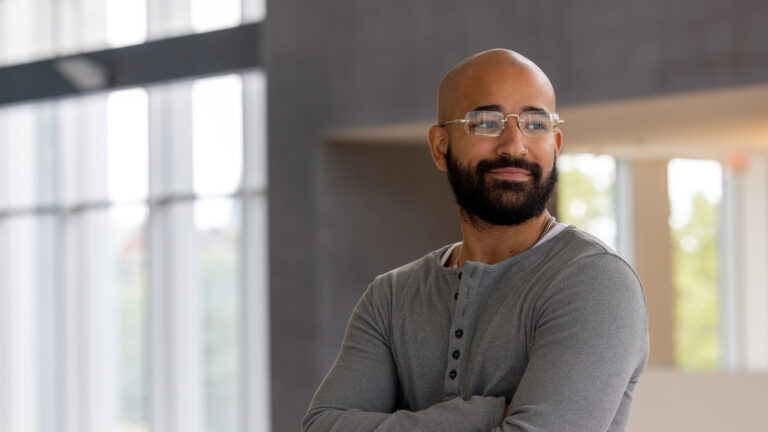
Central to the Honors Program redesign is new leadership. Dr. Deanna Gagne, Associate Professor of Linguistics, is the new Director, and Dr. Christopher Hayes, ’12, Associate Professor in the Mathematics and Data Science program, is Assistant Director. They replace Director Dr. Jennifer Nelson, who recently retired, and Assistant Director Dr. Kirk VanGilder.
VanGilder, who now serves on the Honors Council, says some of the changes he and Nelson made in previous years were to allow for flexibility, like onramps for transfer students, and accommodating students who wanted to graduate in less than four years. “But this didn’t fully transform the curriculum to the flexibility it needed, and some of the changes in how teaching and learning were being done since the pandemic necessitated another overhaul,” he says.
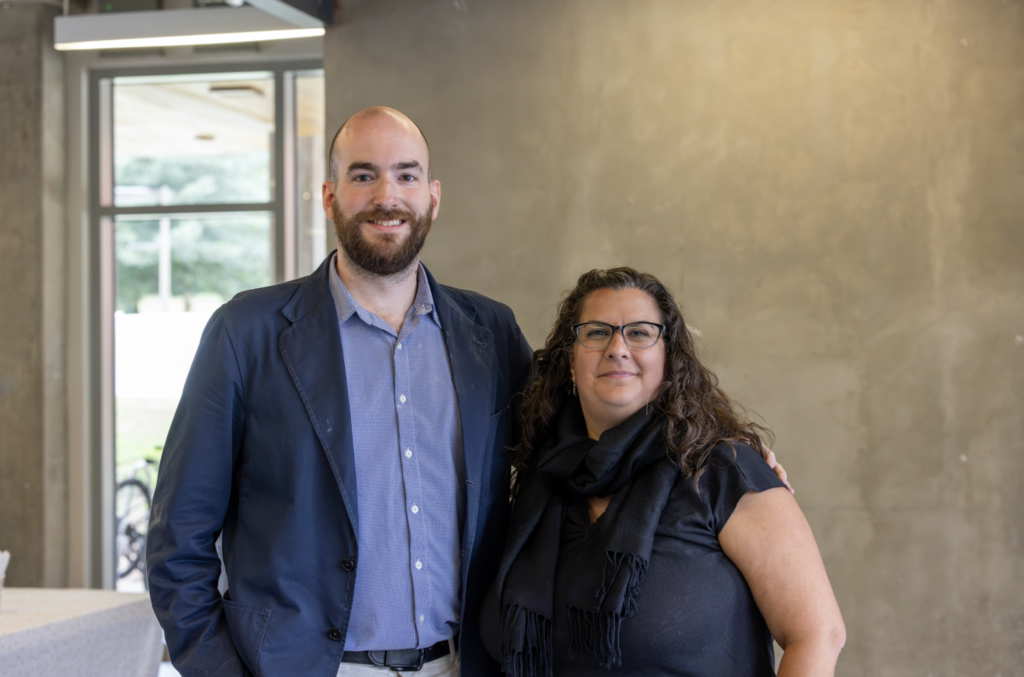
Last year, Gagne led a review to ensure the program was meeting students’ needs. Associate Professor Dr. Ryan Lepic worked with her, holding conversations with former and current Honors students, faculty members, the Dean of Faculty, and the Provost. He says, “We all want to see the students in the Honors Program thrive, and Dr. Gagne had a clear and exciting vision about this from the start.”
Founded in 1981, the Honors Program has long prioritized the growth of a strong community of learners and an innovative capstone experience. Associate Professor, Dr. Geoffrey Whitebread, ‘04 & G’06, says, “The new vision is about developing a more well-rounded experience: it accelerates the professional focus while also focusing on personal development, appropriate for a program serving students who grew up with the disruptions of COVID.” Whitebread compiled a brief history of the program, worked as Honors Program Coordinator for 13 years, and now serves on the Honors Council.
“Students’ needs have changed: they have more responsibilities, and more stress. Some are in a hurry to graduate early, while others need more time. Now the program offers a flexible timeline that accommodates different plans, project timelines, and paces,” explains Hayes.
The Honors Council, front and center
In the redesign, Honors Council members are more student-facing in their engagement with students and involvement in the capstone process. They host office hours in the Honors space and events such as “Council Connections,” featuring chat time over coffee, tea, and treats. This year, Council members are: Dr. Pamela Collins, ’07, G-’11, & PhD ’20; Dr. Dan Lundberg, ’02; Dr. Deborah Schooler; Dr. Tonya Stremlau; VanGilder; and Whitebread. Honors Council members also serve as advisors to Gagne and Hayes, who are working to expand the Council to 10 members to better represent departments and concentrations across campus.
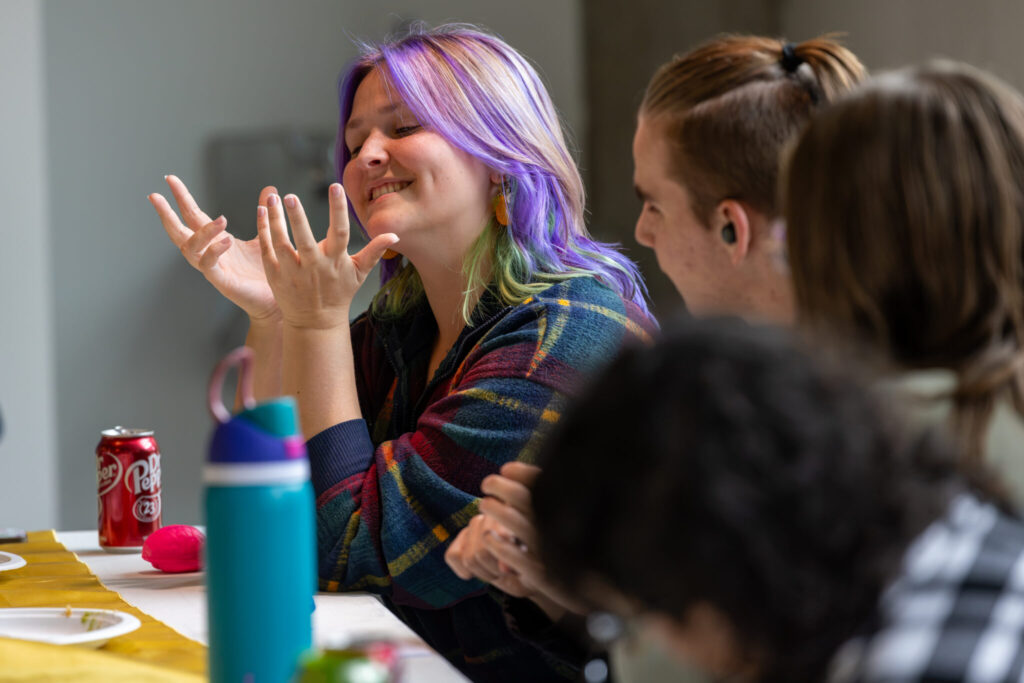
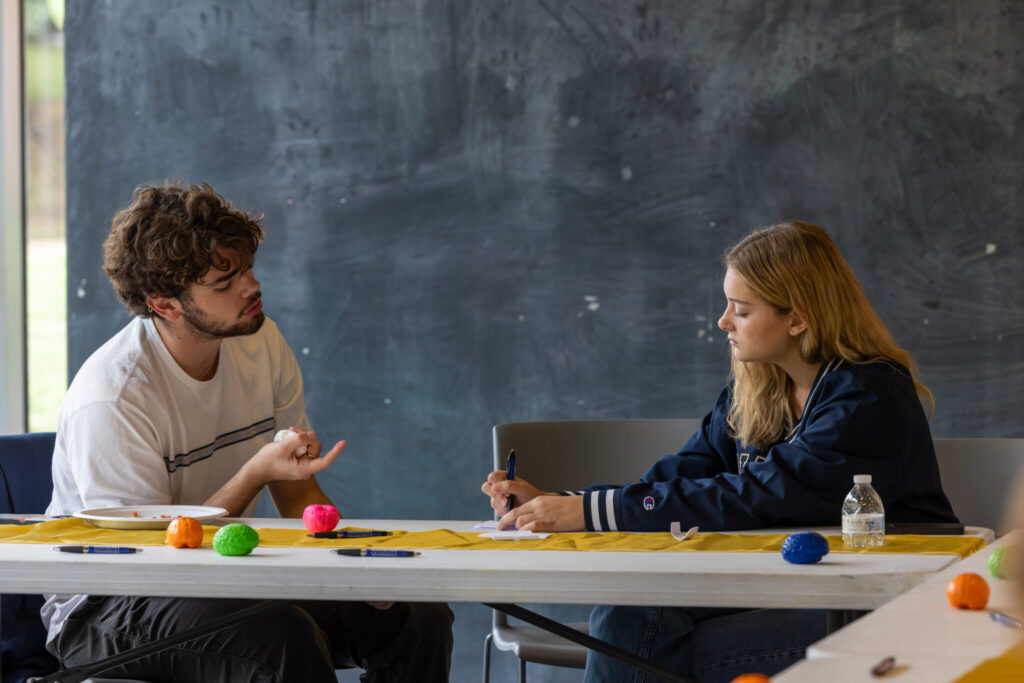
Honors students make friends and build connections with one another.
Curricular tweaks
In order to build community with their cohort, explore interests, and better understand the world of academia, all Honors students take 2 courses during their first year: Honors Critical Reading, Writing, and Integrated Learning, and First Year Seminar Part 2. Over the next two years, they take at least three Honors electives, finalize a capstone mentor agreement, and write a 5-10 page capstone project proposal. Then, in years three and four, students focus on their capstone research, writing, and presentation before they graduate.
Before the redesign, each Honors student was required to work with instructors to enhance courses through agreements, or contracts, that augmented standard assignments. Instead of contracts, students now choose three of five electives, which allow them to bolster their learning in their majors or try something totally new. The electives are:
- An honors seminar, focusing on interdisciplinary topics
- A hands-on research methods course
- An internship course for students to engage directly with scholars or professionals
- A course for students to plan and take an experiential excursion
- A graduate-level class at Gallaudet, or a class in the Consortium of Universities of the Washington Metropolitan Area.
One new elective in particular is creating a lot of buzz: the experiential excursion. In the fall, interested students research two potential locations their class could journey to. They must create and present a proposal to the Honors Council that outlines a budget and the academic benefits of that destination for each student. The Council then determines the destination, based on the strength of the proposals. Over the course of the spring, students plan the entire trip, which they take together after finals.
Capping it all off
Considered the crowning achievement of the program, the Honors Program capstone is beloved by many faculty, alumni, and students. The Honors Handbook describes the capstone as “a beginner graduate-level project or an entry-level professional project.” Giving students experience in research, creative control, and academic review, the capstone is uniquely its maker’s product.
“From the first day of the proposal class to the final presentation, I was able to pursue a project I genuinely cared about and take ownership of every part of the process. For the most part, I was excited to work on it because it was my research, my ideas, and ultimately my final product,” says Johnson-Pasqua, who directed an adaptation of Medea for her capstone project.
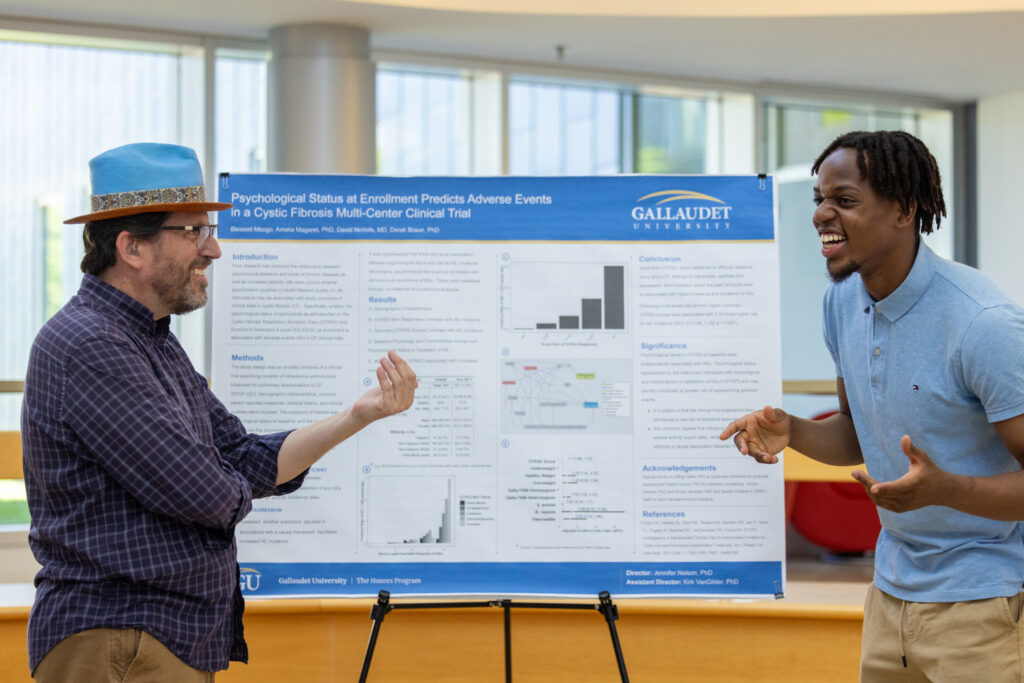
Eaddy conducted research about Deaf elders, and says, “It truly gave me an opportunity to look at gaps within my community, and think of ways they should be addressed or recognized so that more support can be brought to them. Doing my capstone also solidified my career goals, helped me realize what I truly prioritize as an academic, and connected me with amazing individuals I would not have met otherwise.”
Linguistics Professor Ryan Lepic facilitated the capstone course in Spring 2025. Since one of his favorite parts of being a professor is conducting research, he says, “It was such a rewarding experience to work with students as they finished their capstone projects, presented them as posters on campus, and submitted their final written versions to the Gallaudet University repository.”
The spirit of the honors program fuels the future
Watson says the Honors Program gave her a foundation she uses in her job as an archivist at the Gallaudet University Archives. “It strengthened my research skills, which in turn helps me support our researchers with their fascinating (and sometimes niche) questions. Another benefit was interpersonal skills. Through my capstone, honors contracts, and honors coursework, I interacted with a wide variety of people and learned from each of them. Today, I do the same, working with faculty, students, alumni, researchers, and donors,” she says.
Johnson-Pasqua, now Gallaudet’s Youth Programs Coordinator, carries the sense of community and work ethic she gained in the Honors Program with her today. “The Honors Program taught me self-initiative and to take ownership of my work. I learned how to start projects and assignments without needing someone to prompt me, while also learning how to prioritize my responsibilities, manage deadlines, and make sure the work I produce is something I can be proud of. Those skills continue to shape how I work today,” she says.
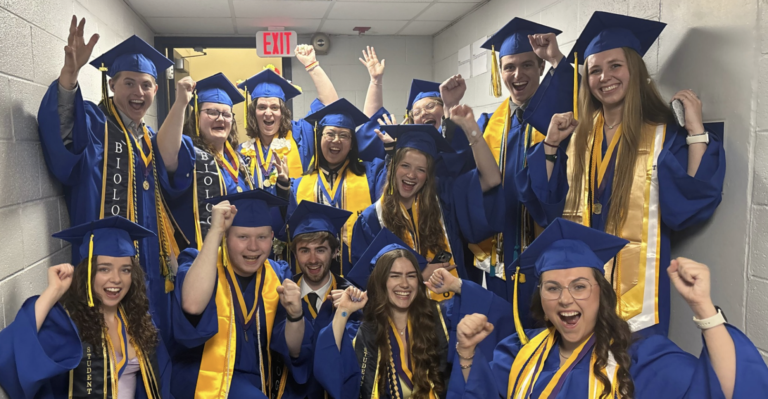
The icing on the cake is wearing that distinctive Honors swag at Commencement. Many students would agree with Johnson-Pasqua when she says, “For me, that gown represented more than completing a program; it was a testament to the time, energy, creativity, and hard work I had invested throughout my four years.”
Want a challenge that could transform your life? See if the Honors Program is the right fit for you.