

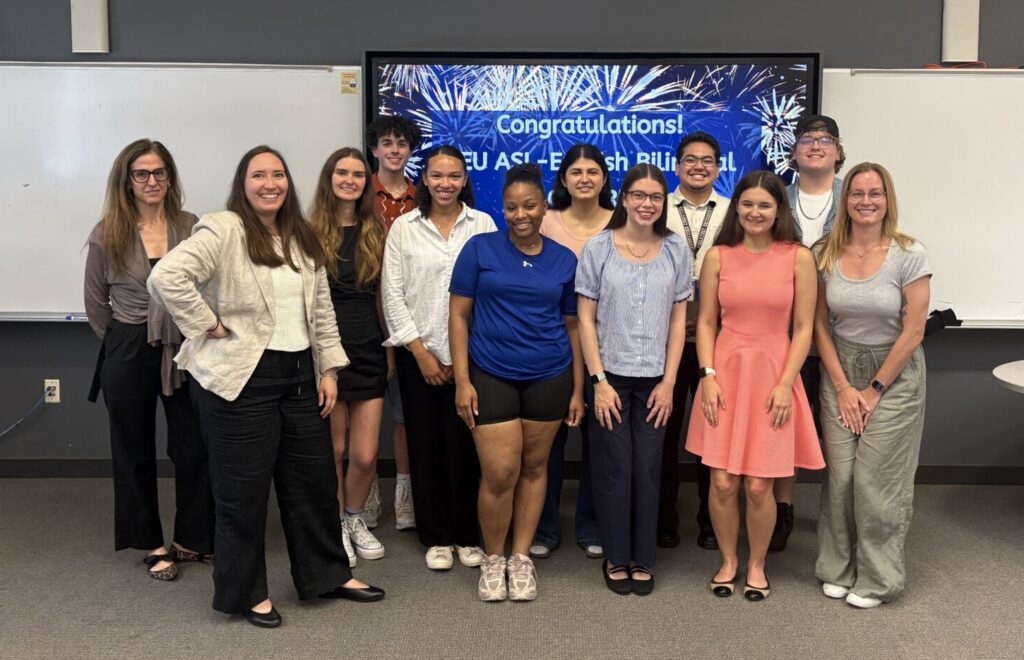
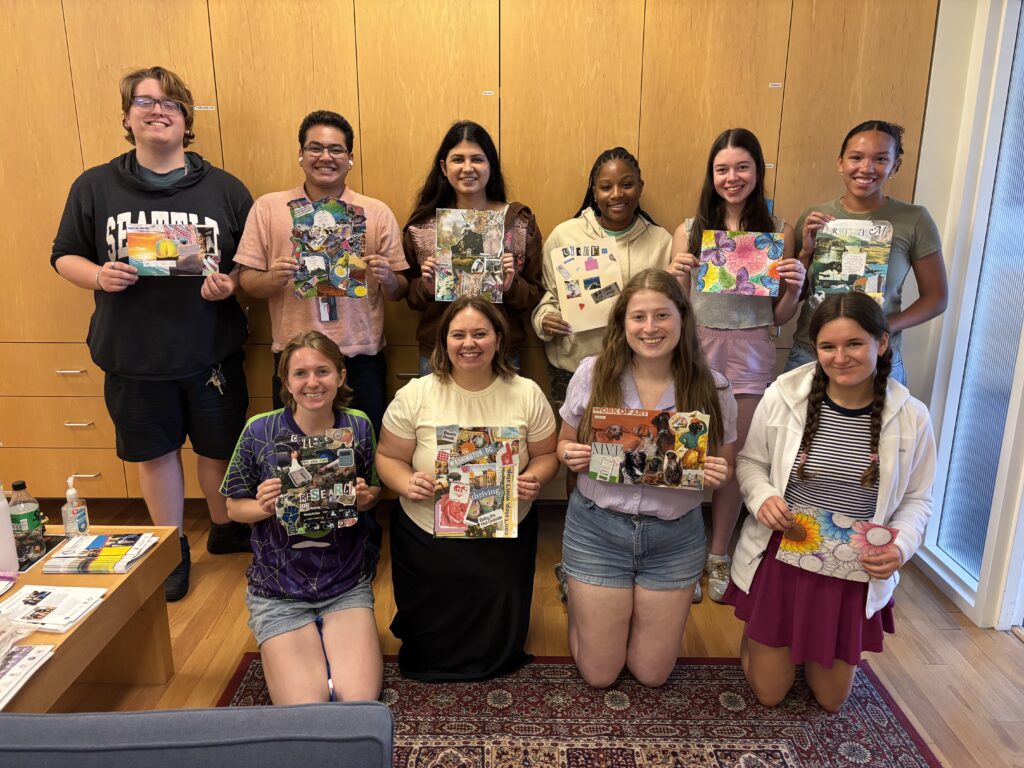
This summer, eight undergraduate students channeled their curiosity into new skills through Gallaudet’s third ASL-English Bilingual Cognitive and Educational Neuroscience Training and Research Experience (CENTRE) program.
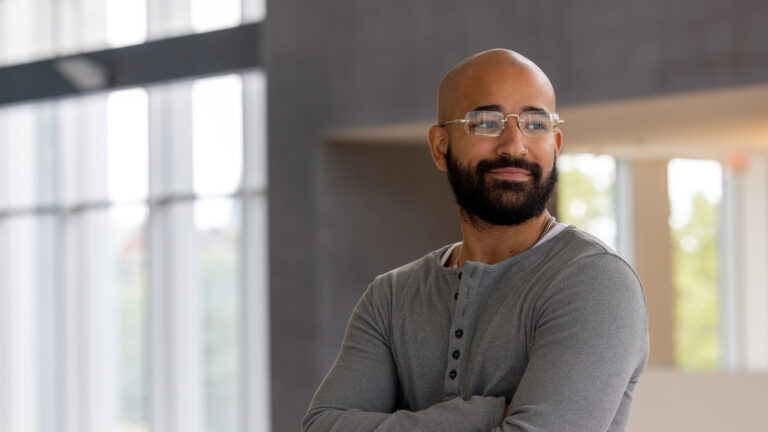
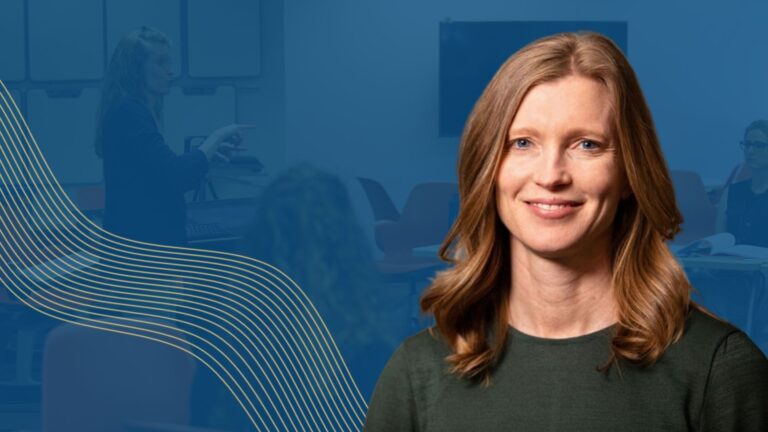
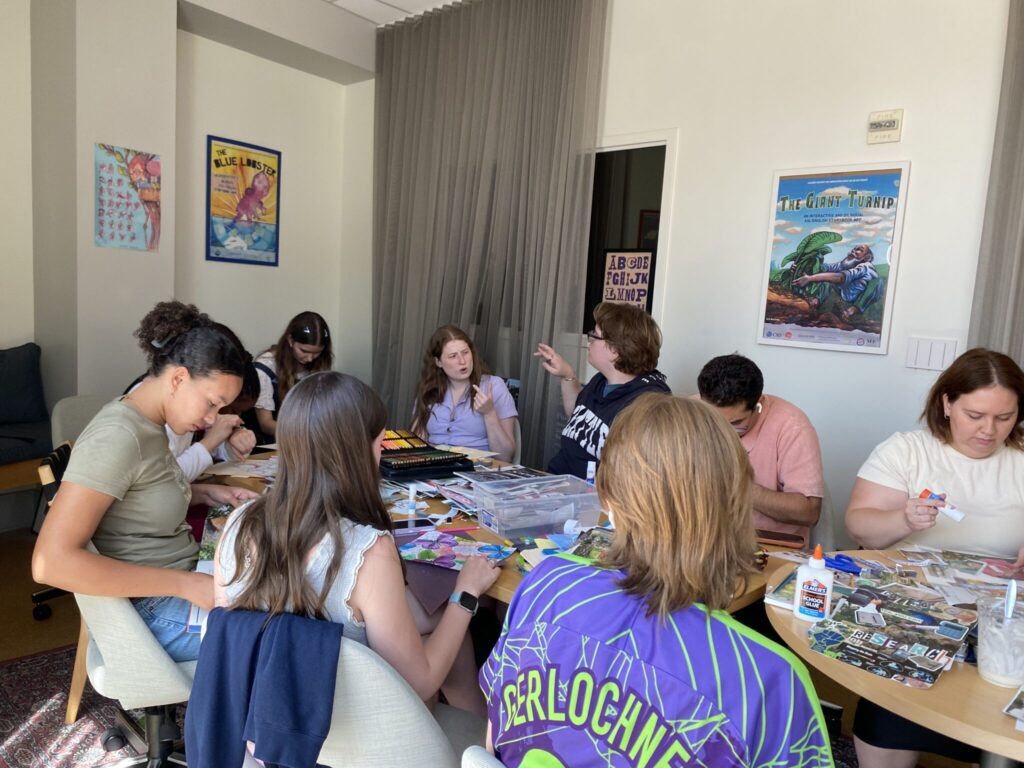
Each student received individualized mentoring and became integrated into either Dr. Ilaria Berteletti’s Numeracy and Educational Neuroscience Lab, Dr. Rachel Pizzie’s Cognitive and Affective Neuroscience Lab, or Dr. Lorna Quandt’s Action and Brain Lab.
Ciarra Tate, an Audiology student studying at Gallaudet, especially enjoyed working with CENTRE mentors and grad students, saying, “They were supportive, encouraged questions, and helped me grow as both a researcher and a student. It was exciting to see how neuroscience, ASL, and technology can come together to answer meaningful questions.”
Training in techniques of the trade
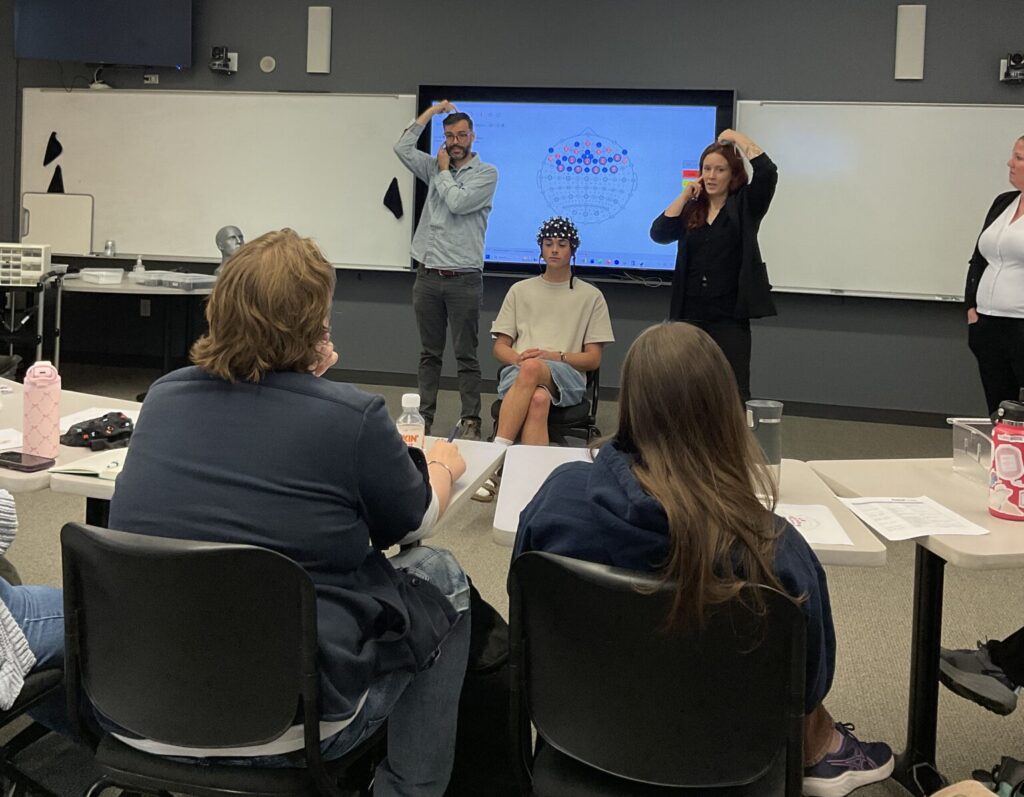
Students also got hands-on training in cognitive neuroimaging methods off campus. At Georgetown University’s School of Medicine, Director Dr. Ashley Van Meter hosted students at the Center for Functional Molecular Imaging (CFMI), where they conducted scans and collected fMRI data. To learn how to analyze the data, students then worked with Dr. Paul Taylor, Director of the Scientific and Statistical Computing Core at the NIH, a unit that supports MRI-related neuroimaging research there. In Pizzie’s lab, some students also went to the University of Maryland’s Neuroimaging Center to collect MRI data.
Maddie Gerlach, a student from the University of Virginia’s College at Wise, says data collection was a highlight of her summer at Gallaudet. “It was really interesting for me to see how a research lab actually works, and I actively got to run participants, which gave me a better idea of what ‘real science’ looks like,” she says.
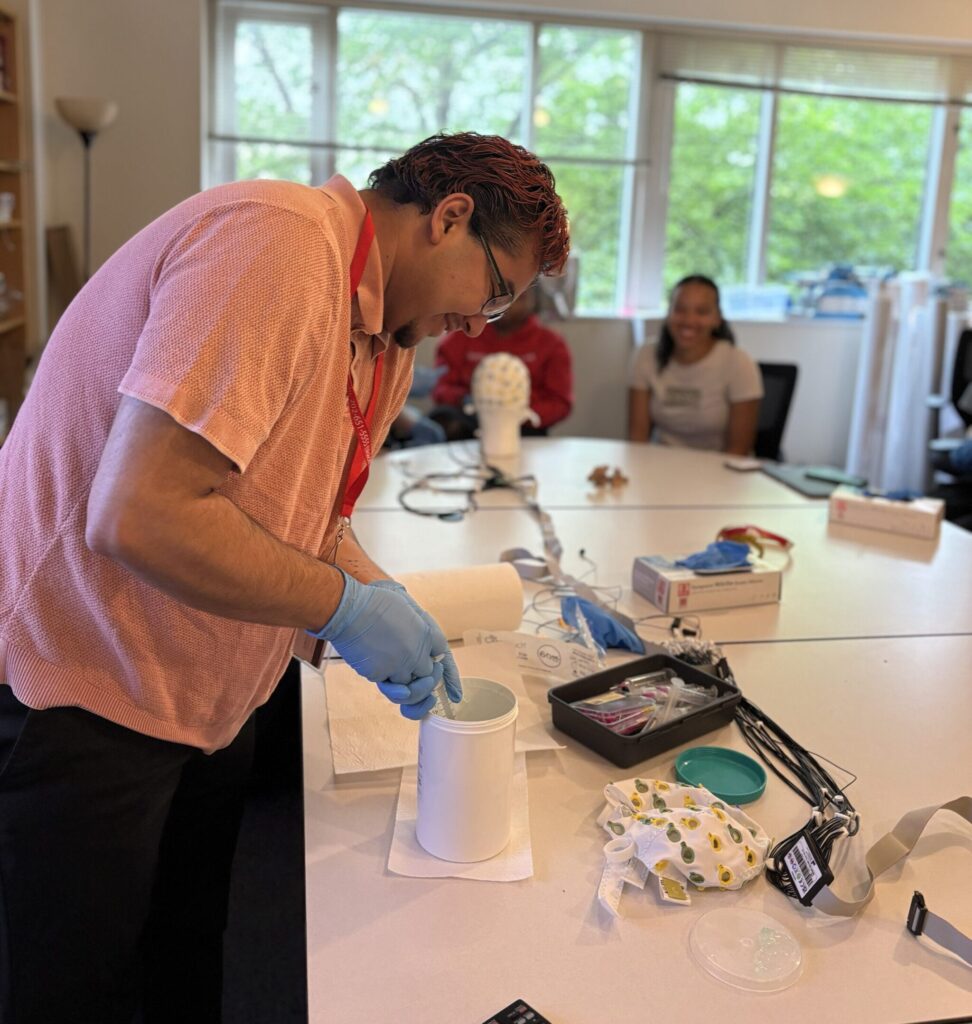
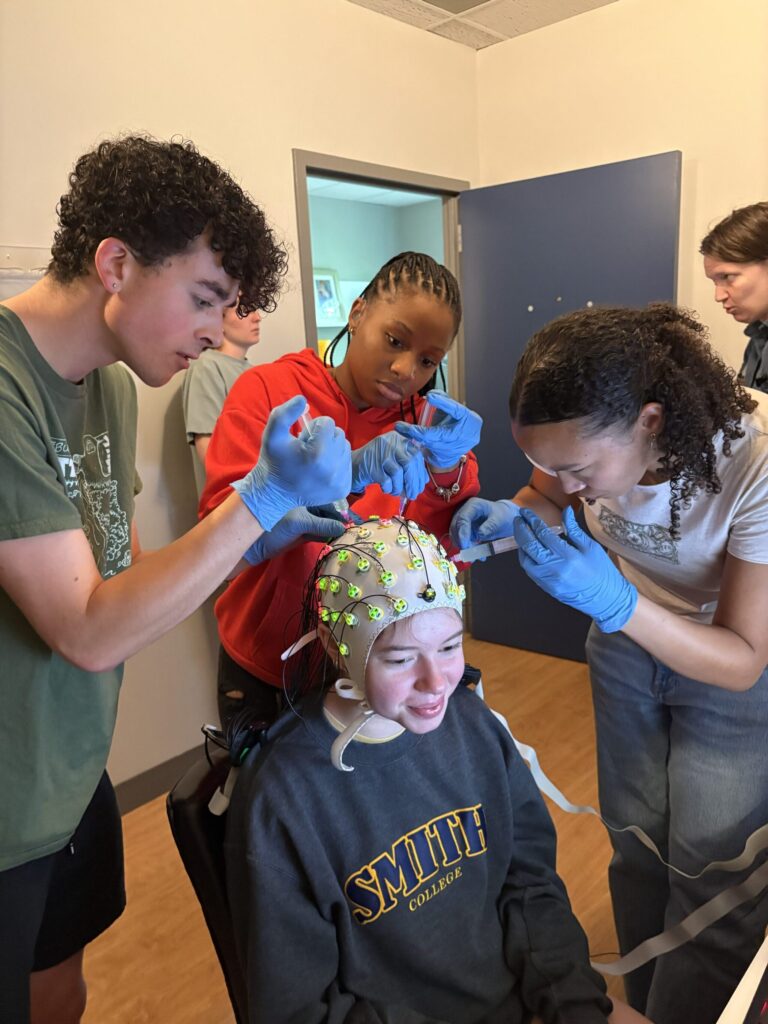
Initially motivated to apply to the CENTRE program by her deep interest in educational and cognitive neuroscience, her summer experience solidified plans to pursue neuroscience as a career. “I loved the program! I had so much fun and got to meet other students who were interested in and passionate about neuroscience,” she says.
A lightbulb moment for University of Virginia student Jasmin Dockery occurred while working with electroencephalogram (EEG) data, which shows electrical activity in the brain. “I had always seen figures and graphs of EEG data, but never understood what they represented and showed. I realized what I was learning was genuinely applicable to my experience in research, and I appreciated my mentor taking the time to make sure my learning went beyond surface level,” she says.
Majoring in Behavioral Neuroscience and minoring in ASL, Dockery says CENTRE brought her interests together in an especially meaningful way.
Pizzie says though the CENTRE program provides an amazing experience for students, there is a mutual benefit. “Having students join our labs for the summer with new perspectives and enthusiasm for neuroscience brings a boost of energy and motivation for faculty and students alike,” she says.
Preparing minds for tomorrow
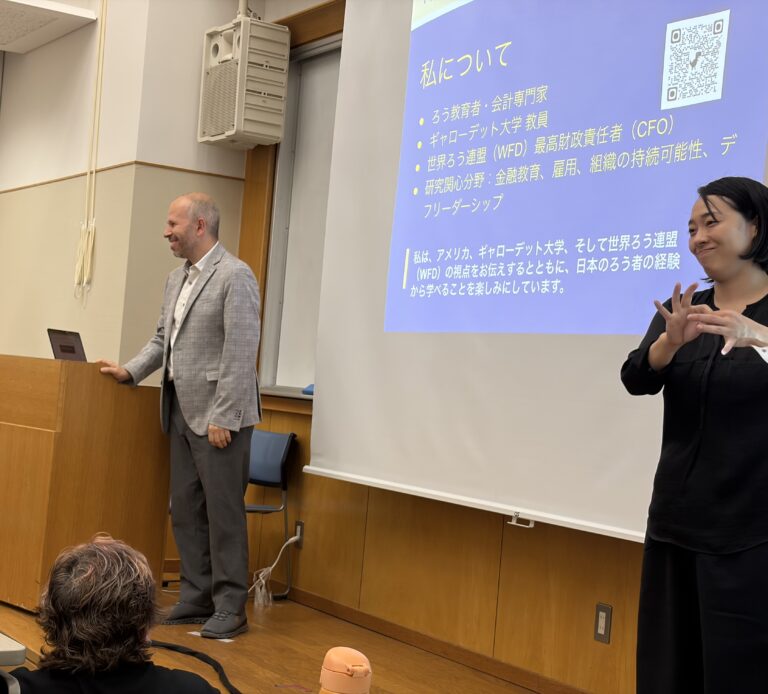
An exciting addition to this year’s program was a Functional Near-infrared Spectroscopy (fNIRS) two-day symposium, hosted by Berteletti and sponsored by NIRx, the leading neuroimaging equipment and software company, which provides cutting-edge training and technical support. At the preconference, the REU attendees collected and analyzed fNIRS data. During the event, they learned from other young scientists and from two presenters, Dr. Rachel Romeo and Dr. Anjana Bhat, who apply the technology in their own research. PEN students Deanna Dunlop and Laine Silerman also presented their fNIRS projects, providing direct insight into what REU students can expect to do as future graduate students.
A main goal of CENTRE is to expose undergraduates to research, in hopes that the spark fuels future interest. “This year, we again welcomed an amazing group of future scholars. I can’t wait to see what they will do as they continue to hone their interest in science and research,” says Berteletti.
This certainly resonated with Tate, who says, “I would like to stay involved in research throughout my career. It helped me realize that research can directly improve access, communication, and quality of life for Deaf and hard of hearing individuals.”
The application cycle for the next CENTRE REU program opens this winter. For deeper dives, take a look at Gallaudet’s Certificate in Educational Neuroscience (CEN) program or the PhD in Educational Neuroscience (PEN) Program.
CENTRE is funded by a grant to Drs. Berteletti and Pizzie from the National Science Foundation’s Research Experiences for Undergraduates (NSF-REU) program.