


Human Diversity & Our Shared Future
The Future of Gene Editing
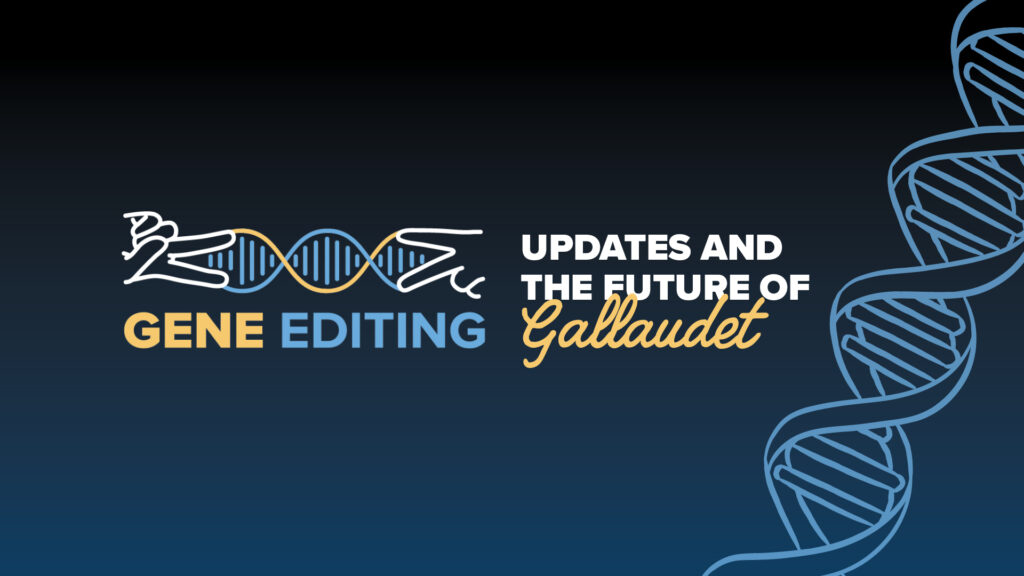

Exploring what advances in gene editing mean for Deaf people, the value of human difference, and our shared future.
Gene editing is advancing rapidly, creating new possibilities while raising profound questions about identity, choice, ethics, and which ways of being human will be valued in the future. Gallaudet University is bringing Deaf perspectives, scholarship, and lived experience into this global conversation.
GENE EDITING: Will it go beyond Deaf genes? Who gets to decide? Edit out a gene, are you still the same person? What problems are we solving humanity-wise? What policy, local and international, will all this translate into? What kind of humanity do we want to create?
Our Position
Gallaudet Statement on Human Diversity and Gene Editing
As advances in gene editing reshape what may be possible, Gallaudet calls for Deaf people to be central to the decisions that will shape their future. Our position affirms the contributions of Deaf people and signed languages, the value of human difference, and the right of individuals and families to make informed choices.
Read the Full Statement
Read Gallaudet’s complete position statement in the attached PDF.
Gallaudet Gene Editing Think Tank

Professor of Philosophy

Derek Braun, ’95
Professor of Biology and Molecular Geneticist
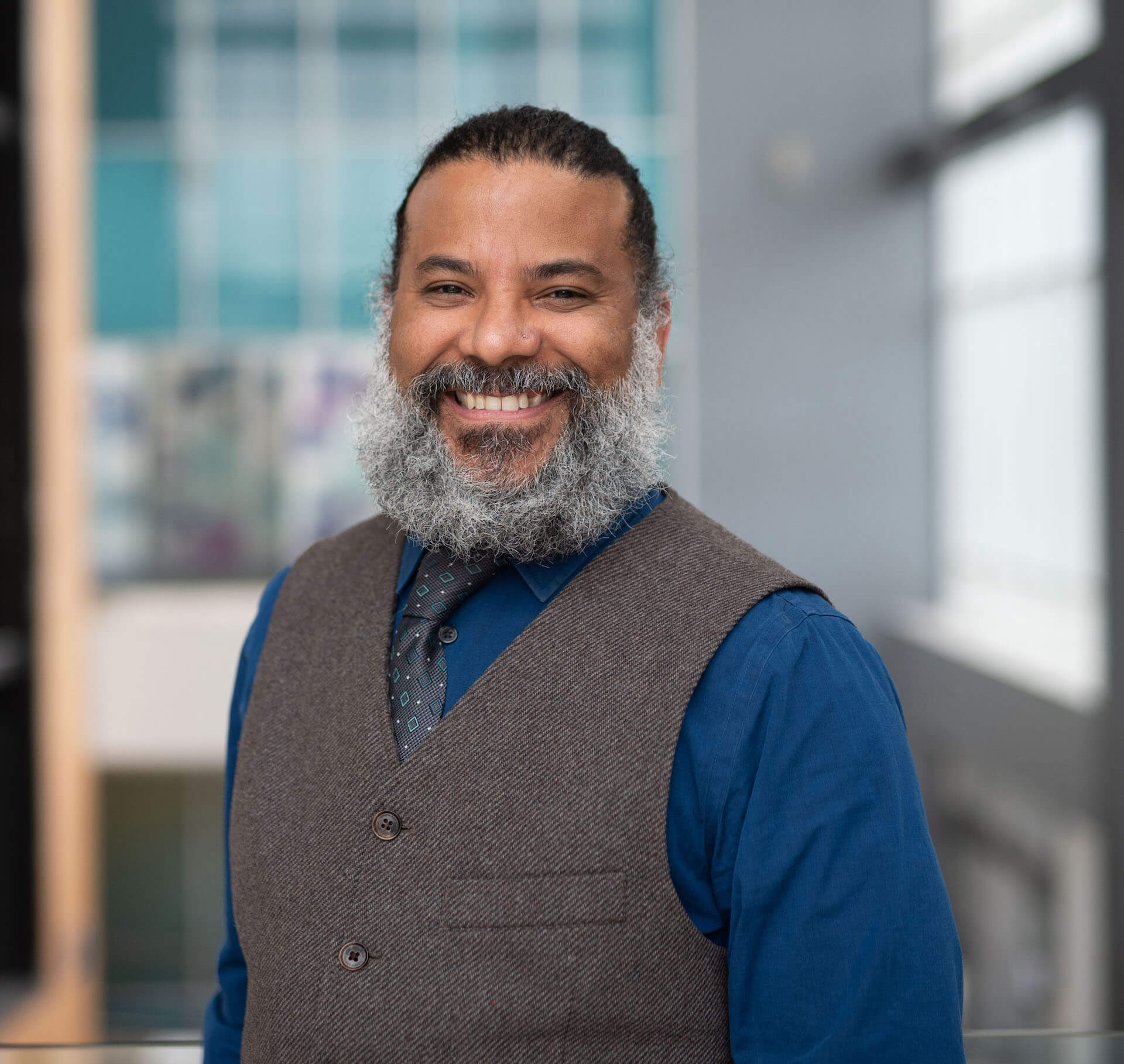
Jeremy L. Brunson
Executive Director, Belonging and Engagement

Cultural Theorist and Strategist


Strategic Research Officer
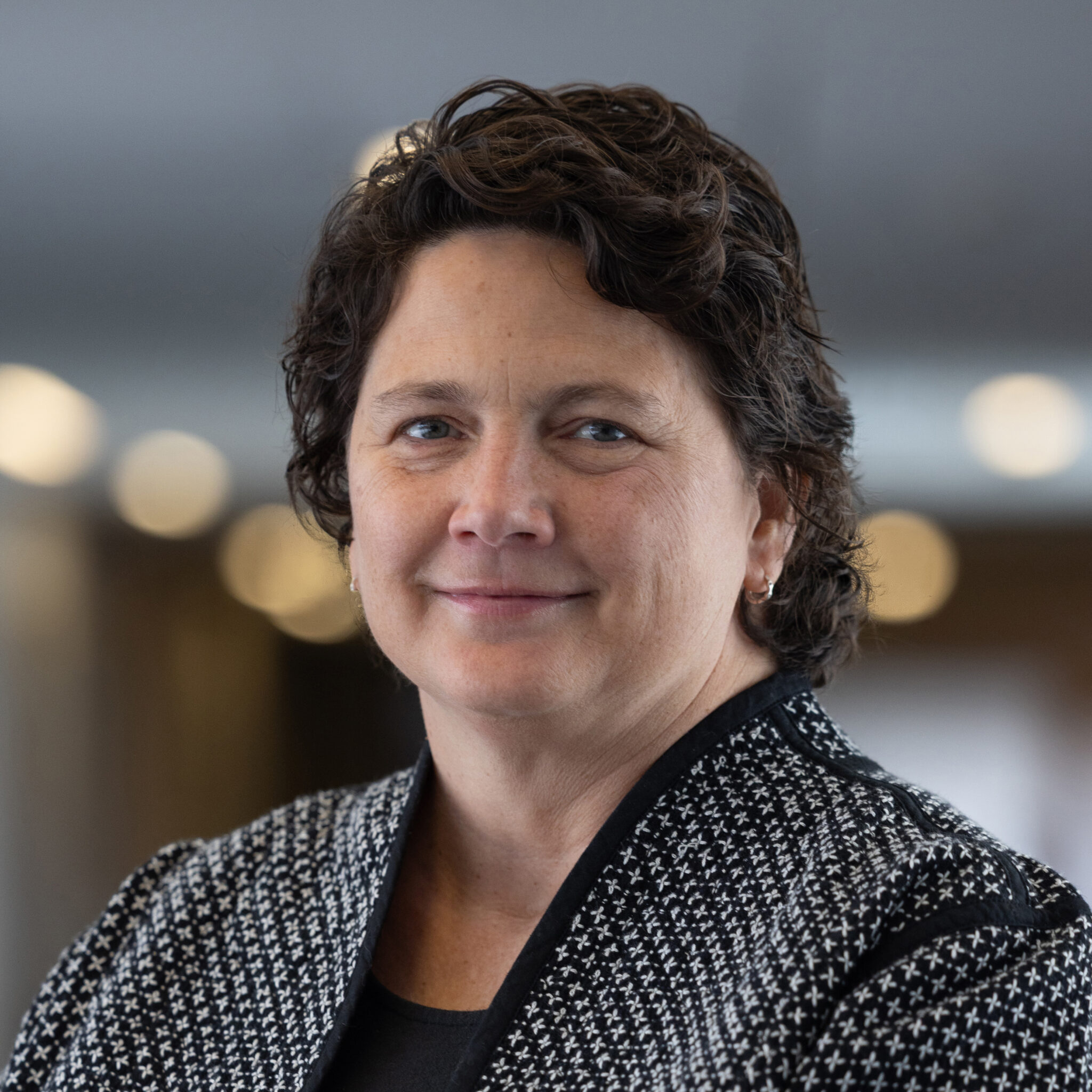
Government Affairs Manager

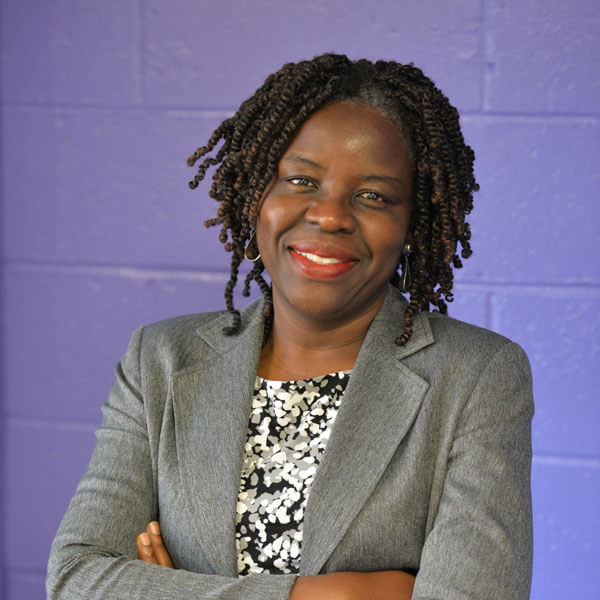
Khadijat Rashid, ’90
Provost
News
President Cordano Shares Gallaudet’s Position on Gene Editing, Gene Therapy, and Human Diversity
Nov 10, 2026
Explore Gallaudet University’s cutting-edge research on gene editing, its implications, and advancements in biotechnology. Discover the future of genetic science!
Read MoreAs gene therapy advances, our values remain clear
Apr 24, 2026
Explore Gallaudet University’s cutting-edge research on gene editing, its implications, and advancements in biotechnology. Discover the future of genetic science!
Read MoreQ&A with Fulbright Distinguished Scholar, Dr. Teresa Blankmeyer Burke
Dec 11, 2025
Explore Gallaudet University’s cutting-edge research on gene editing, its implications, and advancements in biotechnology. Discover the future of genetic science!
Read MoreFaculty experts in biology, philosophy, and history consider what gene editing means for deaf people
May 03, 2024
Explore Gallaudet University’s cutting-edge research on gene editing, its implications, and advancements in biotechnology. Discover the future of genetic science!
Read MoreBioethicist Teresa Blankmeyer Burke sought out for her views on gene therapy
Feb 08, 2024
Explore Gallaudet University’s cutting-edge research on gene editing, its implications, and advancements in biotechnology. Discover the future of genetic science!
Read MoreFrequently asked questions
Gene therapy and gene editing are moving from laboratories into clinics, and deafness is where much of that work began. Gallaudet is sharing its position on these technologies, introducing the Gene Editing Think Tank, and will be posting updates, research, and ways for the community to take part on its website. Content will be published to this webpage in ASL, with English text and captions.
Gallaudet was chartered in 1864 to serve Deaf people. As the world’s only liberal arts university for Deaf and hard of hearing students, Gallaudet is well placed to help think through what these technologies mean for Deaf people and for human diversity. The work began publicly with the April 2024 panel, “Are we an endangered species?” It continued in 2026 with conversations among trustees, students, faculty, and staff.
In April 2026, the U.S. Food and Drug Administration approved the first gene therapy for a hereditary form of deafness. It targets changes in the OTOF gene, which are found in about 50 newborns in the United States each year. In August 2026, the first child was treated in a clinical trial for GJB2, also known as Connexin 26, the most common genetic cause of deafness in North America and Europe. The decisions being made now will shape everything that follows.
Gene therapy, including the approved OTOF treatment and the current GJB2 trials, delivers a working copy of a gene to cells in the inner ear. It does not change a person’s DNA and is not passed on to their children. Gene editing changes the DNA itself. When done in embryos, those changes are passed down to future generations. That kind of editing is not currently permitted in clinical use in the United States or many other countries.
No. Gallaudet’s statement says these technologies may bring important medical benefits. It also asks an important question: who gets to decide? Gallaudet affirms that Deaf lives are not deficits to be corrected, and that Deaf people must be at the center of decisions about their future.
Gallaudet believes that Deaf people are an essential part of human diversity and bring unique value to society. Decisions about the future of Deaf people must be shaped and led by Deaf people. Watch the position statement in ASL and read the full text at gallaudet.edu/gene-editing.
Gallaudet commits to:
- Leading national and global conversations about gene editing, gene therapy, and human diversity
- Advancing knowledge through research, education, and public engagement
- Ensuring Deaf leadership in decisions that affect Deaf lives
- Continuing to uphold the value of human diversity, particularly Deaf people, signed languages, cultures, and knowledge
Deaf Gain is a concept developed by Gallaudet professors H-Dirksen Bauman and Joseph Murray. Where “hearing loss” describes what is missing, Deaf Gain describes what is gained: the cognitive, creative, and cultural contributions that come from Deaf ways of being in the world, from how signed languages shape the brain to how DeafSpace design works better for everyone. The position statement says Deaf languages, cultures, and knowledge benefit everyone. Deaf Gain shows how. Explore the five-part video series at gallaudet.edu/deaf-gain.
The Think Tank brings together Gallaudet faculty and leaders with expertise in genetics, philosophy, history, research, policy, and communications. It guides Gallaudet’s work on gene editing, gene therapy, and human diversity.
No. Deaf people hold a wide range of views on gene therapy. Some see it as a welcome option, and others see it as a threat to Deaf communities and signed languages. Conversations at Gallaudet in 2026 reflected that range. That is why this work begins with listening, with Deaf people and organizations in the United States and around the world.
Yes. Gallaudet’s community includes people who use cochlear implants, hearing aids, spoken language, and signed language, in every combination. The statement envisions a future where individual choice is respected.
Gallaudet will open a nationwide survey on gene editing, gene therapy, and Deaf lives. The date will be announced soon. Organizations interested in working with Gallaudet can contact gene.editing@gallaudet.edu.
No. Gallaudet respects every family’s right to make informed choices. Families often hear only the medical side of the picture. A full picture includes knowing that Deaf children thrive, that signed language gives a child full access to language from the start, and that Deaf adults and communities are there to welcome your family. Whatever you decide, early access to language matters most.
The Laurent Clerc National Deaf Education Center offers resources for families of Deaf and hard of hearing children at these two websites: Deaf Education Connections and Early Intervention.
Most hereditary deafness, including the forms current gene therapies target, causes no pain, no degeneration, and no shortened life. Deaf people have built languages, communities, art, and scholarship across centuries and cultures. Gallaudet understands being Deaf as part of human diversity. Medicine has a place in Deaf lives, as it does in everyone’s. The concern is when the medical description is the only one families hear.
The tools and approval pathways built for hereditary deafness are not specific to deafness. Approval processes, clinical practices, insurance coverage, and genetic counseling can all be pointed at other traits. Disability communities, reproductive justice scholars, and others are asking the same question Deaf people are asking: who decides which human differences are worth keeping?
Because the pattern is documented. In 1880, an international congress of educators voted to remove signed languages from Deaf schools, and the effects lasted nearly a century. In the early 1900s, about 30 U.S. states passed sterilization laws, and Nazi Germany sterilized thousands of Deaf people. Each effort was described as being for Deaf people’s benefit. Gallaudet does not equate today’s researchers with those of the past. It asks that this history inform how new tools are governed.
The genes involved in hereditary deafness, GJB2 especially, are among the most common variations in human DNA. What is lost if those variations are steadily removed, in genetic terms and in the languages and cultures Deaf communities carry, has not been studied. Gallaudet intends to help ask those questions through research.
All inquiries may be sent to gene.editing@gallaudet.edu.

What the World Gains from Deaf People and Signed Languages
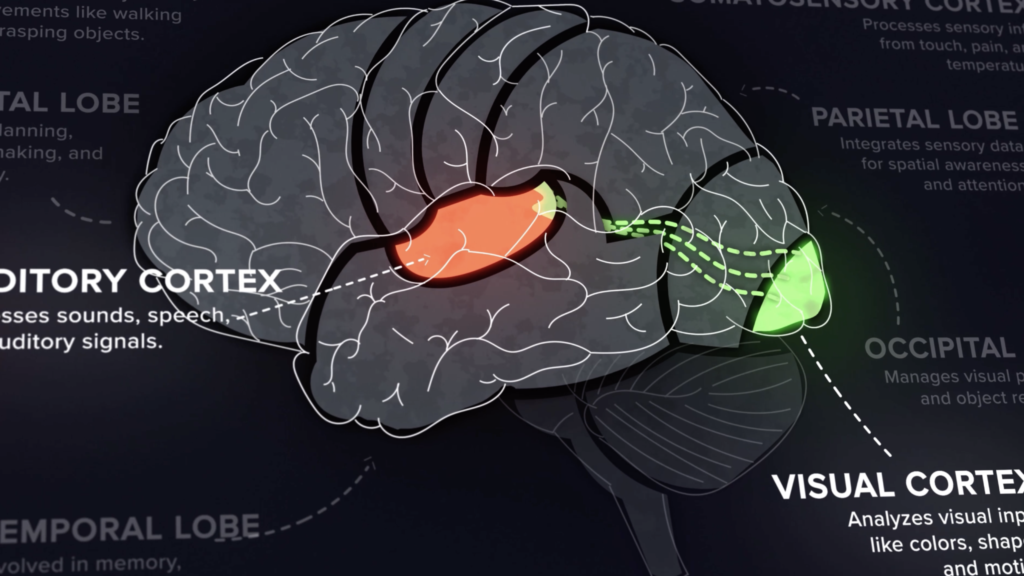
Deaf Gain shifts the focus from hearing loss to the insight, creativity, and innovation that Deaf people and signed languages contribute to the world.
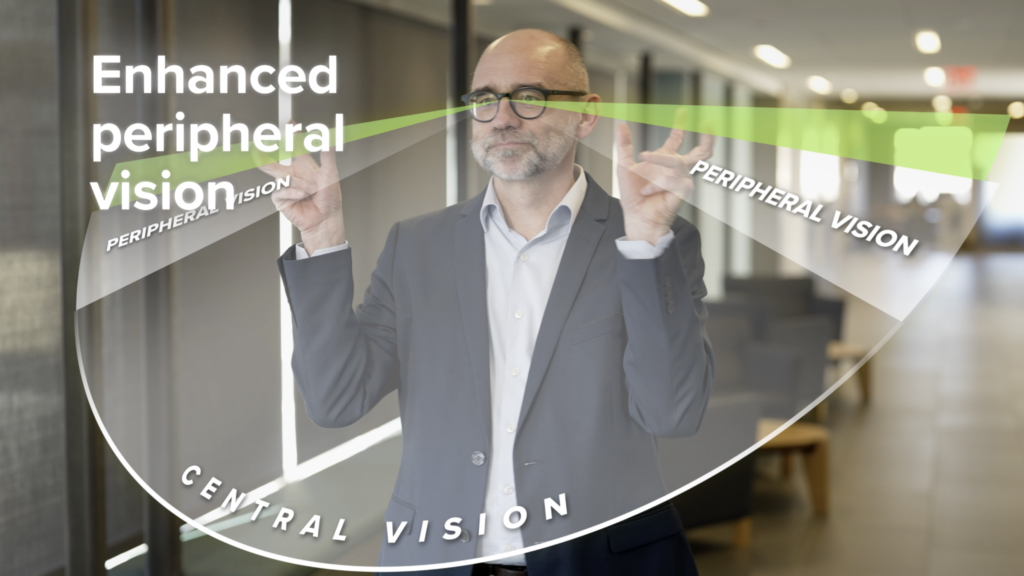
Visual language experiences shape the brain in distinctive ways, strengthening visual awareness, spatial processing, attention, memory, and conceptual thinking.

Is hearing always an advantage? This section examines how sound-heavy environments can affect health, learning, stress, and quality of life.

Human societies become stronger when they value different languages, cultures, abilities, minds, and experiences. Deaf Gain is ultimately human gain.